











Clambake shells out meals, nearly 100 years of tradition
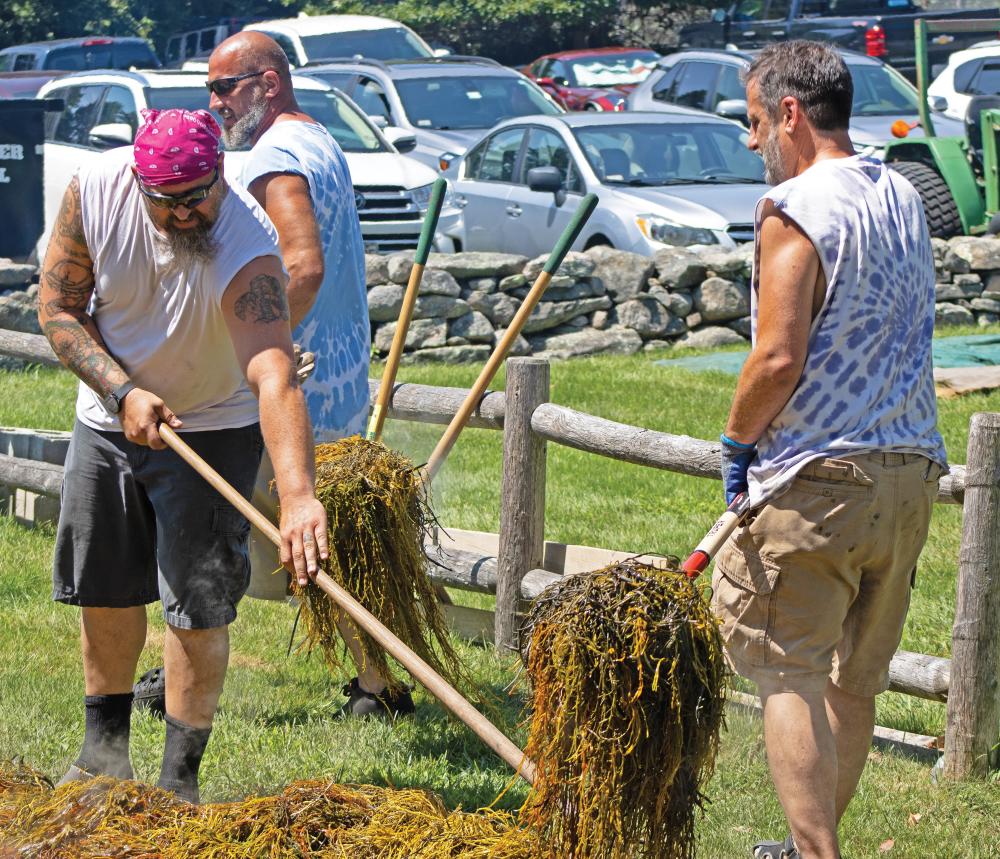 Shoveling the seaweed away. Photos by Abby Van Selous
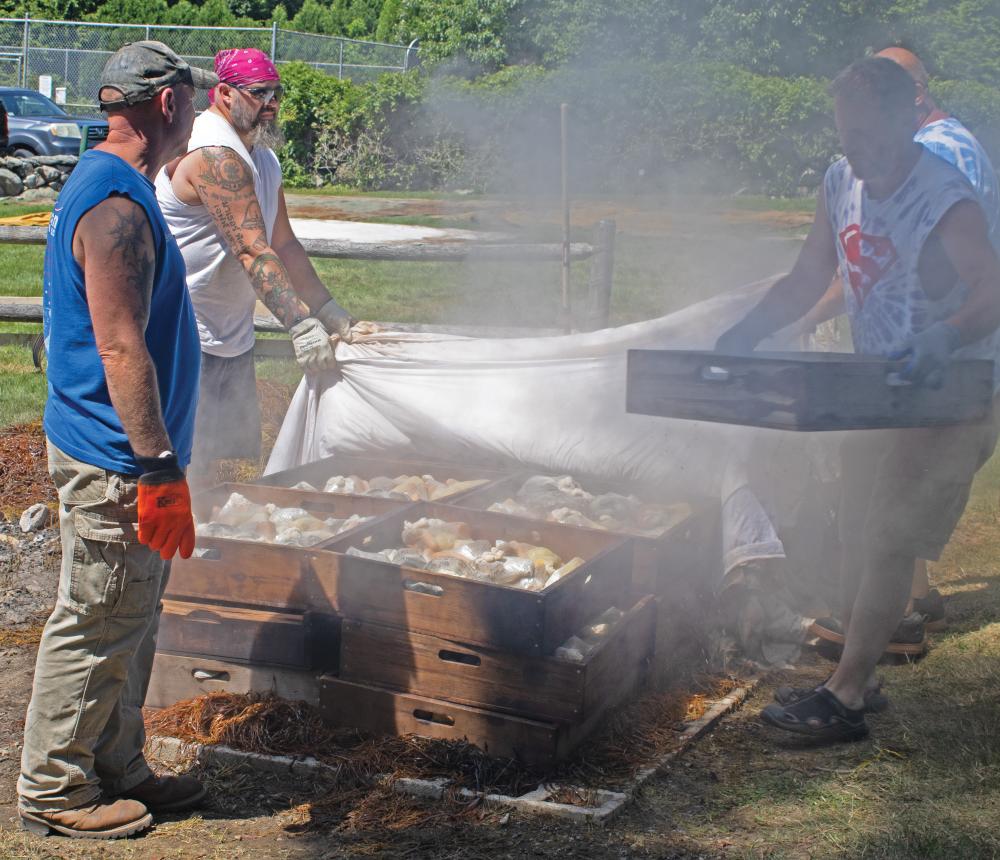 Trays of food beneath the tarps are revealed.
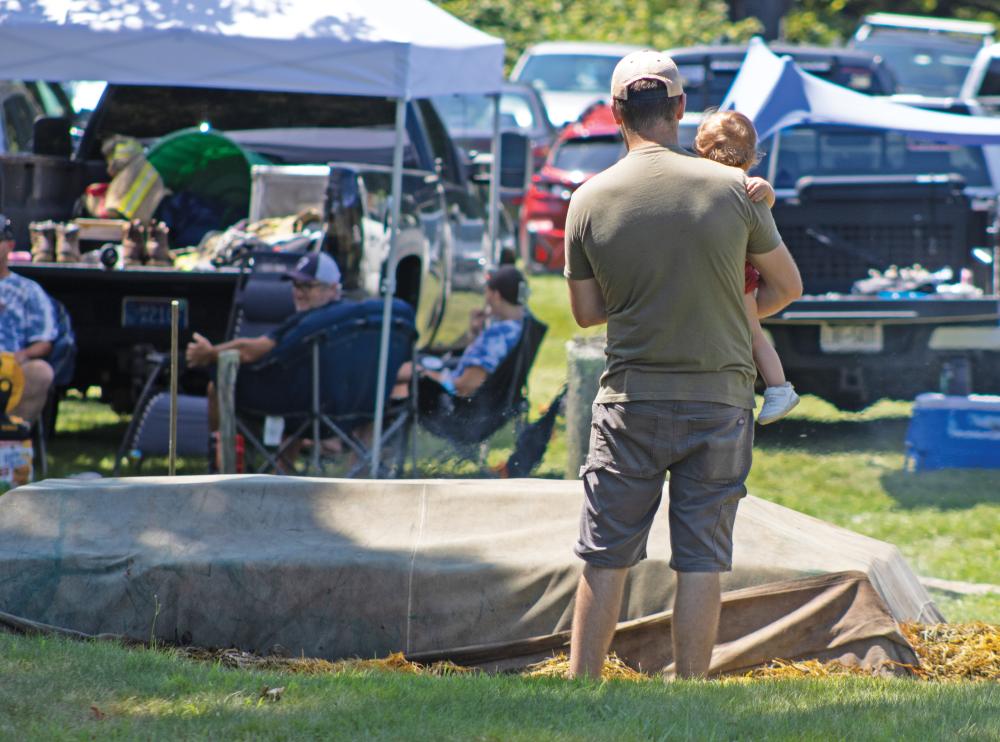 A man and his child look at the pit where the food cooks.
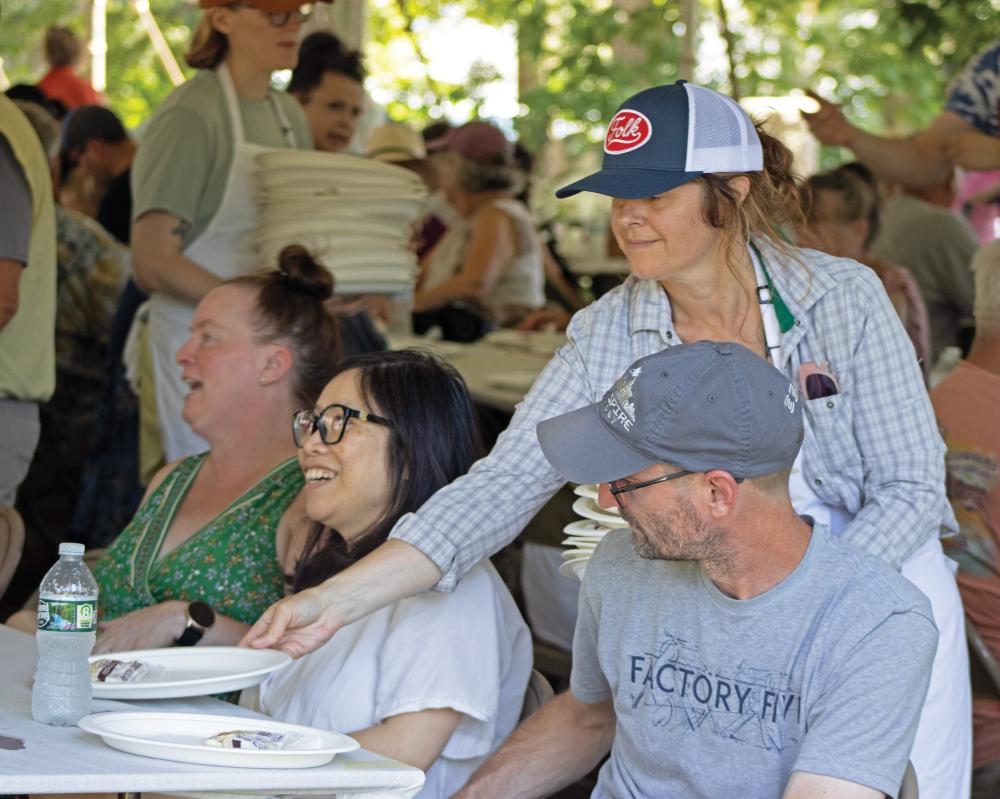 Dishing out plates in preparation of the food.
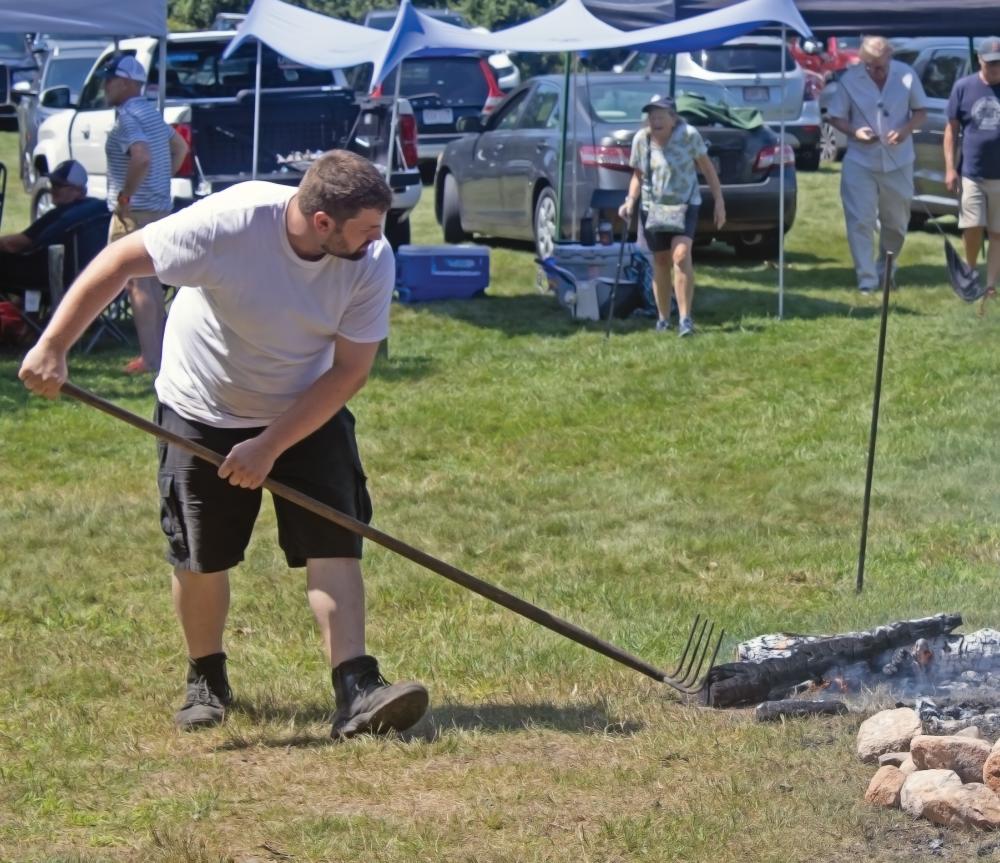 Ryan Gauvin takes a pitchfork to the burning pile of wood.
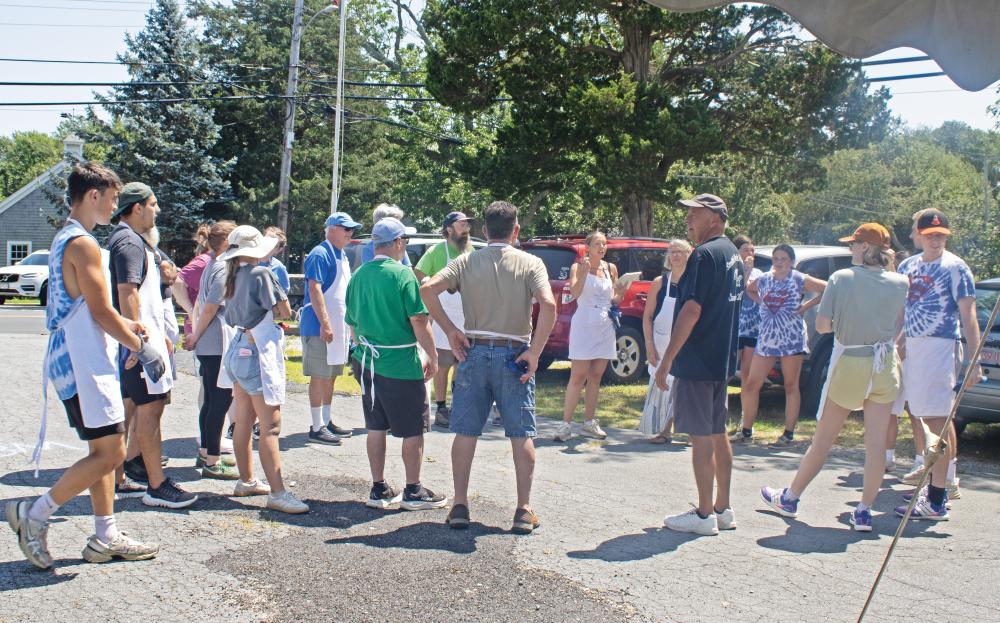 Volunteers gather together to strategize how to tackle serving the food to guests.
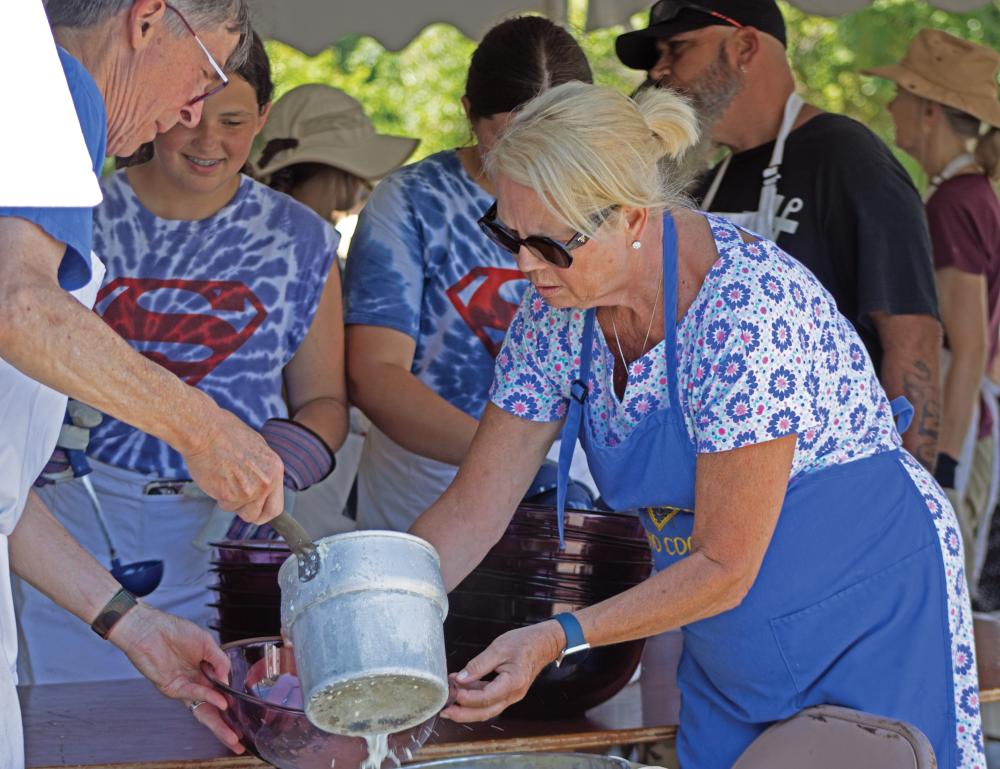 Pouring chowder into a bowl to serve to guests.
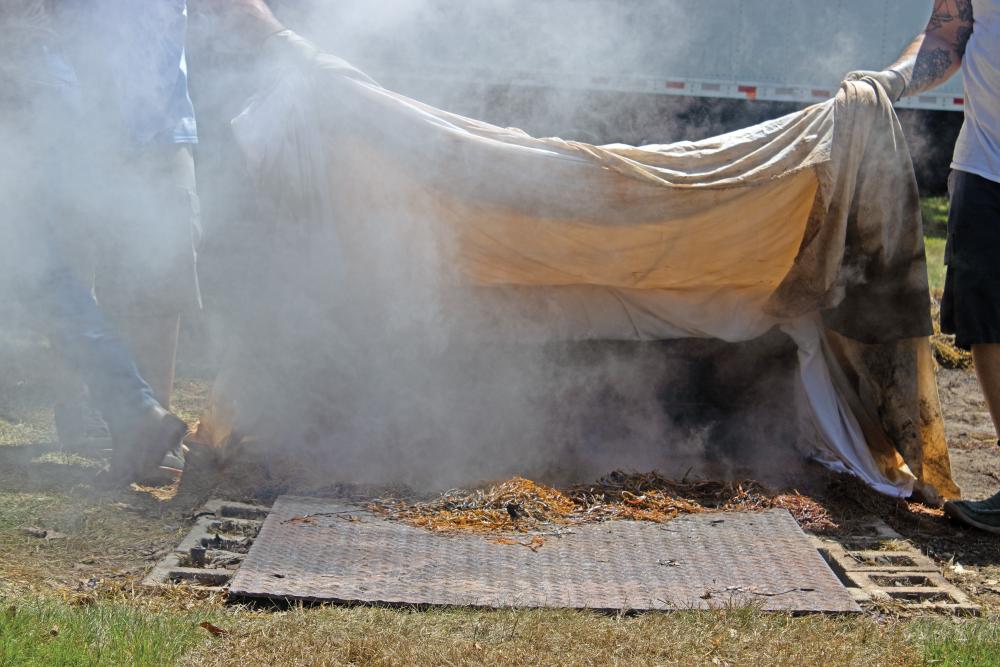 Steam billows out from beneath the tarp.
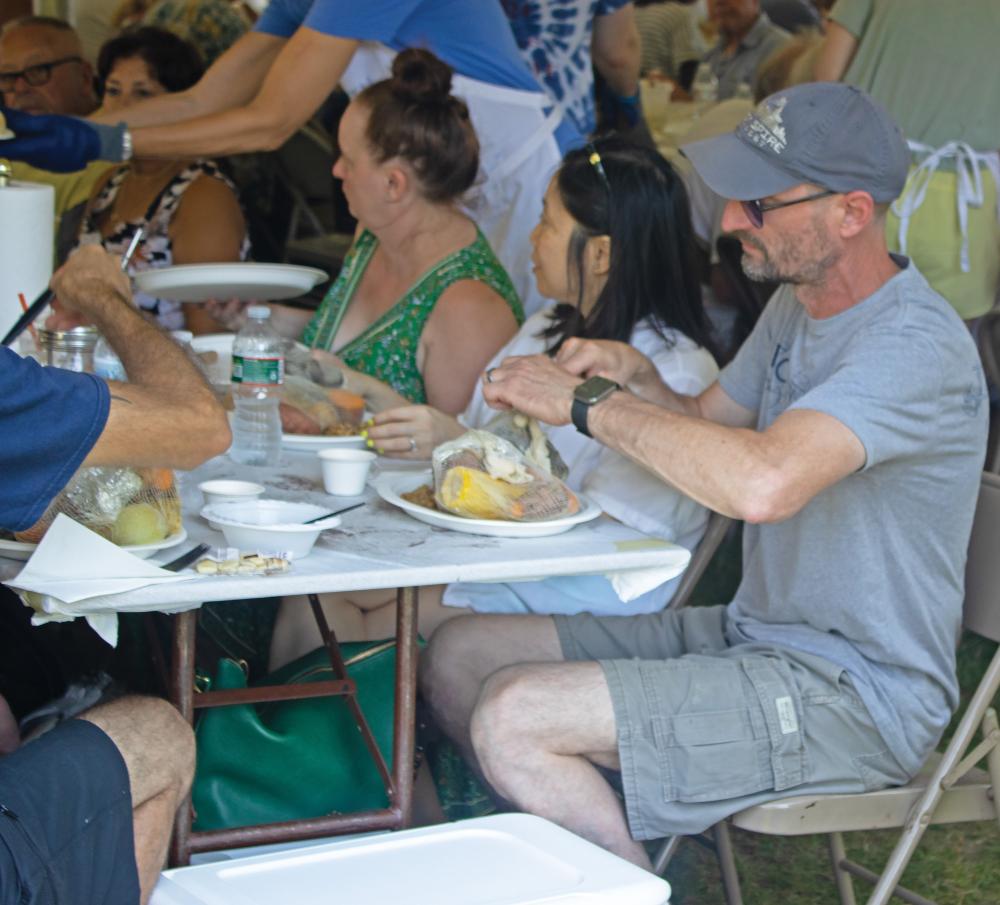
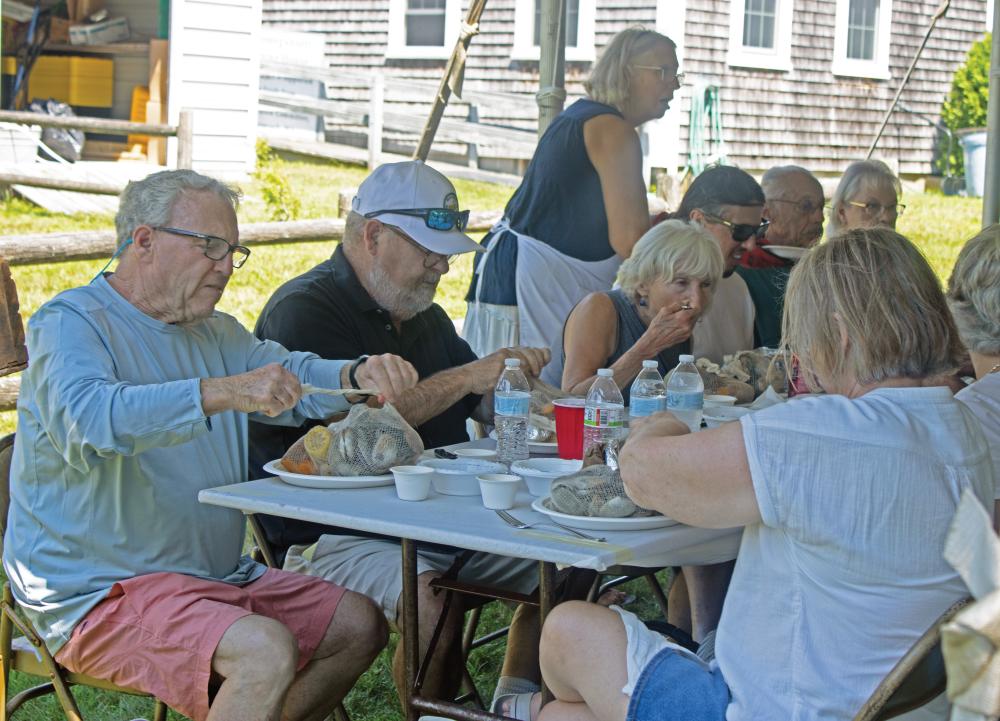 Guests begin eating their food.
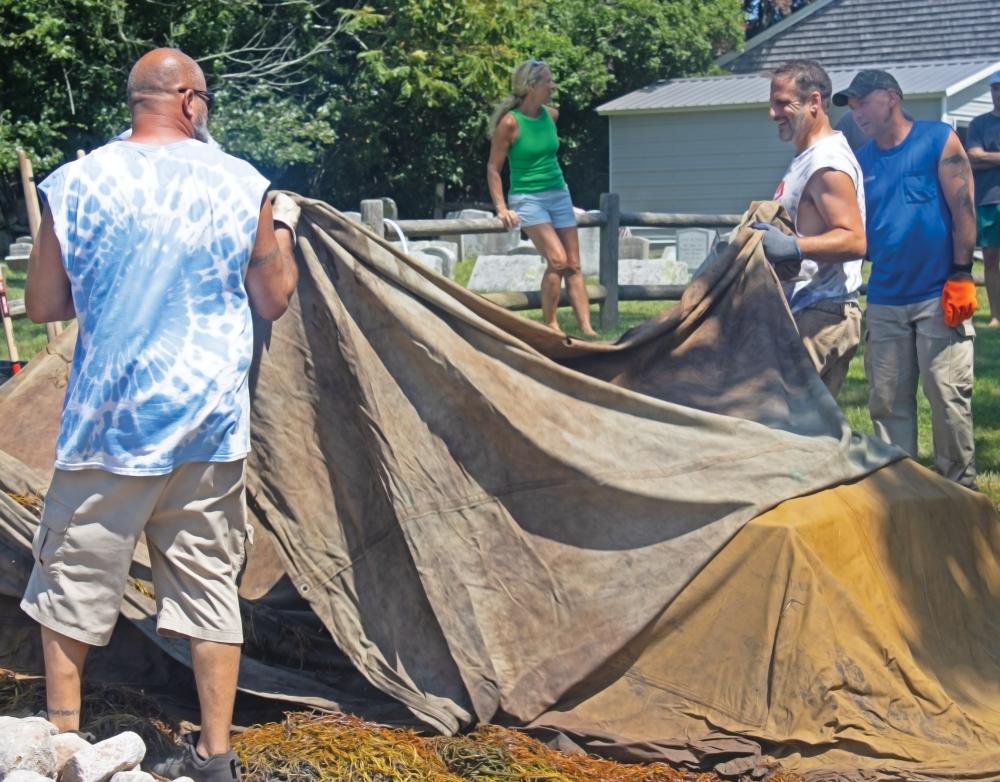 Removing one of the tarp layers.
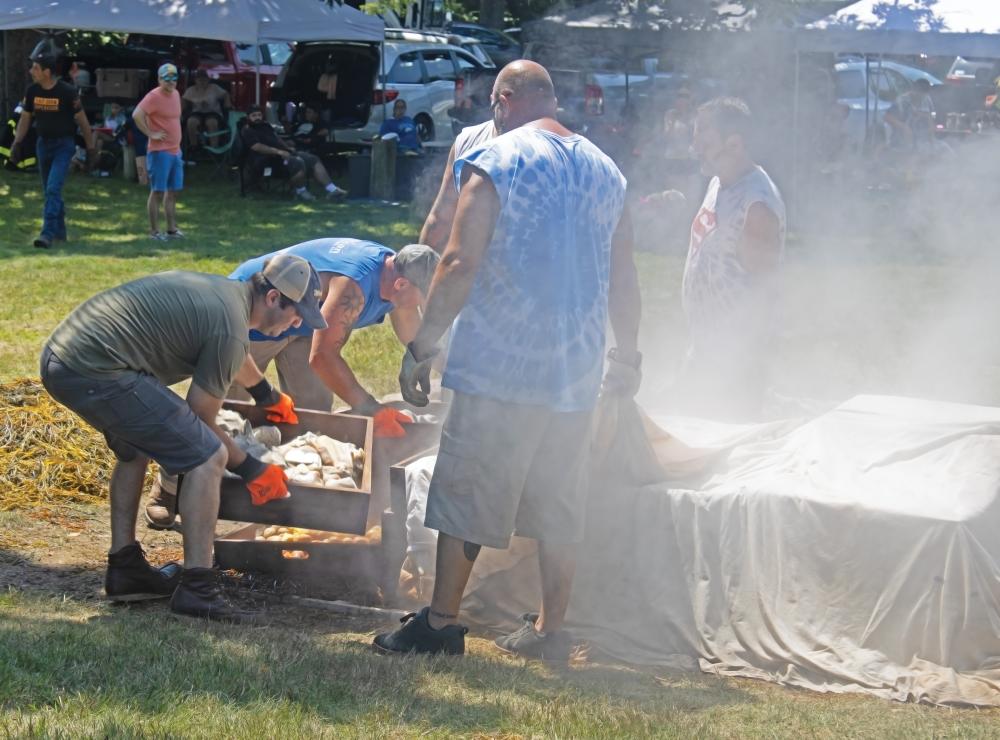 Grabbing several trays from the pit ready to be served.
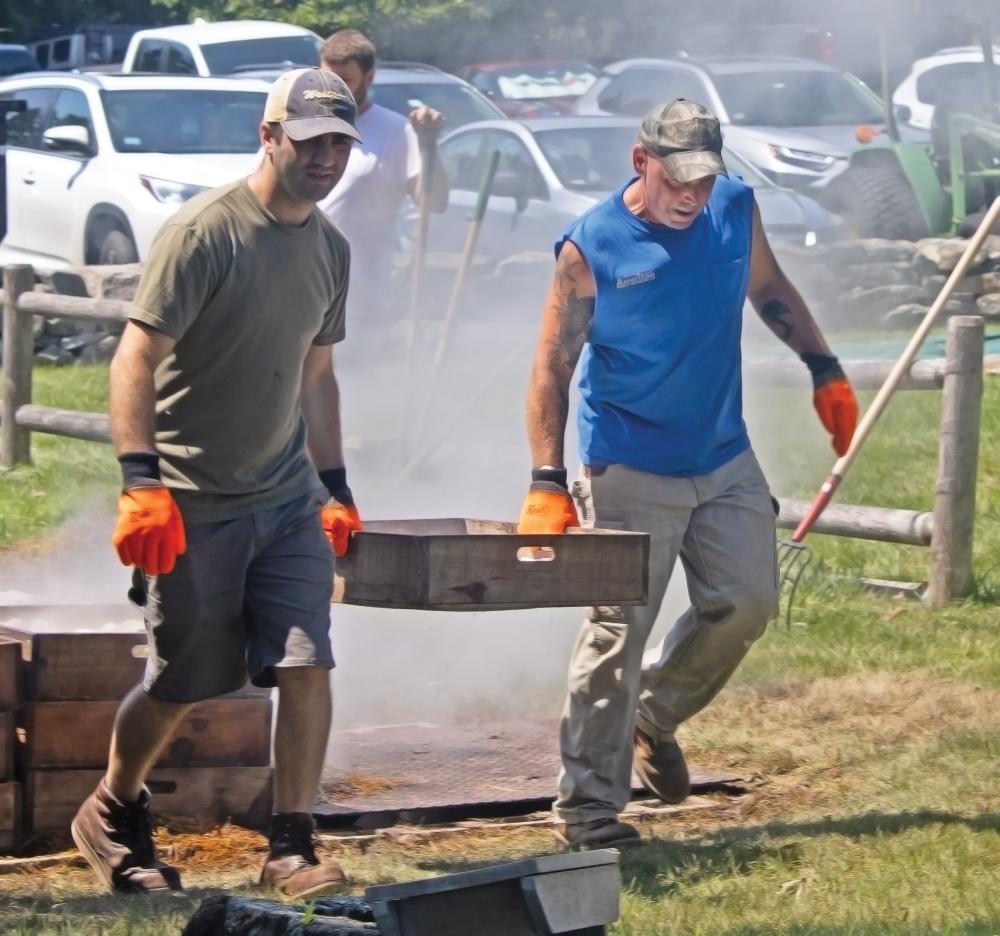
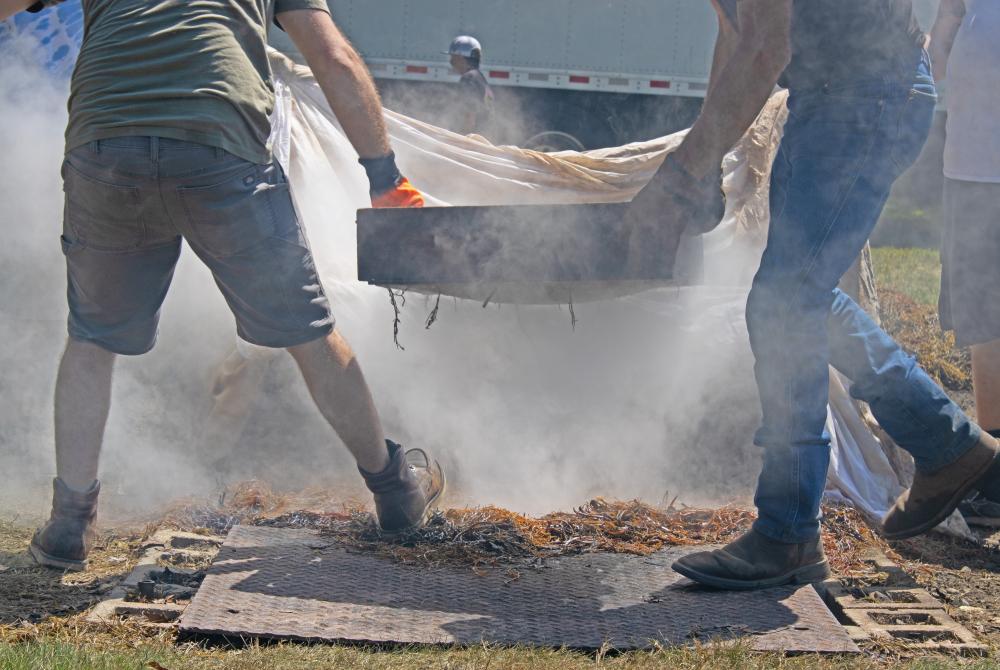 Two men carry a tray of food together.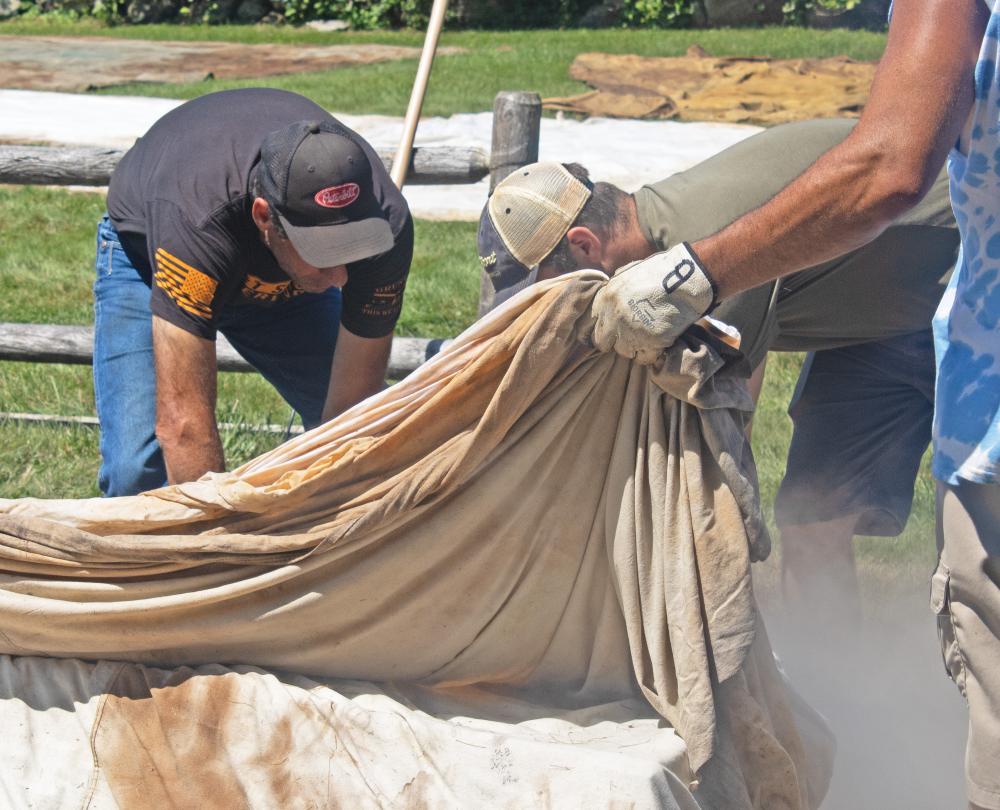
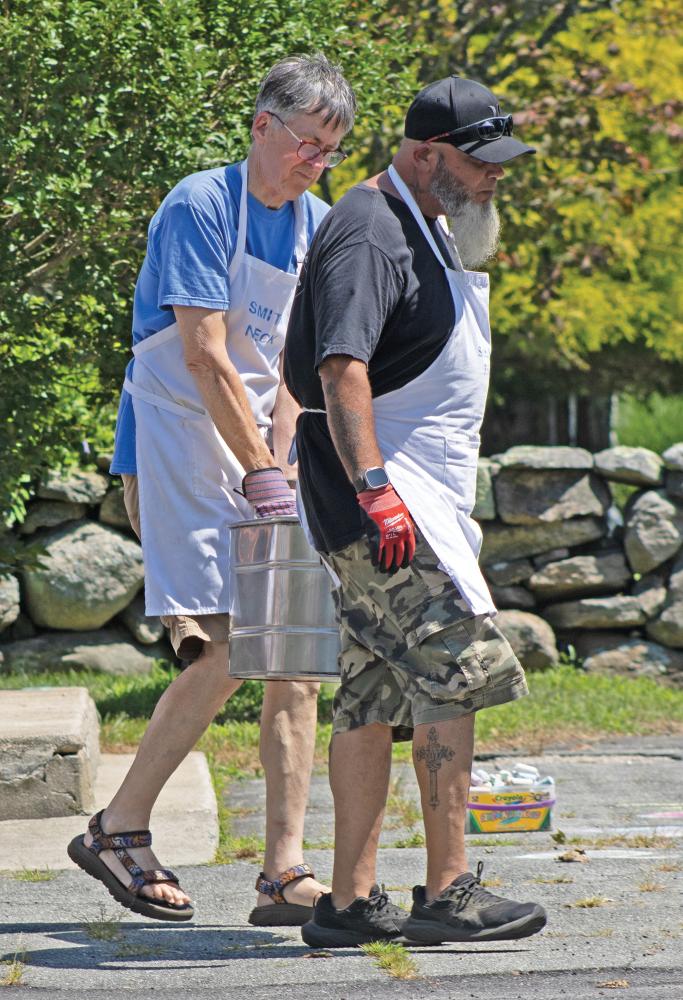 Bringing out the chowder.
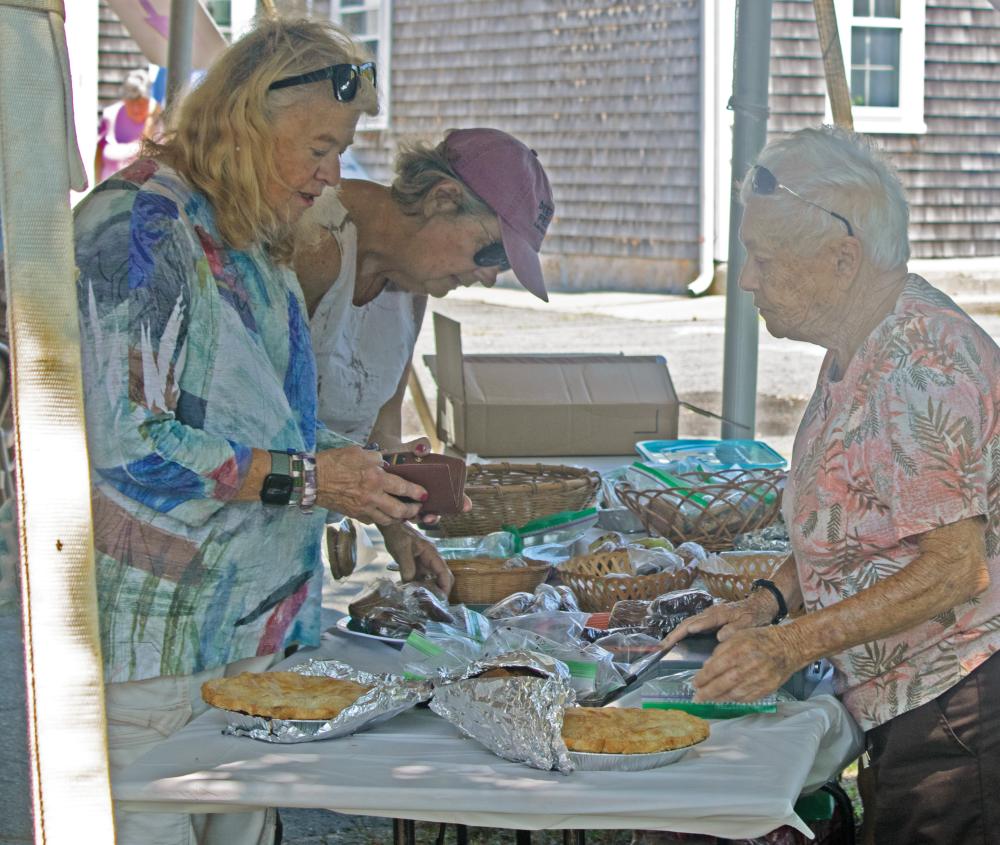 Visitors buy some treats at the bake sale.
 The food cooked for around two hours.
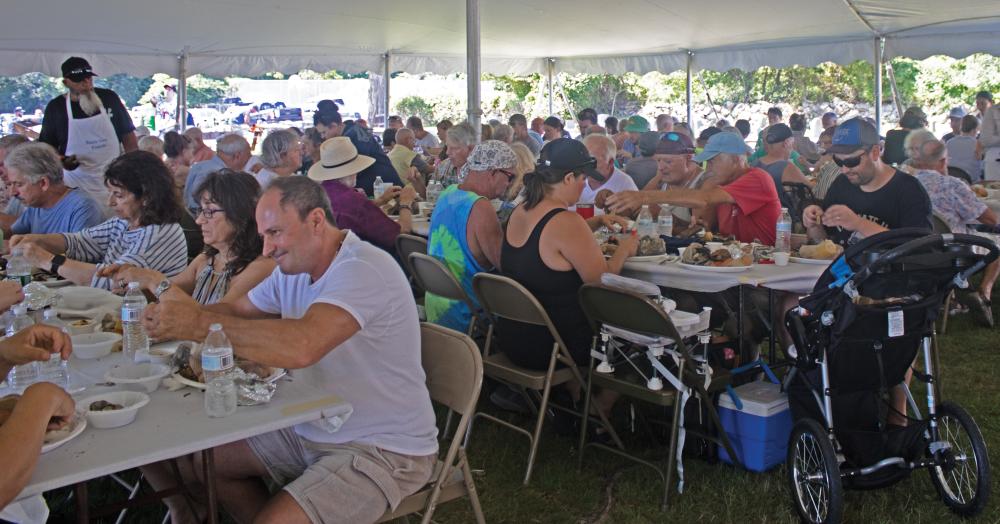 Around 200 people attended the clambake.
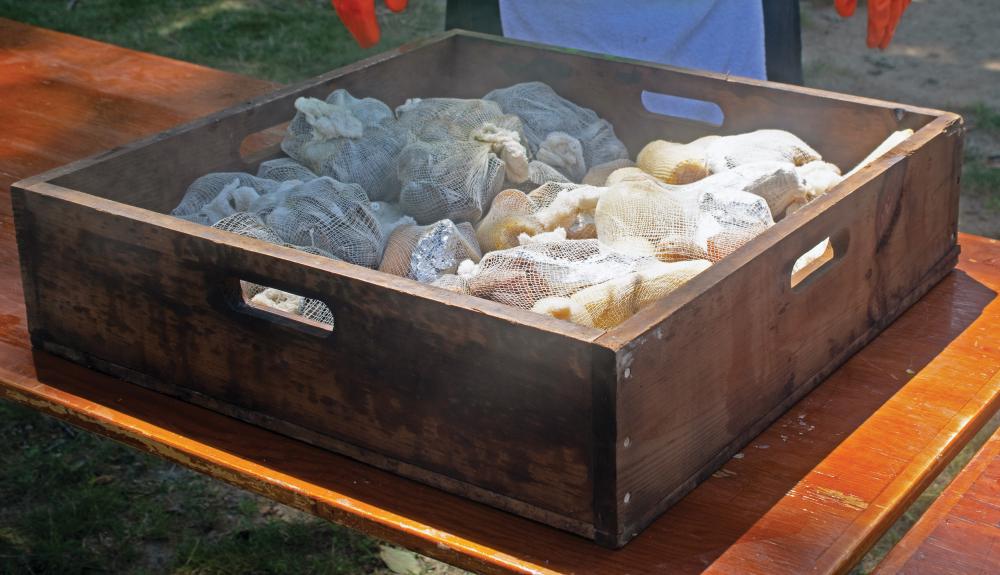 A tray of food just taken out from under the tarp.
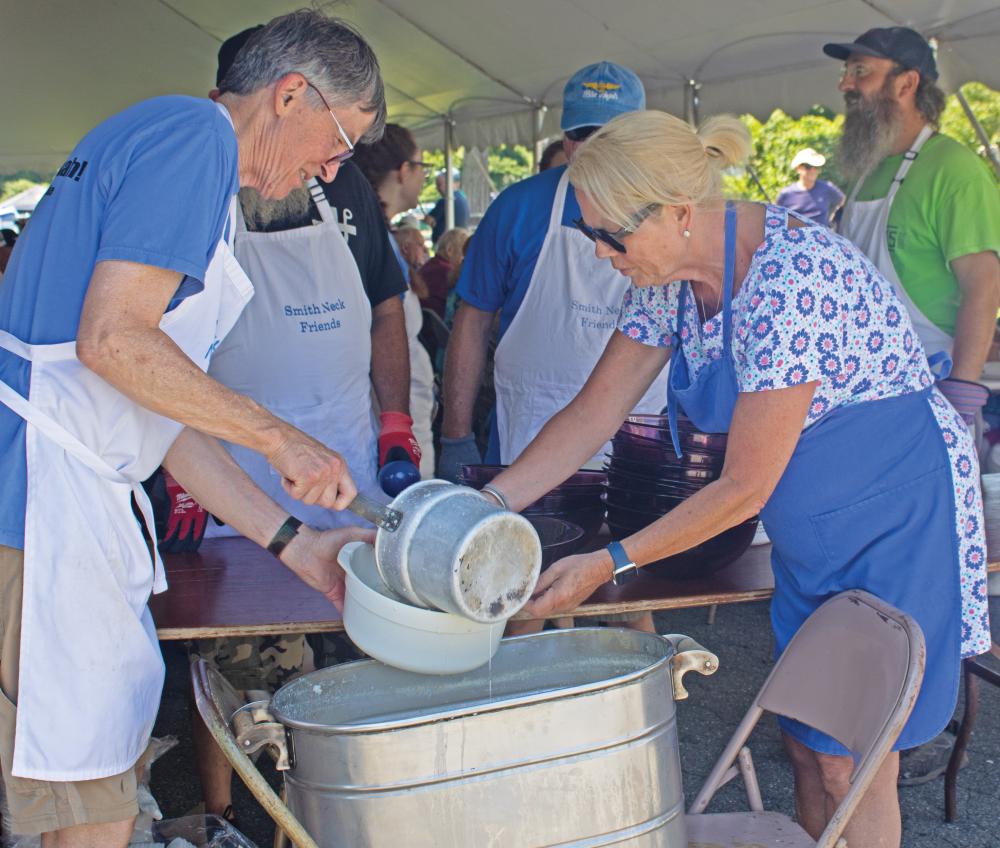 Volunteers line up for bowls of chowder.
 Volunteers carry a tray of food to a table.
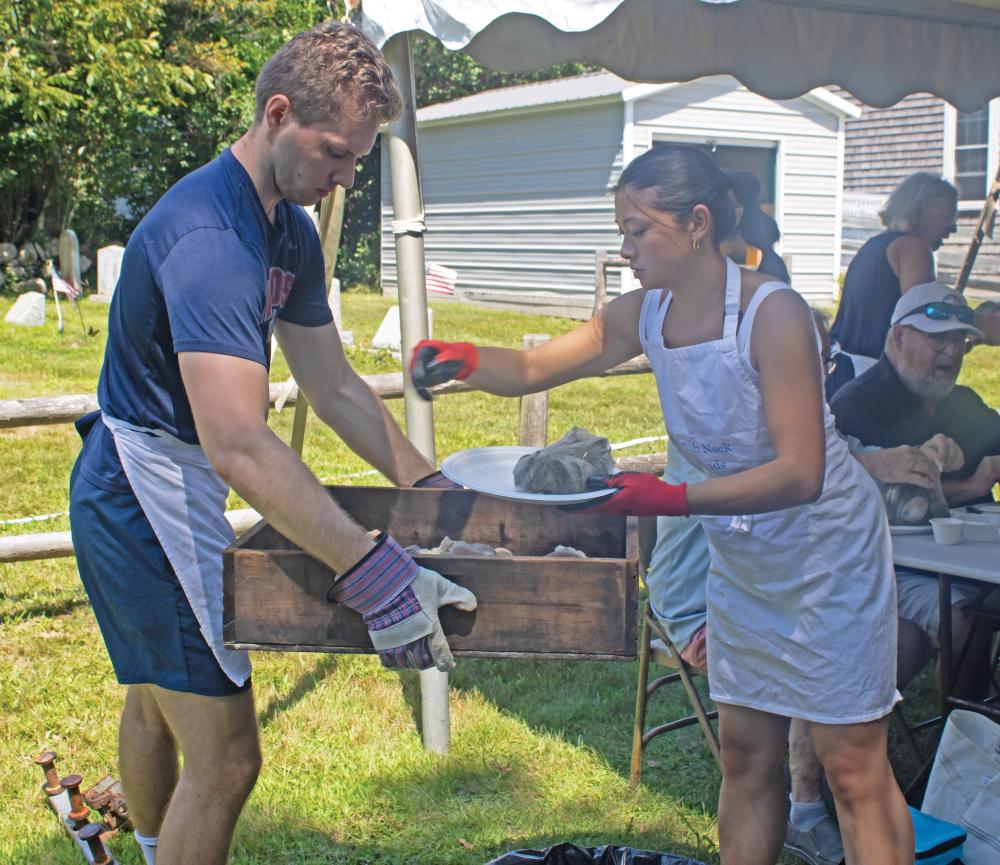 Two volunteers work together to distribute the food.
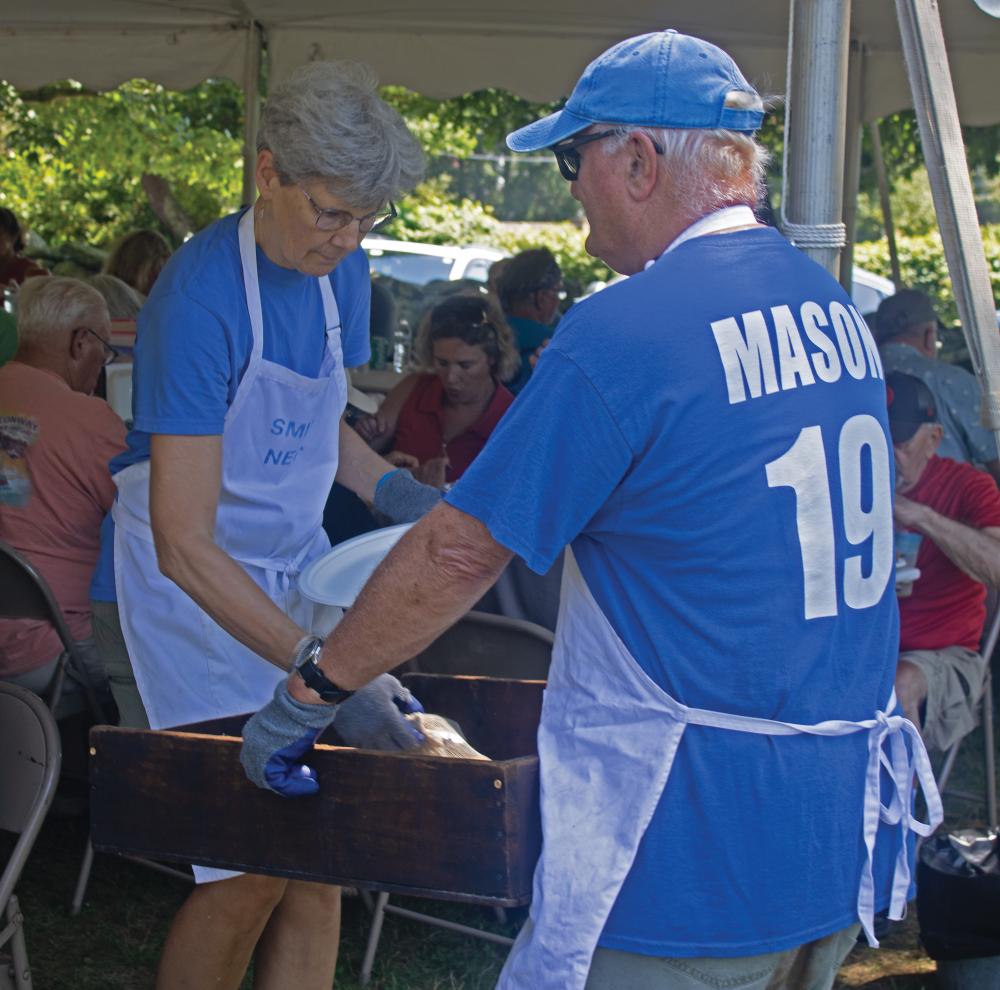 Dishing out the meal.
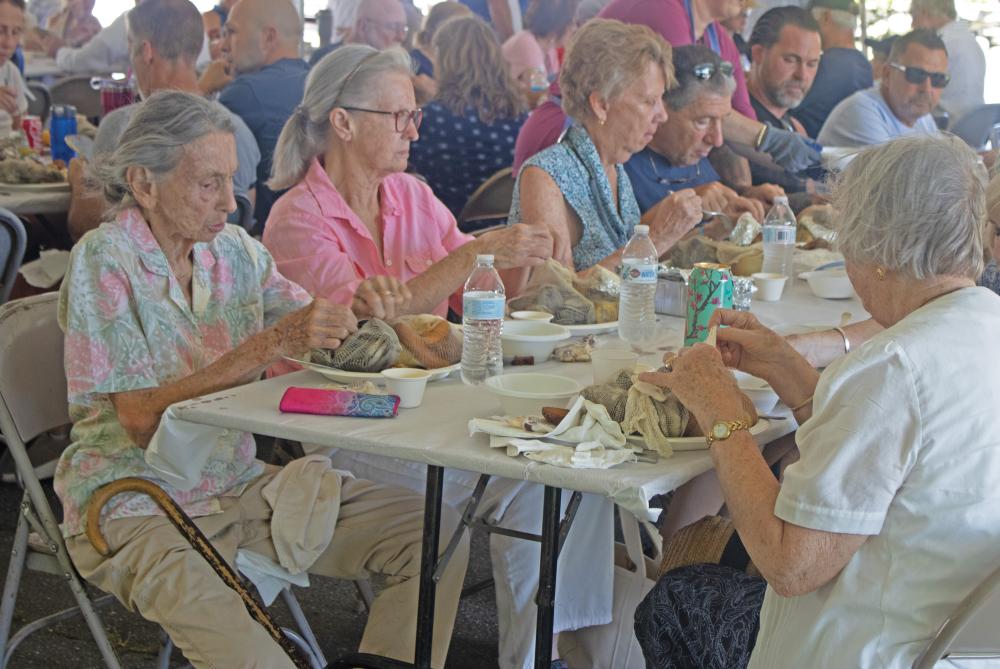 Women dig into their meals.
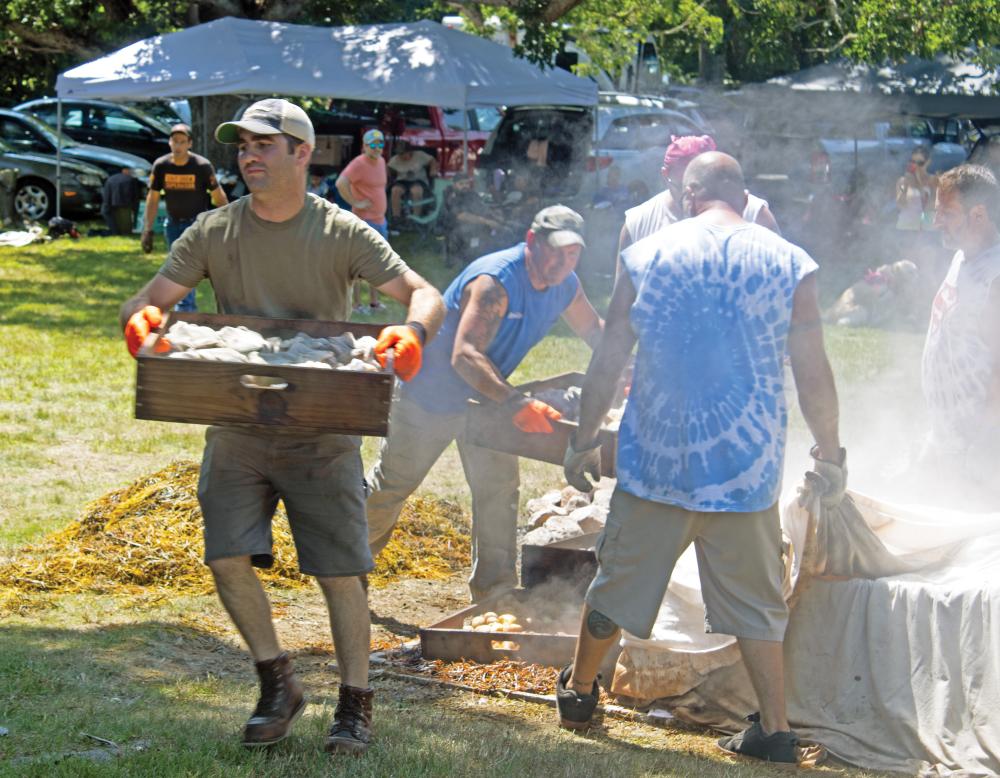 In a rush to put the food down.
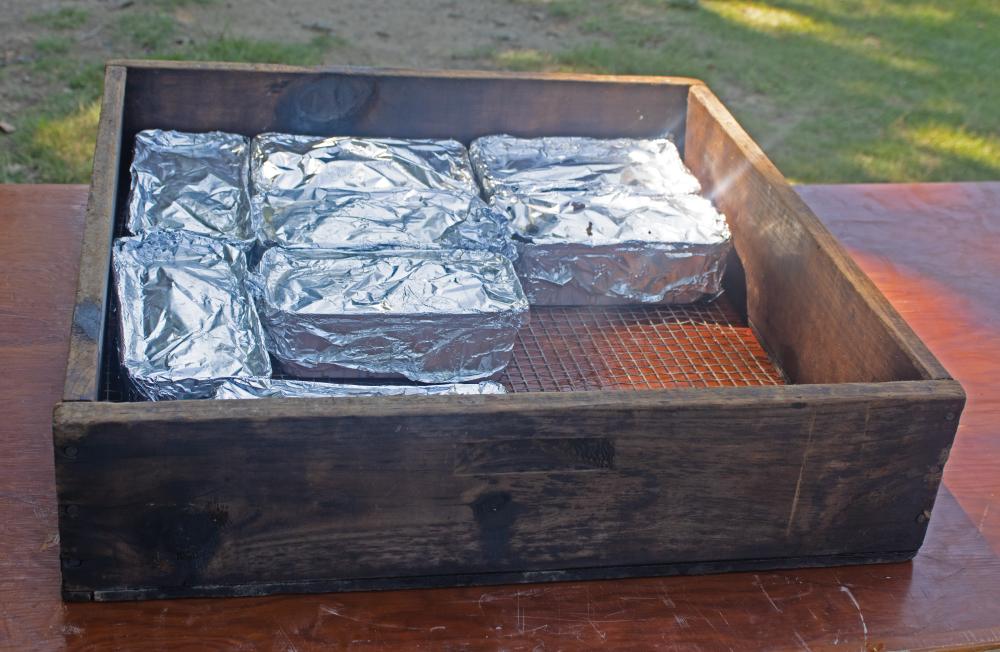 A tray of stuffing.
Shoveling the seaweed away. Photos by Abby Van Selous
Trays of food beneath the tarps are revealed.
A man and his child look at the pit where the food cooks.
Dishing out plates in preparation of the food.
Ryan Gauvin takes a pitchfork to the burning pile of wood.
Volunteers gather together to strategize how to tackle serving the food to guests.
Pouring chowder into a bowl to serve to guests.
Steam billows out from beneath the tarp.
Guests begin eating their food.
Removing one of the tarp layers.
Grabbing several trays from the pit ready to be served.
Two men carry a tray of food together.
Bringing out the chowder.
Visitors buy some treats at the bake sale.
The food cooked for around two hours.
Around 200 people attended the clambake.
A tray of food just taken out from under the tarp.
Volunteers line up for bowls of chowder.
Volunteers carry a tray of food to a table.
Two volunteers work together to distribute the food.
Dishing out the meal.
Women dig into their meals.
In a rush to put the food down.
A tray of stuffing.
A tray of stuffing.
Shoveling the seaweed away. Photos by Abby Van Selous
Trays of food beneath the tarps are revealed.
A man and his child look at the pit where the food cooks.
Dishing out plates in preparation of the food.
Ryan Gauvin takes a pitchfork to the burning pile of wood.
Volunteers gather together to strategize how to tackle serving the food to guests.
Pouring chowder into a bowl to serve to guests.
Steam billows out from beneath the tarp.
Guests begin eating their food.
Removing one of the tarp layers.
Grabbing several trays from the pit ready to be served.
Two men carry a tray of food together.
Bringing out the chowder.
Visitors buy some treats at the bake sale.
The food cooked for around two hours.
Around 200 people attended the clambake.
A tray of food just taken out from under the tarp.
Volunteers line up for bowls of chowder.
Volunteers carry a tray of food to a table.
Two volunteers work together to distribute the food.
Dishing out the meal.
Women dig into their meals.
In a rush to put the food down.
A tray of stuffing.
In the yard of the Smith Neck Friends Meeting house is a pit always covered with plywood, except for the second Saturday in August for the church’s annual clambake.
Outside the meeting house on Saturday, Aug, 8, members of Smith Neck Friends Meeting took pitchforks to a large pile of seaweed, shoveling it away from a large mound of tarps where clams, fish, corn, potatoes, sausage and stuffing had been baking for about two hours.
One by one the men removed the tarp layers until just a few remained to keep the food hot. They rushed the hot trays from the pile to a table for volunteers to grab and distribute to 200 guests, all there to enjoy a meal and a 91-year-old tradition.
Planning for the clambake usually begins around March when members of the church start to figure out where they will get the wood and rocks that are needed for the fire, as well as where they will source the food.
“There is some evolving that happens with it, but it’s pretty much the same for 100 years,” said Eric Reid, who grew up attending the church and volunteering for the clambake.
Reid noted that planning is “really pretty easy because we’ve done it so long.”
He said that most of the companies they work with for the clambake already know that they put on the event.
“You just put in a call, be like, ‘Hey, we’re doing the clambake again,’” he said.
While the clams come from Maine, much of what is served is locally sourced, including corn that was donated by King Farm and the seaweed, which was picked at low tide in the harbor.
The seaweed is an integral component of the clambake, responsible for the steam that’s necessary to bake the food, as well as give the food its signature flavor.
“It’s a little smoky,” Reid said. “It’s got that seaweed kind of flavor. It’s super oceany.”
Volunteers like Ryan Gauvin help keep the clambake operating smoothly by providing background work, whether it’s tending to the fire or turning the rocks.
Gauvin said he started volunteering “because you were able to walk and move and do anything useful.”
“I try to just kind of keep everything organized as far as the food, seaweed and make sure everything goes on the fire in the right order,” he said.
While the clambake is a fundraiser for Smith Neck Friends Meeting, Reid said the event is “more about getting people together.”
“We’ve had the same people eating here as long as I can remember, so 40 or 50 years,” he said. “They come every year.”
Pastor Michael Cochran said the clambake consists of “so many families” that have some sort of connection to Smith Neck.
“Even though many of them have moved away or are not close, this almost serves as a type of family reunion for a lot of us,” Cochran said.
He said all of the volunteers have a “heart to serve” and noted that they “love serving people and caring for people.”
Cochran said the “biggest part” of the clambake is providing the community with an atmosphere where they can simply share a meal and talk.
“It’s just seeing people coming and enjoying themselves,” he said, “And as people get older too it becomes a tradition for them after a while where they just look forward to it.”
Reid’s children, who are 9-years-old and 11-years-old, have already started helping with the clambake, continuing in their father’s and their grandfather’s footsteps. This year, they helped water down the tarps and the seaweed to ensure it’s wet enough to generate steam.
Reid said his children will likely continue the tradition as they grow up and take on more responsibilities, such as tending to the fire.
“It’s a tradition,” he said of the clambake. “Hopefully it’ll go on for another 100 years.”