











"Flock" cameras have flocked to Dartmouth
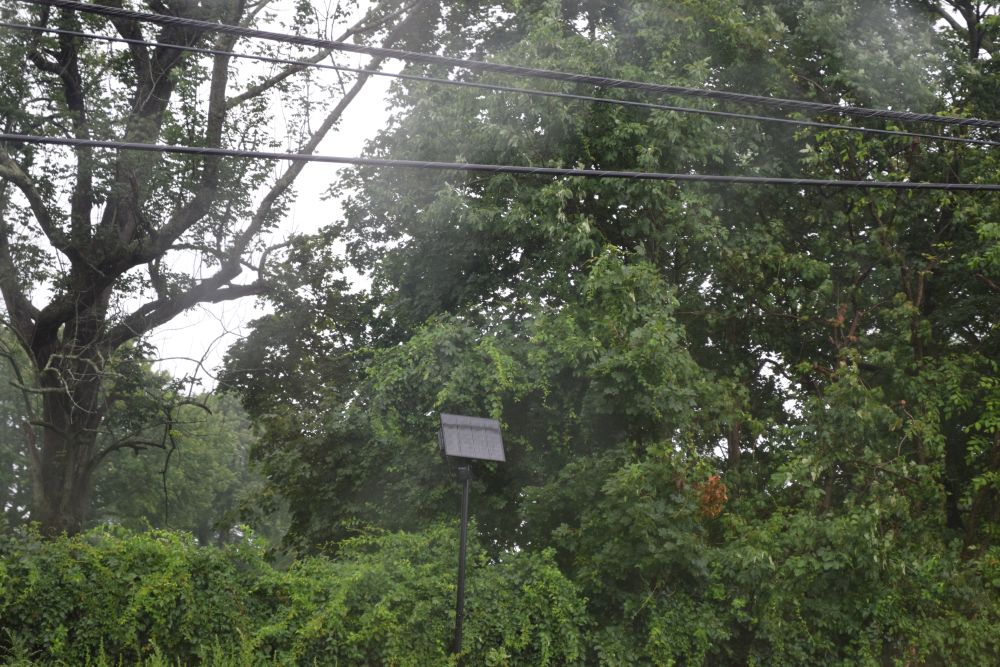 The State Road Flock Camera. Photos by Kat Sheridan
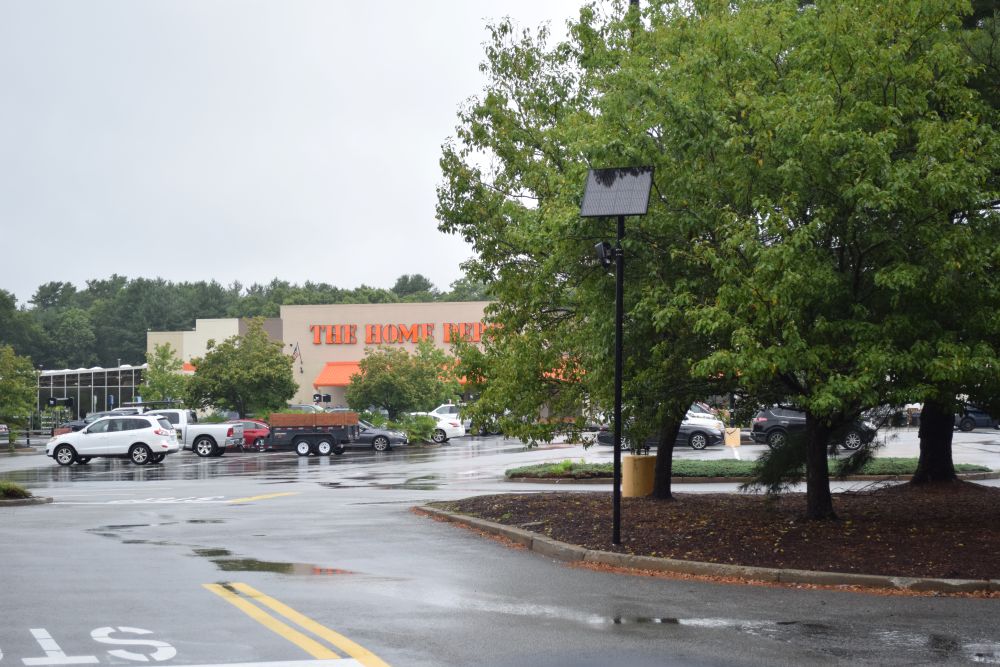 A Flock camera in Home Depot.
The State Road Flock Camera. Photos by Kat Sheridan
A Flock camera in Home Depot.
A Flock camera in Home Depot.
The State Road Flock Camera. Photos by Kat Sheridan
A Flock camera in Home Depot.
Public surveillance cameras have been in use in Dartmouth for three years. Police say they help solve crimes. Some citizens are beginning to question if the devices are too intrusive.
There are currently five “Flock" cameras in town that Dartmouth police installed at points of entry, according to police press contact Keith DaCosta.
“We’re not trying to track people’s movements all throughout town, That isn’t what we use them for.” he said. ”
DaCosta said the cameras have helped them solve crimes such as shoplifting.
The cameras are designed and operated by Flock Safety, a private company based in Georgia. The cameras can have license plate readers, audio detection and artificial intelligence based systems that share information with a customer. They gather information about passing vehicles such as make, model, license plate and bumper stickers.
The Select Board approved four Flock cameras in July 2023, with more allowed if the four worked. Police Chief Brian Levesque noted he would like to eventually install about 20.
While the cameras were placed in undisclosed locations, a national website run by those who oppose Flock cameras allows the public to post camera locations. According to that site, deFlock.org,the Dartmouth Flock cameras are located near the intersection of Dartmouth Street and Cove Road; on State Road; and on Reed Road near Grove Street. The fourth and fifth locations have not been reported on the DeFlock website.
The police’s five cameras cost $3,000 each annually, for a total of $15,000.
“We’ve been monitoring the program and then reevaluating, seeing how successful,” said DaCosta.Flock license plate reader date is pulled together into a nationwide database that police can use.
The company says it does not share information with anyone other than its customers, who are given sole custody of the footage. But Flock maintains the collected data.
DaCosta said only a few detectives have access to the collected Dartmouth data, and not every police officer has an account. They log the data in a monthly audit on how they use the data.
He said Dartmouth Police only share information with officials who file a lawful request and have a specific reason for the data. DaCosta said they have not received any inquiries from ICE, but would be willing if a request was filed by the immigration authority.
Under state Public Records law, any person can request access to public records. Flock, as a private company, allows each police station to decide whether to disclose footage.
While anyone can request information collected from Flock Cameras, the data may be redacted or denied.
While there is an option for nationwide data sharing, DaCosta added Dartmouth is not a part of this program. The police only access the Dartmouth Home Depot and Lowe's cameras besides their own.
“We don’t randomly have access to other people’s Flock system, and people don’t randomly have access to ours,” he said. “We will share with law enforcement agencies that make … a formal request.”
Flock claims on its website that, in 2025, its system helped find over 10,000 missing people and aided in over a million cases.
The American Civil Liberties Union is not so upbeat, pointing out that Flock cameras could be used by ICE agents to find people without papers; to find people receiving illegal abortions; and to use AI that is not always accurate to arrest suspects.
In Dartmouth, there are also Flock cameras in the Home Depot and Lowe’s parking lots, which were installed by the private businesses and didn’t require the town’s approval.
A Home Depot representative said that they do not grant license plate reading information to federal agents and use the cameras purely for theft prevention.
Lowes could not be reached for comment. Dartmouth Week attempted to contact the company through its Press Contact page and through an email given by a customer service representative.
The Select Board stated during their Monday, Aug. 3 meeting that they are planning on further discussing Flock cameras in a future meeting, and will be looking into whether to renew the contract or not.
Contact Name