











'It's the 17th century IKEA': Fuller Shallop arrives in Padanaram Harbor
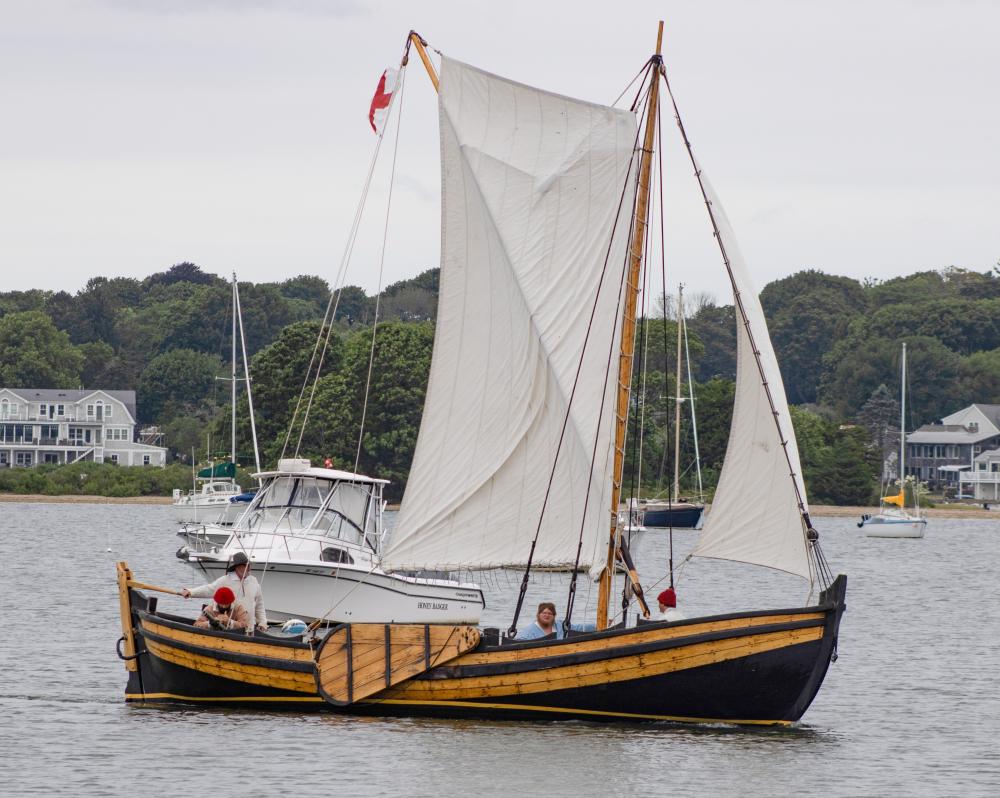 The Fuller Shallop sails into the Padanaram Harbor on Monday, Aug. 17. Photos by Abby Van Selous
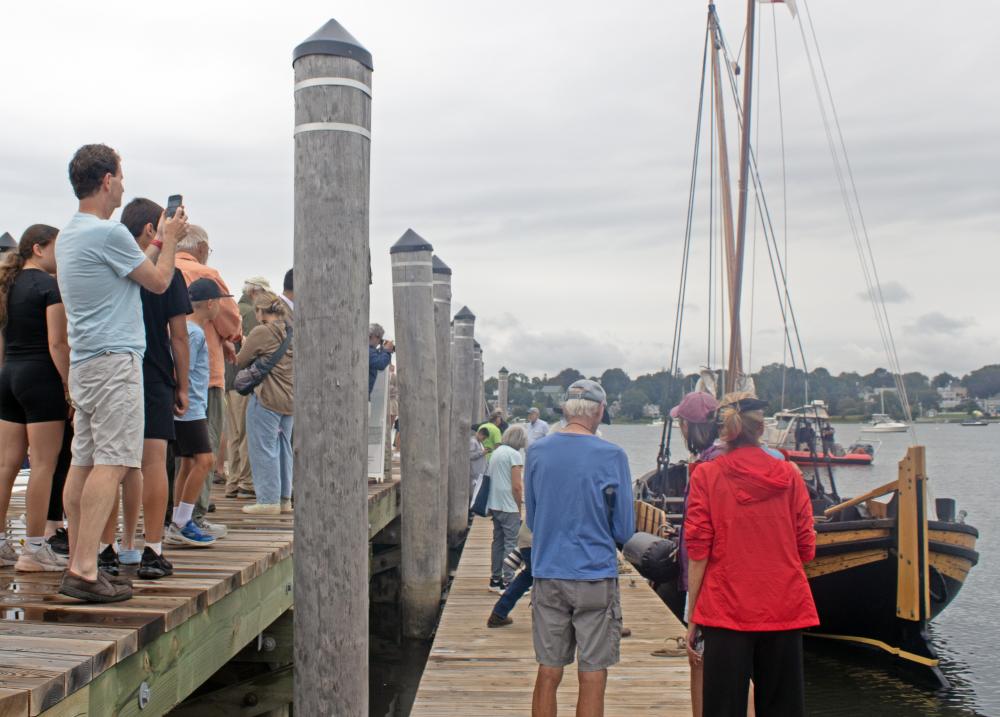 People learn about the boat.
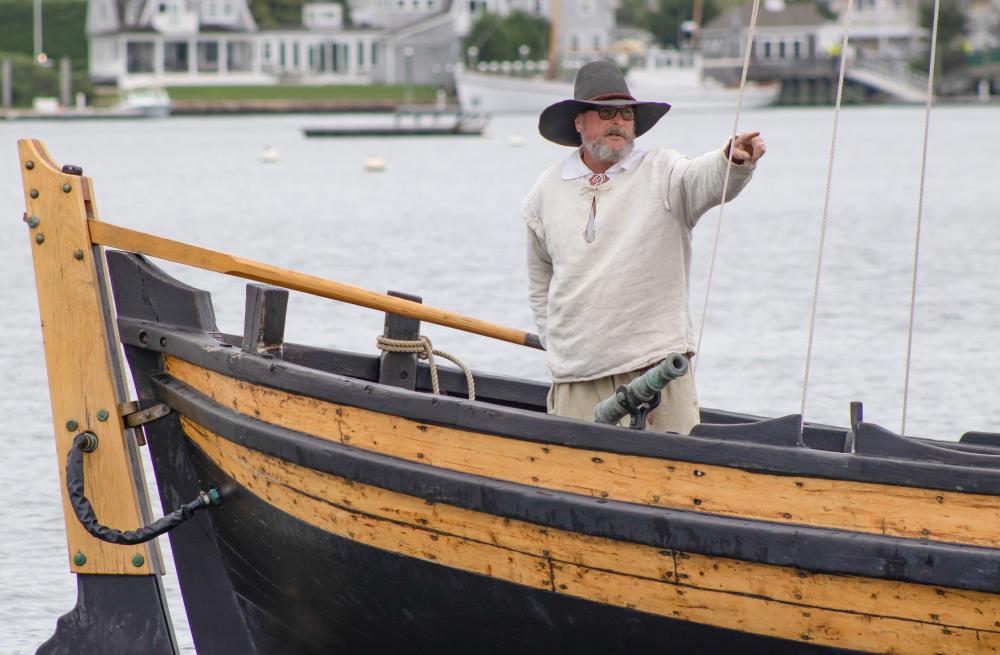 Whit Perry spots land.
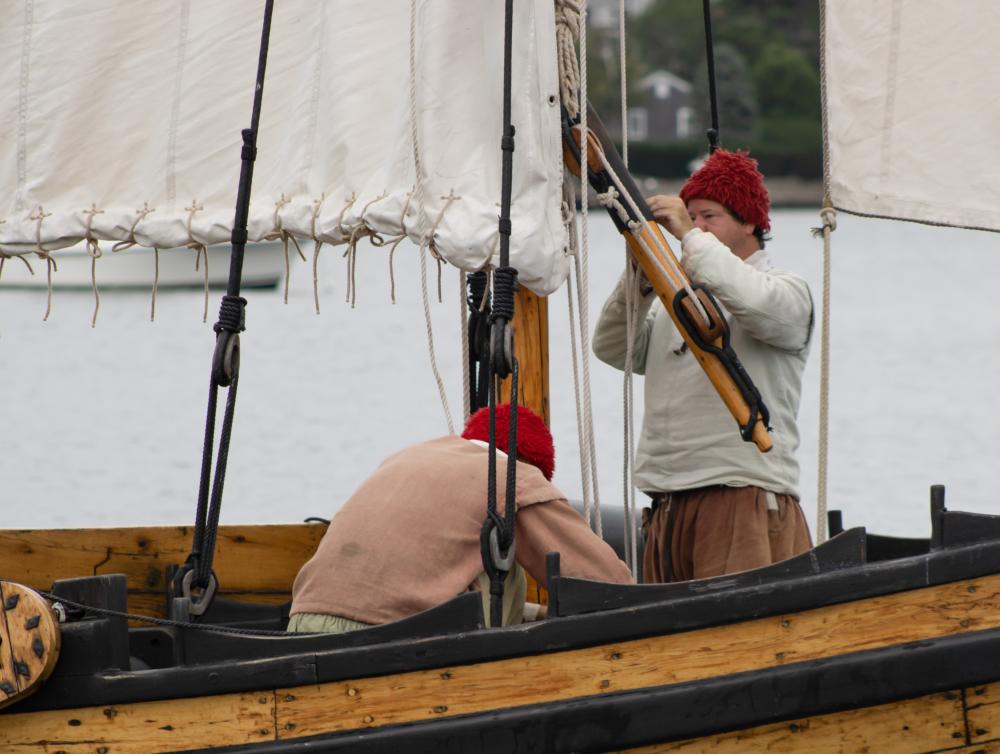 Sam Allen, left, and Don Heminitz work on the Fuller Shallop.
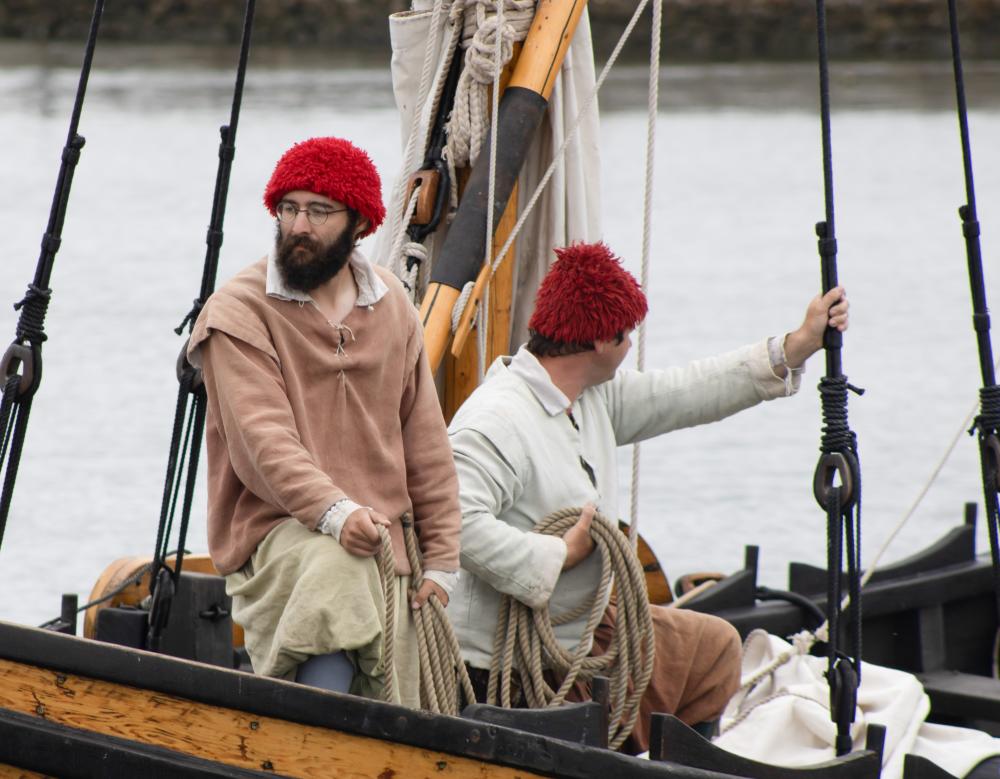 Sam Allen, left, and Don Heminitz prepare to dock the boat.
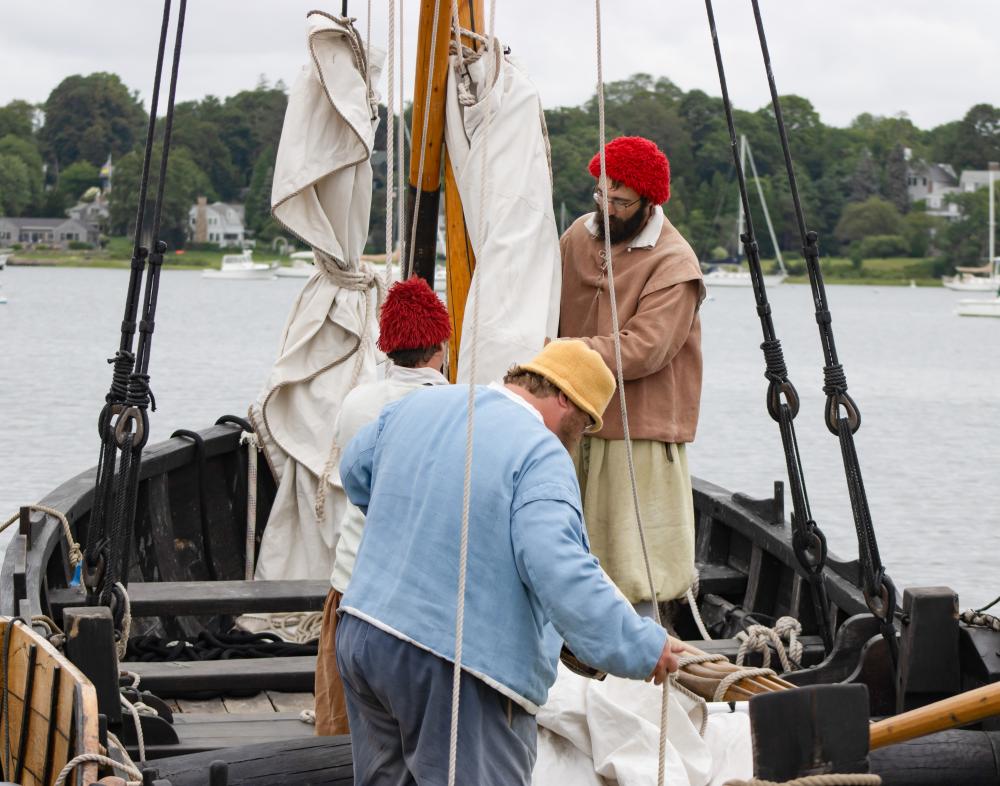 Dylan Perry, front, Sam Allen and Don Heminitz bring down the ship's sail.
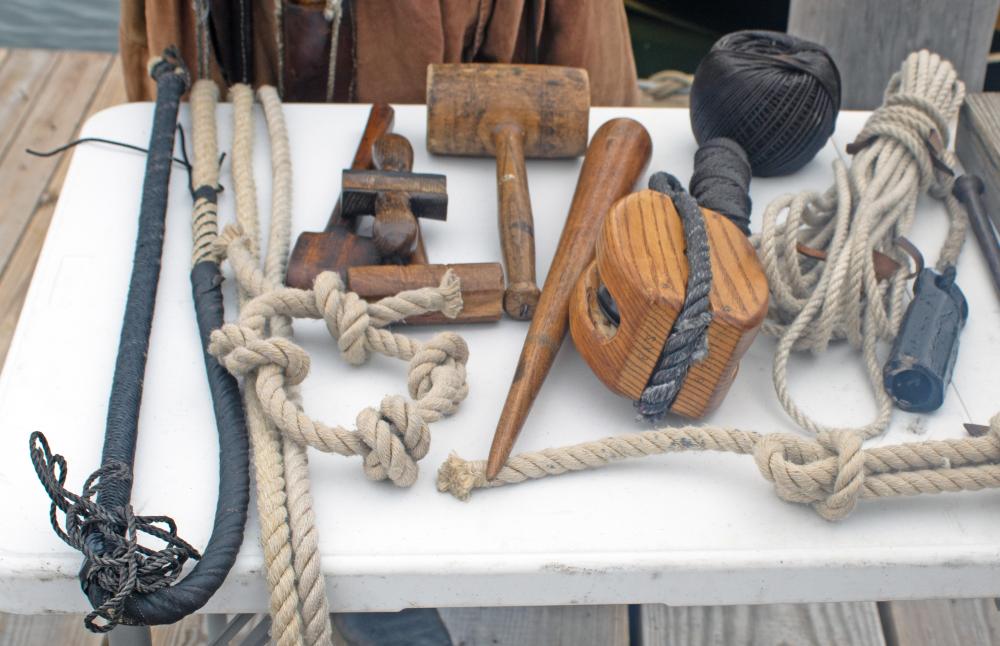 Boat riggings.
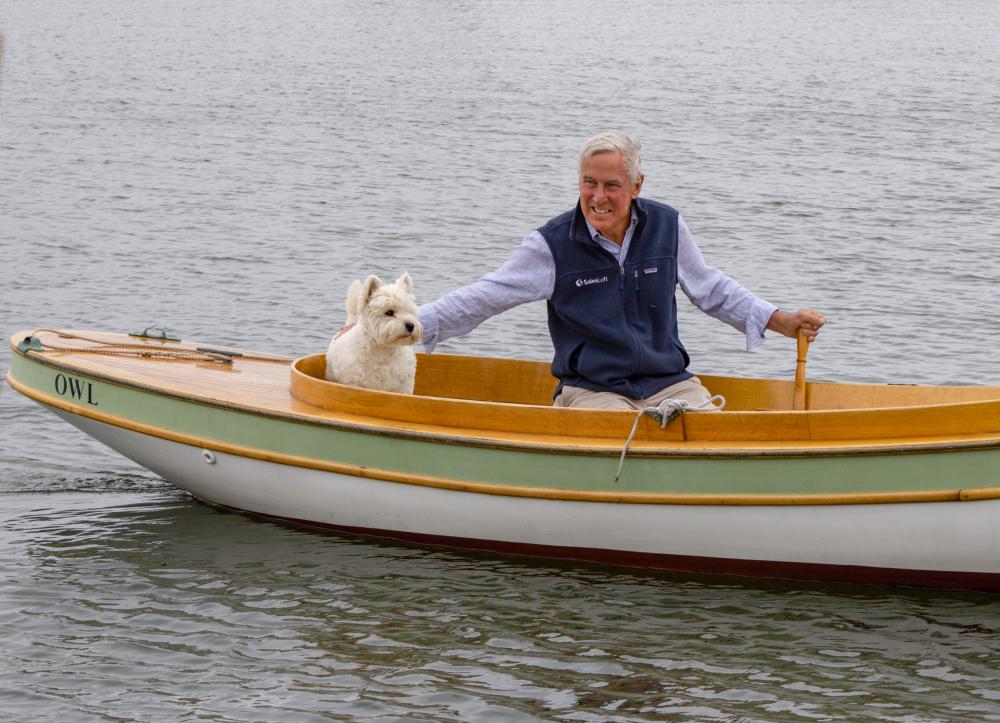 Richard Armstrong and his dog sail.
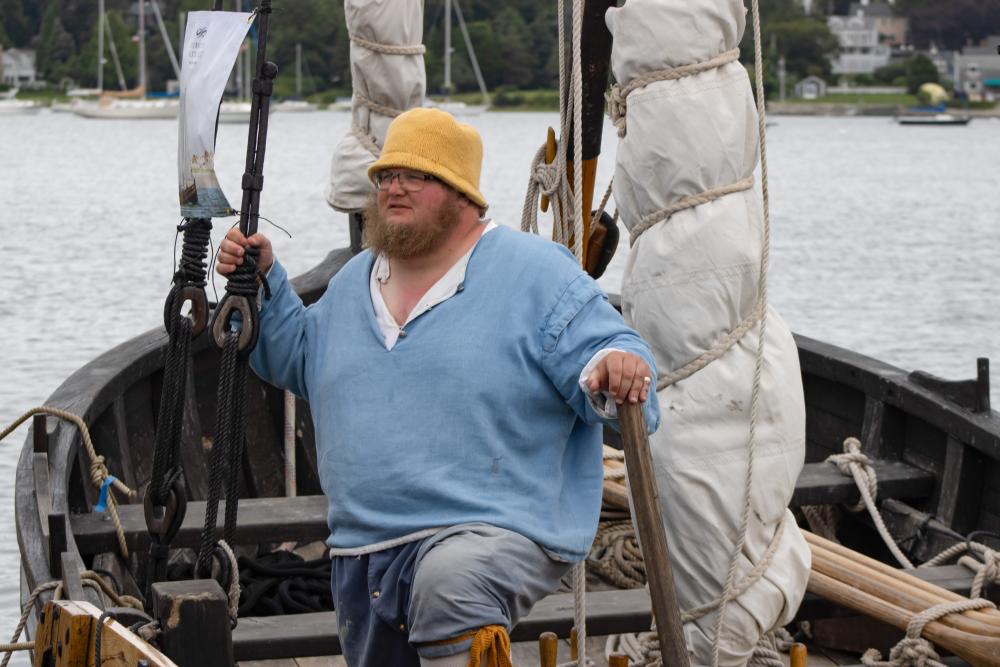 Dylan Perry on the Fuller Shallop.
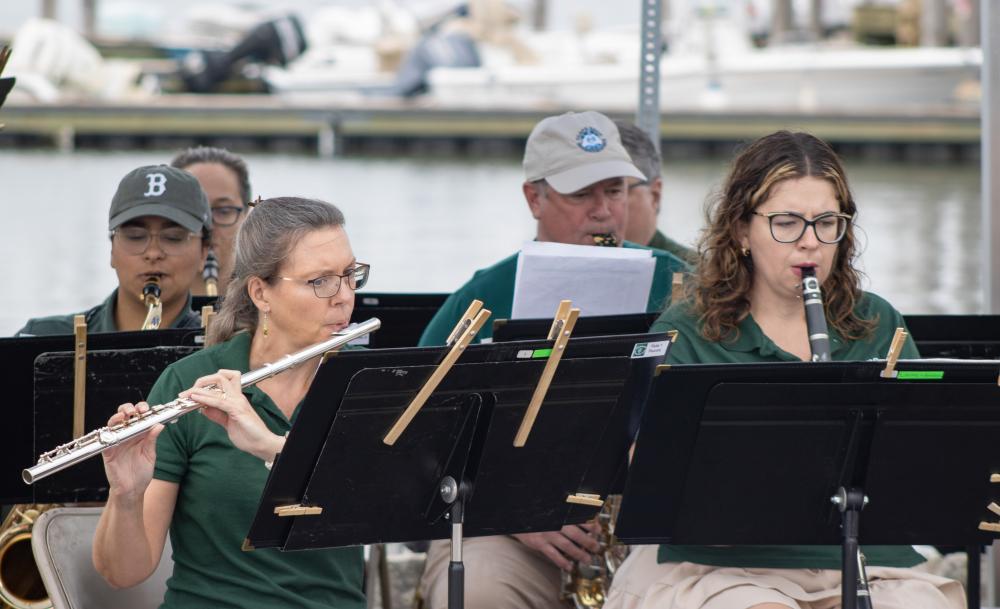 Members of the Dartmouth Community Band perform.
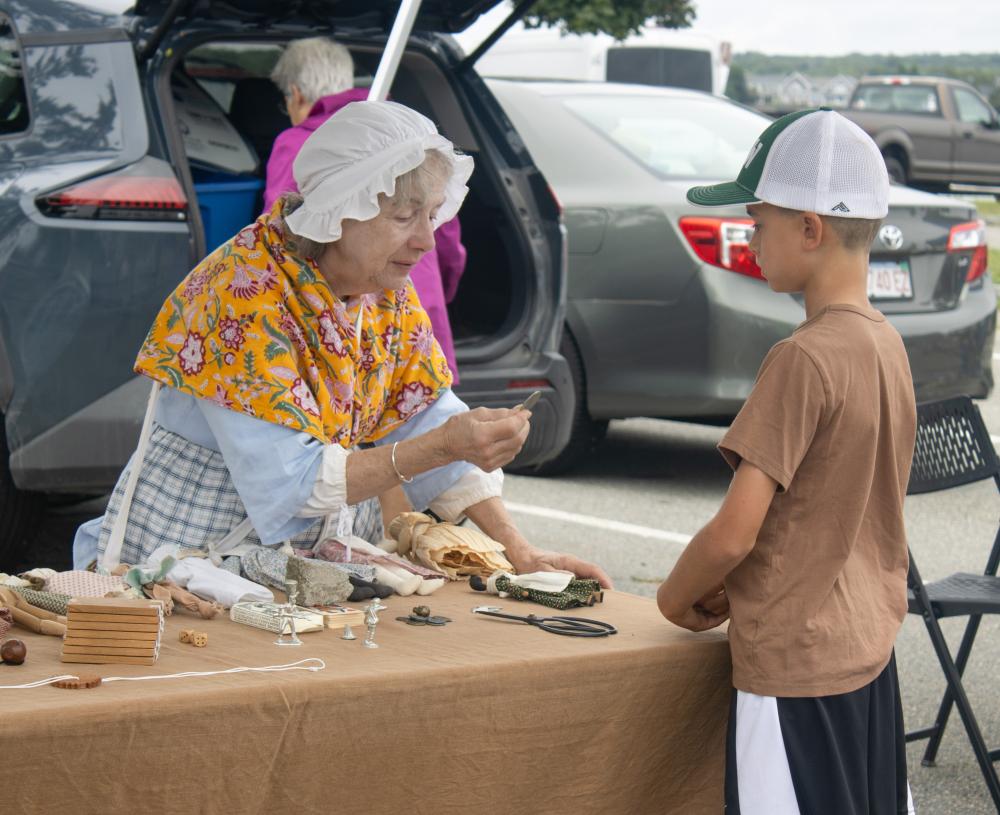 Learning about Colonial Era games and toys.
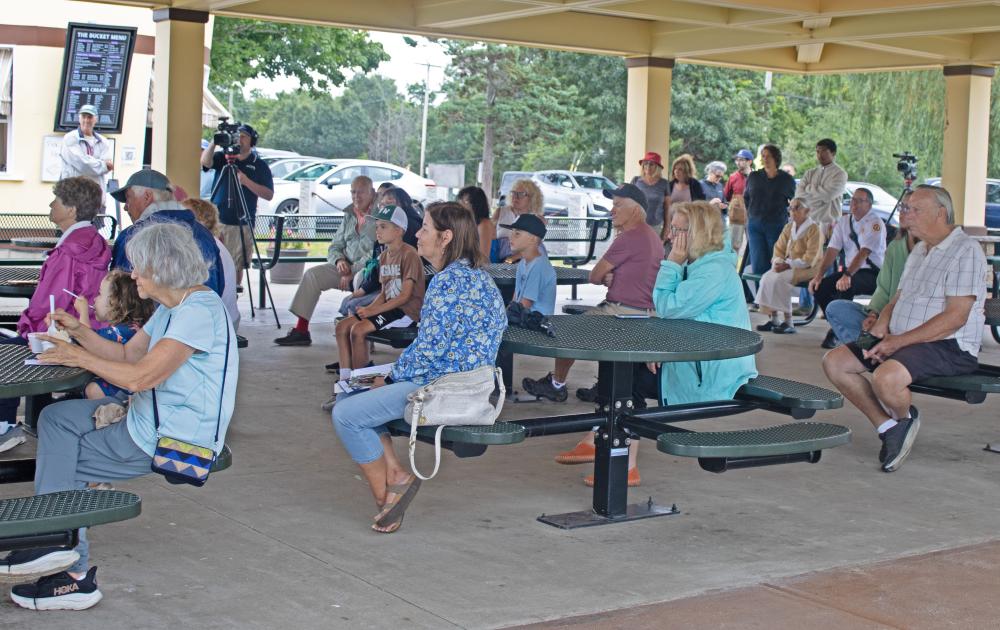 People watch the short film "Cuffe: Taxed."
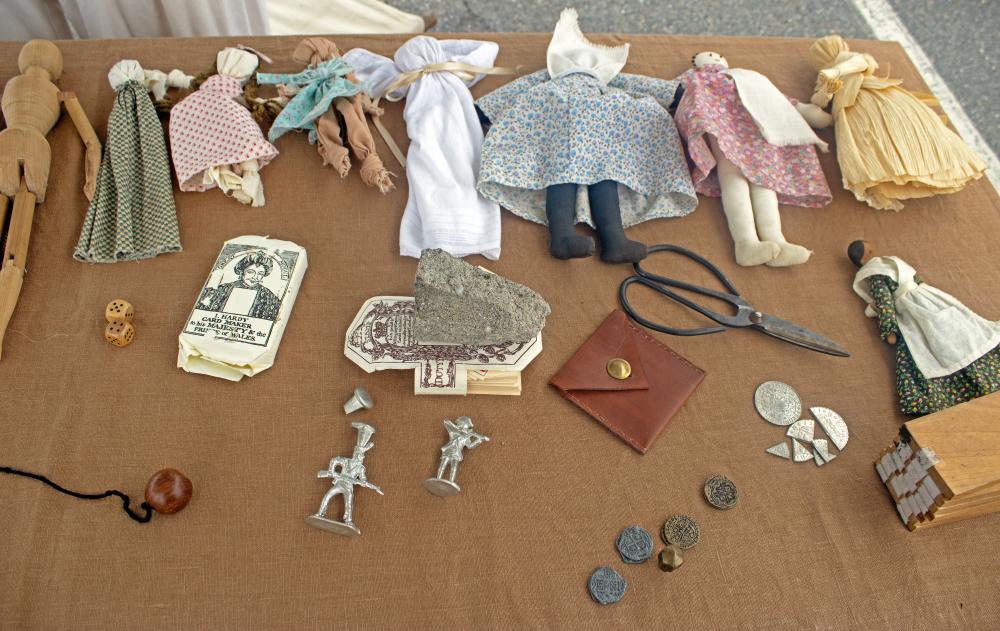 Colonial Era dolls.
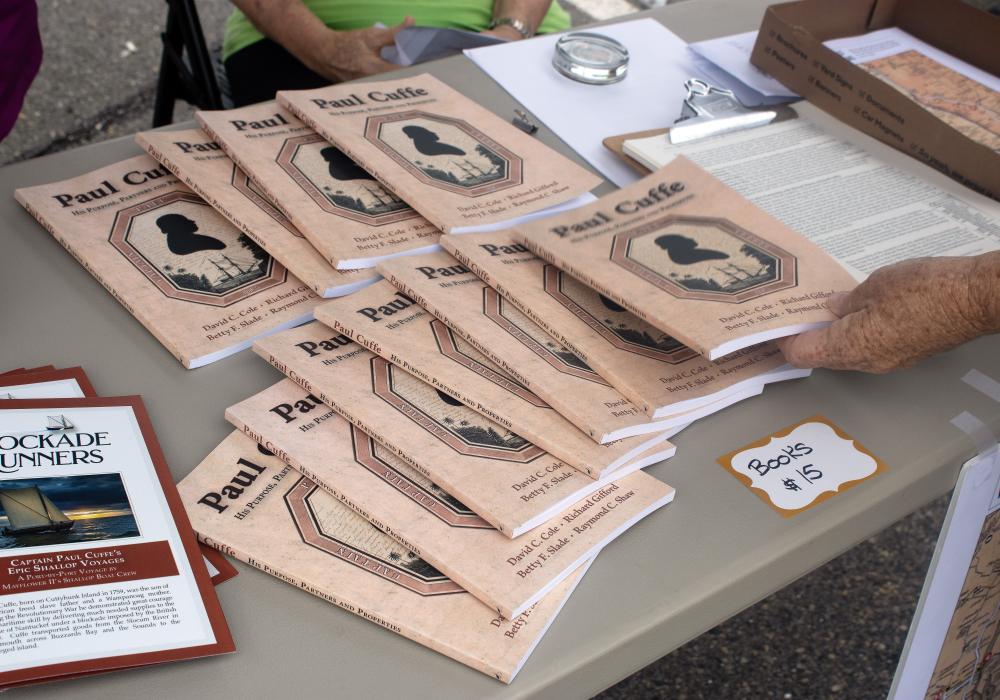 Books about Paul Cuffe on display and for sale.
The Fuller Shallop sails into the Padanaram Harbor on Monday, Aug. 17. Photos by Abby Van Selous
People learn about the boat.
Whit Perry spots land.
Sam Allen, left, and Don Heminitz work on the Fuller Shallop.
Sam Allen, left, and Don Heminitz prepare to dock the boat.
Dylan Perry, front, Sam Allen and Don Heminitz bring down the ship's sail.
Boat riggings.
Richard Armstrong and his dog sail.
Dylan Perry on the Fuller Shallop.
Members of the Dartmouth Community Band perform.
Learning about Colonial Era games and toys.
People watch the short film "Cuffe: Taxed."
Colonial Era dolls.
Books about Paul Cuffe on display and for sale.
Books about Paul Cuffe on display and for sale.
The Fuller Shallop sails into the Padanaram Harbor on Monday, Aug. 17. Photos by Abby Van Selous
People learn about the boat.
Whit Perry spots land.
Sam Allen, left, and Don Heminitz work on the Fuller Shallop.
Sam Allen, left, and Don Heminitz prepare to dock the boat.
Dylan Perry, front, Sam Allen and Don Heminitz bring down the ship's sail.
Boat riggings.
Richard Armstrong and his dog sail.
Dylan Perry on the Fuller Shallop.
Members of the Dartmouth Community Band perform.
Learning about Colonial Era games and toys.
People watch the short film "Cuffe: Taxed."
Colonial Era dolls.
Books about Paul Cuffe on display and for sale.
Over 400 years ago when the pilgrims on the Mayflower searched for the perfect place to dock, men would sail out on a small ship known as a shallop to scout out the land.
Stored in the Mayflower’s hold as three or four prefabricated pieces, the boat could be constructed “very quickly,” said Whit Perry, the director of maritime and historic preservation at the Plimoth Patuxet Museum. “It’s the 17th century IKEA.”
“Back then, this boat and the Mayflower were the height of technology,” he said. “You didn’t have all your fancy fiberglass boats and big outboard motors.”
Around 155 years after the pilgrims landed in Plymouth, men such as Paul Cuffe and his brother-in-law Michael Wainer sailed shallops as blockade runners, bringing food and supplies to people on Nantucket during the Revolutionary War.
On Monday, Aug. 17, the Fuller Shallop, a near replica of the Mayflower’s shallop, sailed into Padanaram Harbor as part of the Mayflower II Shallop Voyage that honors the journey Cuffe would have taken to get from the South Coast to Nantucket.
“We are commemorating a blockade running by Captain Paul Cuffe — the son of a freed slave of the Slocum family and native woman from Harwich — to take provisions to Nantucket, to the Quakers there facing a difficult blockade by the British,” said Betty Slade, co-chair of the Shallop Planning Group, which organized the voyage.
Built in 1957, the Fuller Shallop was originally constructed to greet the Mayflower II when it came across from England. The boat was restored in 2020 and before now has primarily stuck to day sailing around Plymouth Harbor in Cape Cod Bay.
“We haven’t done this kind of voyaging with the shallop before at all, and we’re having a great time,” Whit Perry said.
While the Fuller Shallop is most often used to bring to life how the pilgrims landed in Plymouth, the voyage to Nantucket focuses solely on the journey Cuffe likely took as a blockade runner.
Slade noted that Cuffe lived near Destruction Brook and that he likely sailed on the Slocums River from Russells Mills on his trips to Nantucket.
“Although Cuffe is considered to be Westport’s own, we wanted to emphasize his connections to Old Dartmouth and new Dartmouth and hope that you will adopt him as one of your own heroes,” she said.
The Fuller Shallop and its crew of four men set sail from Plymouth on Thursday, Aug. 13 to Westport, where the voyage commemorating Cuffe’s blockade runs to Nantucket began.
“To be part of preserving the history of Paul Cuffe and of the pilgrims, being able to sail these reproductions, we learn every time we sail them,” Whit Perry said. “We learn a little bit more about how they would have done what they did back in the early 17th century.”
Dylan Perry, a maritime artisan from the Plimoth Patuxet Museum, said that this is the furthest the Fuller Shallop has been away from Plymouth in around 30 years, besides when it went out for restorations.
“To actually take it out in a much more open water of the Atlantic Ocean to get to Nantucket is going to be quite an experience that we’re all looking forward to,” he said. “Seeing how it handles, seeing how we fare.”
Whit Perry, who is the captain of the Fuller Shallop for the voyage, said they have so far been “incredibly lucky with the weather” and that the turnout and public support of the voyage “has been amazing.”
He took note of the days spent in Westport and of the crowd of people who welcomed the Fuller Shallop into Padanaram Harbor.
“Lots of people here, and we’re having a great time, and I think the public is enjoying it,” he said.