











Conservation restriction to be placed on 4 Tannery Lane following Town Meeting vote
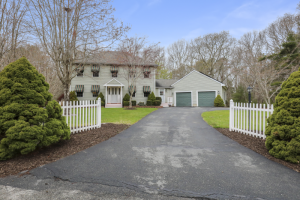
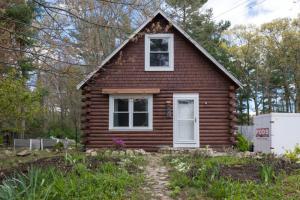
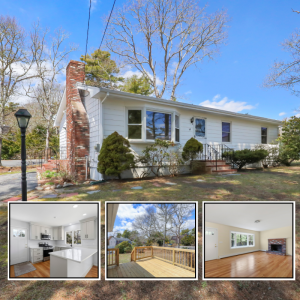
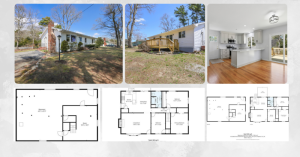
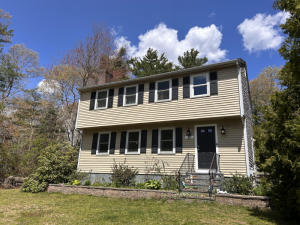
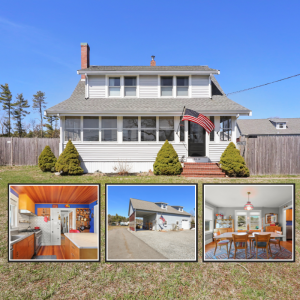
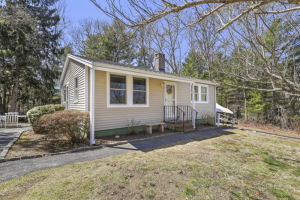
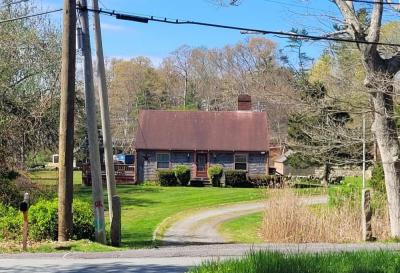 The house at 4 Tannery Lane that will either be removed or demolished. Photos by Abby Van Selous
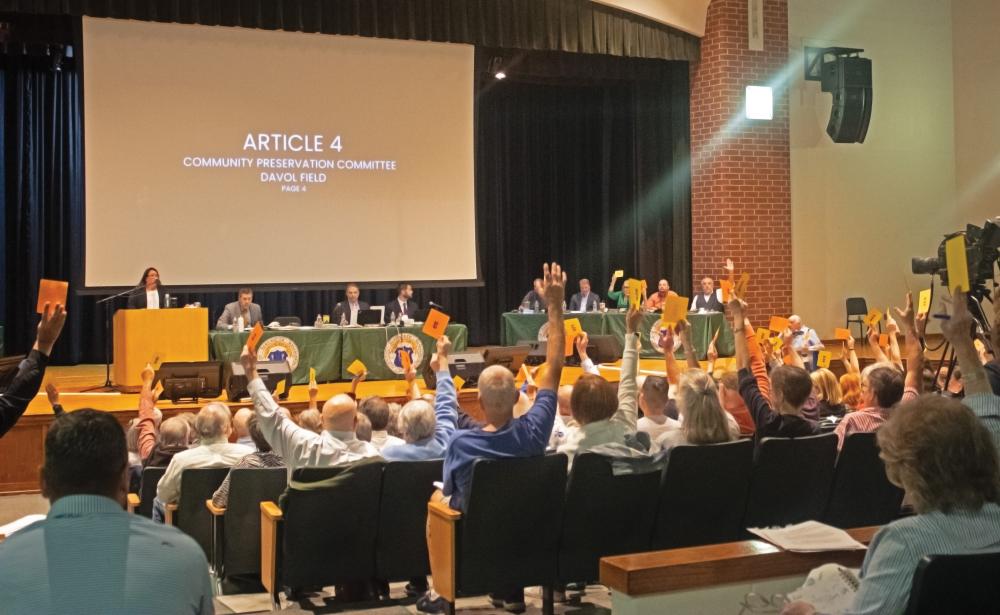 Town Meeting members vote on whether to approve a conservation restriction.
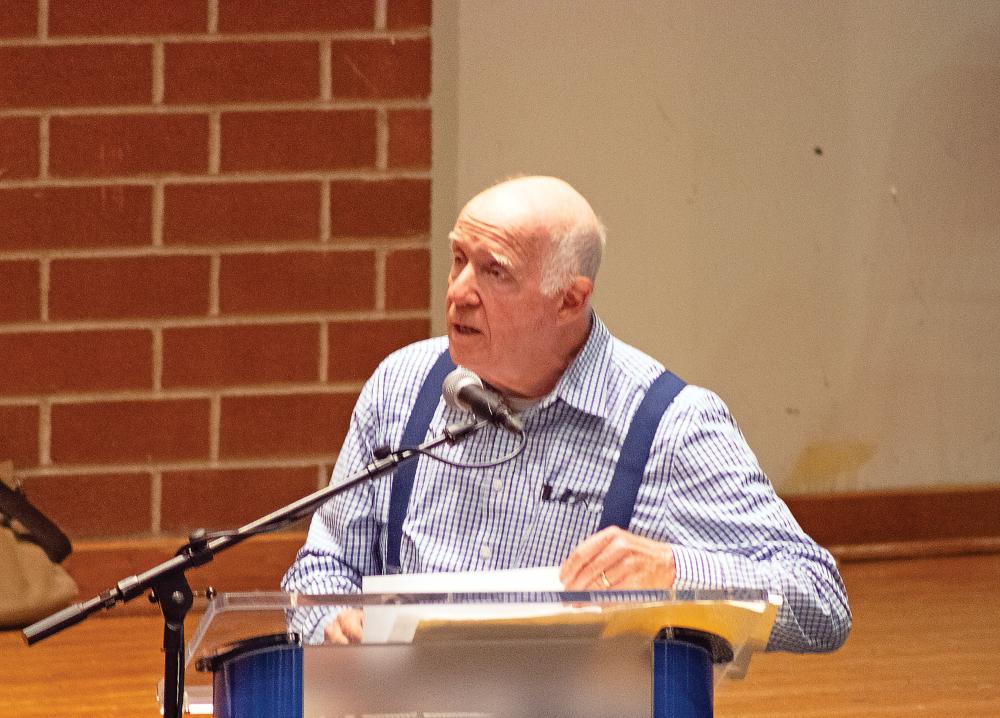 Buddy Baker-Smith speaks at Town Meeting on Tuesday, June 2.
The house at 4 Tannery Lane that will either be removed or demolished. Photos by Abby Van Selous
Town Meeting members vote on whether to approve a conservation restriction.
Buddy Baker-Smith speaks at Town Meeting on Tuesday, June 2.
Buddy Baker-Smith speaks at Town Meeting on Tuesday, June 2.
The house at 4 Tannery Lane that will either be removed or demolished. Photos by Abby Van Selous
Town Meeting members vote on whether to approve a conservation restriction.
Buddy Baker-Smith speaks at Town Meeting on Tuesday, June 2.
A 2.5 acre lot at 4 Tannery Lane will be placed under a conservation restriction after Town Meeting members voted by a clear majority to approve the measure on Tuesday, June 2.
The property is owned by the Buzzards Bay Coalition, which requested the conservation restriction to protect the land and nearby Slocums River from any future development.
Under the conservation restriction, the Buzzards Bay Coalition — or any potential future property owners — won’t be allowed to develop the property or use it for anything other than a park.
Buzzards Bay Coalition President Mark Rasmussen noted that the conservation restriction is the “protection against misuse.”
Town Clerk Sarah Haskell-Arruda, who stood in for Town Moderator Melissa Haskell for this article, stressed that Town Meeting members weren’t being asked whether to approve the construction of a park but simply whether to fund a conservation restriction.
The conservation restriction will cost $575,000, with the project being funded through the Community Preservation Committee.
Rasmussen noted that this price point comes from the average cost of a lot in Russells Mills Village, which ranges between $650,000 to $700,000.
During Town Meeting, some members questioned why the Community Preservation Committee was interested in a conservation restriction on this piece of land as opposed to other areas in town.
“A half a million dollars out of a fund that has something over $3 million is a tremendous amount of the town’s resources to put in a very small area,” said member Chris Ross.
He added, “This seems to be an excessive amount of money for an extremely small amount of environmental benefit.”
Buddy Baker-Smith, a representative from the Community Preservation Committee, noted that without the restriction, there isn’t a guarantee that the property will stay as is and that a property owner could one day develop it.
“It’s not clear that the property will necessarily continue to look the way it does, unless the conservation restriction is invested in,” he said.
Rasmussen said that the conservation restriction will do four things: preserve the property forever as open space; protect against misuse; secure public access; and make the Town of Dartmouth an enforcer, ensuring that the Coalition upholds their “end of the bargain.”
“It preserves the property forever as open space. Period,” he said. “That land will become a climate buffer, absorbing storms, absorbing floods, as opposed to impacting roads and houses.”
Baker-Smith explained that the intent of the conservation restriction is to prevent any future development, mitigate the impact of sea level rise and provide public access to the river.
“It’s about preventing development in areas that are vulnerable and then create other problems for the town when built environments are in these zones,” he said.
He added, “In terms of the money and investment, we believe it’s consistent with what the town values are and what the goals are.”
The conservation restriction request comes at a time when some residents and abutters to the property have expressed dissatisfaction with project transparency regarding the Buzzards Bay Coalition’s plans to remove or demolish the house on the property and turn the land into a park.
“What people have been concerned about is process … the abutters, neighbors, town residents feel like they’ve been involved in the decision for mitigating traffic patterns, mitigating anything that gets installed, any way in which their residential neighborhood is impacted,” said Town Meeting member Laura Stone, who was in support of a conservation restriction.
With the conservation restriction now secured, the Buzzards Bay Coalition will begin the process of converting the 2.5 acre lot into a public park. To do so, the house on the property will either be relocated or demolished, depending on what the town’s interest is.
The current driveway will be converted into a six-car gravel parking area. A trail will be created going through the field toward the river and will be lined either with sculptures or landscaping features, such as park benches.
“There will not be construction, there will not be facilities, bathrooms, whatever else you might imagine in a park, they will not happen because of the [conservation restriction],” said Rasmussen.
The park, which would be completed sometime in 2027, will be managed entirely by the Buzzards Bay Coalition and its staff.
“The obligations for taking care of the place, mowing the field, taking care of the trails, that’s all to Buzzards Bay Coalition,” Rasmussen said.