












Kids get a taste of farm to table meals
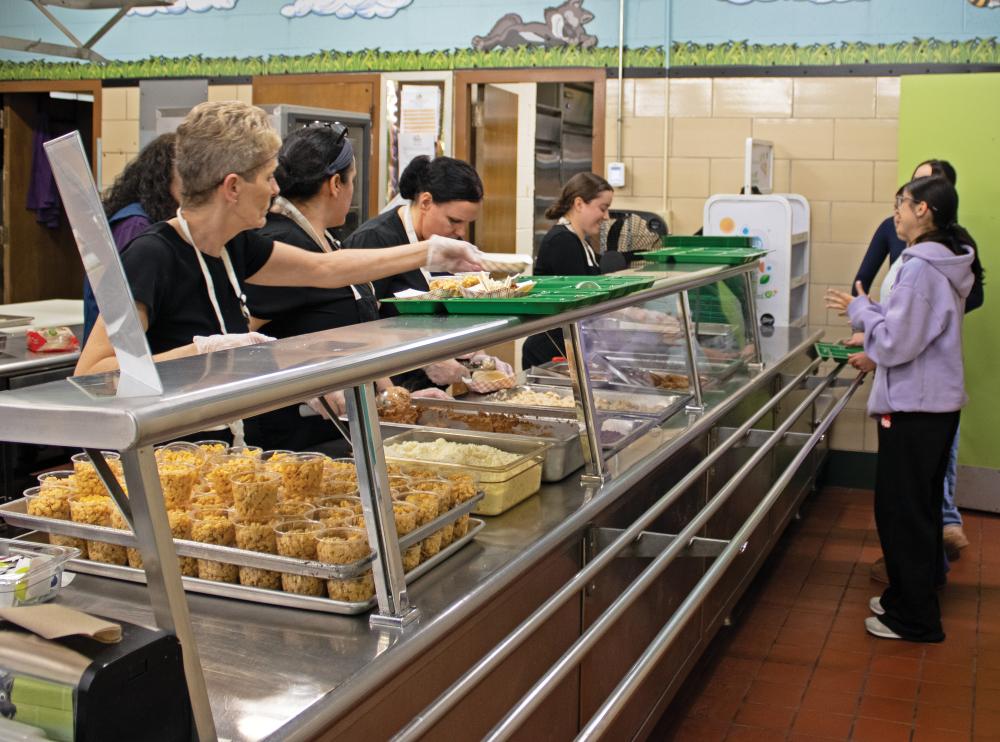 Food service workers dish-up a meal for families on Thursday, April 30. Photos by Abby Van Selous
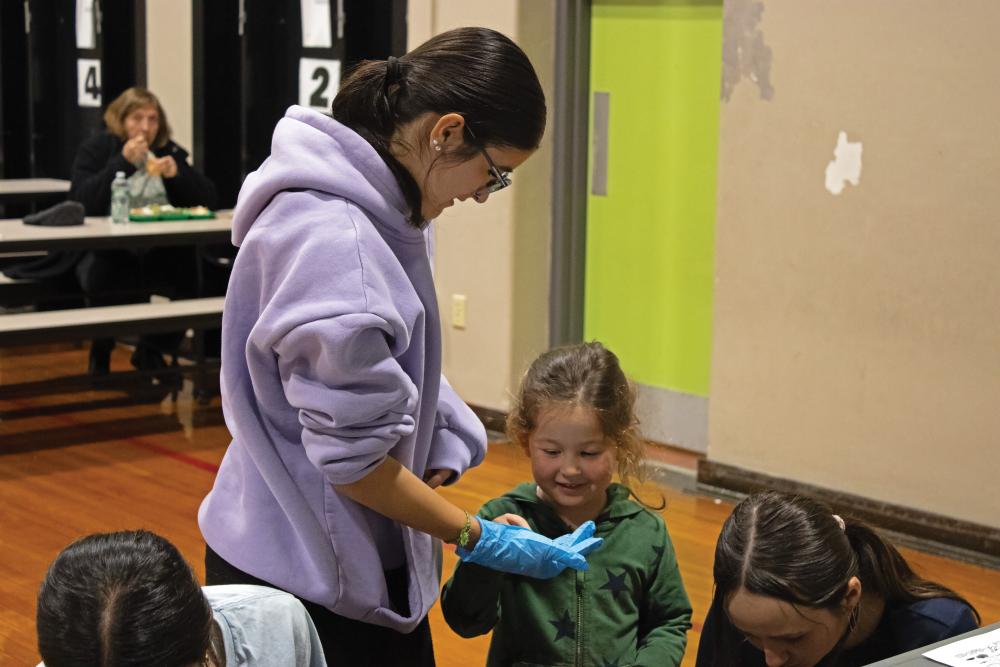 Kaylee St. Pierre-Oliveira shows her sister Jordan Shwartz, 4, some worms.
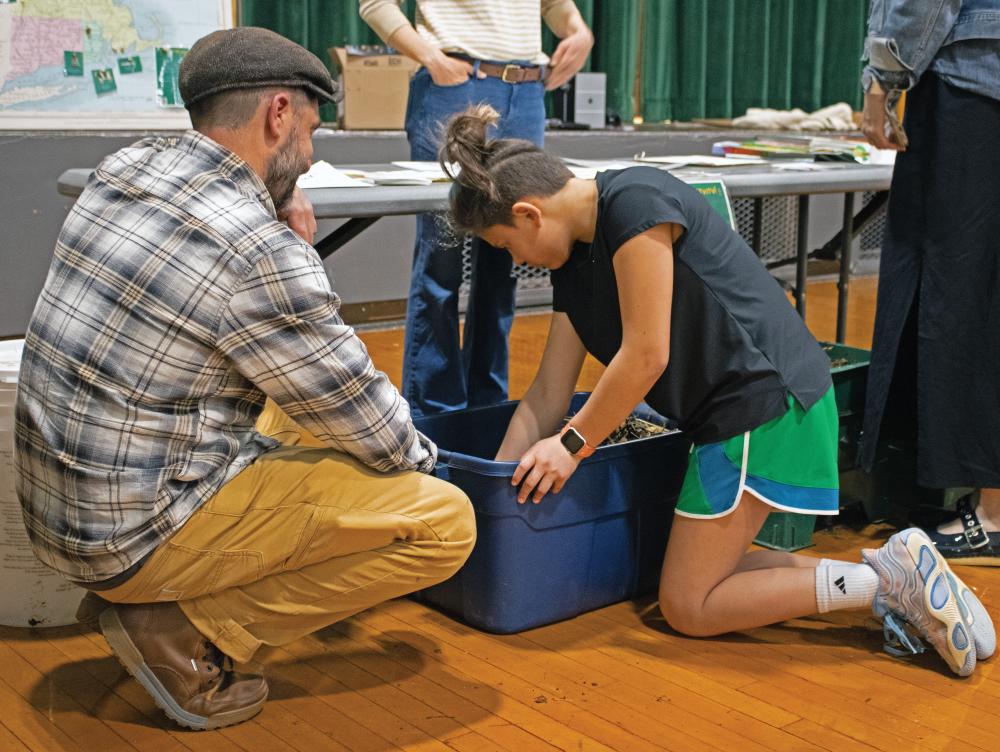 Hallie Fredette, 10, digs through dirt looking for worms with Peter Zine, the education manager at Round the Bend Farm.
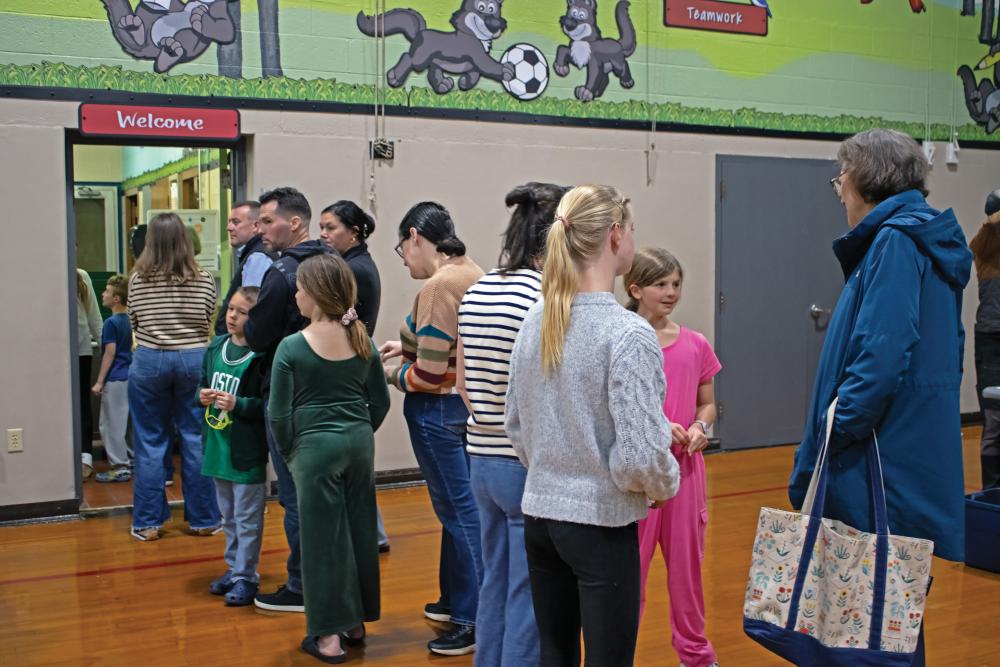 Families line up for dinner.
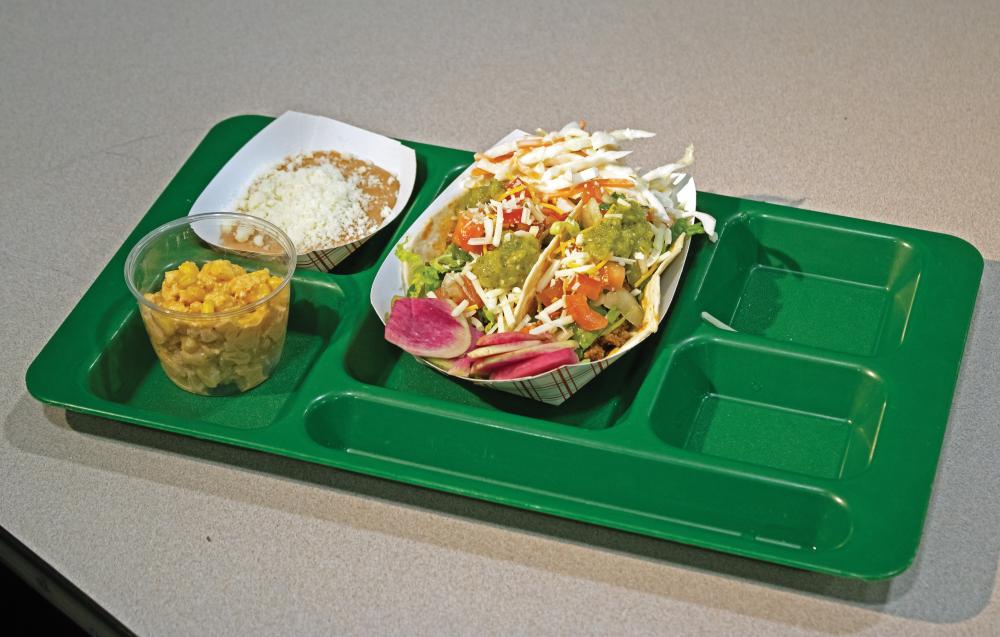 The meal consisted of three different types of tacos, street-style corn and refried beans.
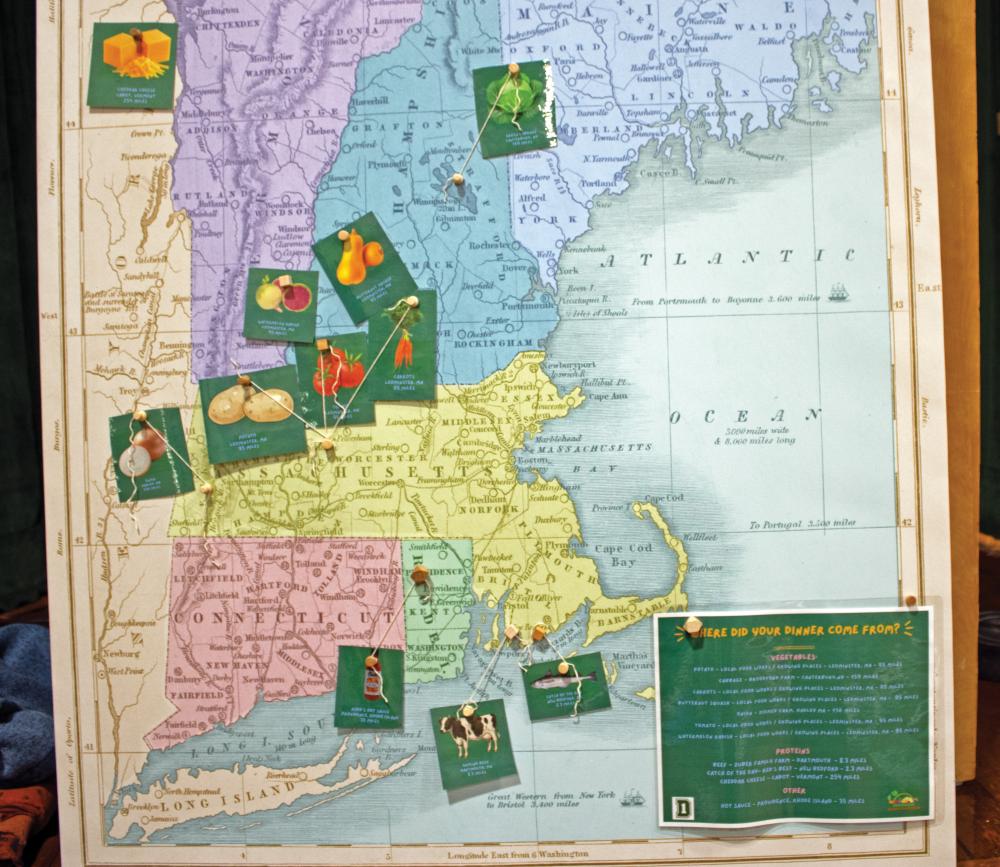 The food comes from local farms and elsewhere in New England.
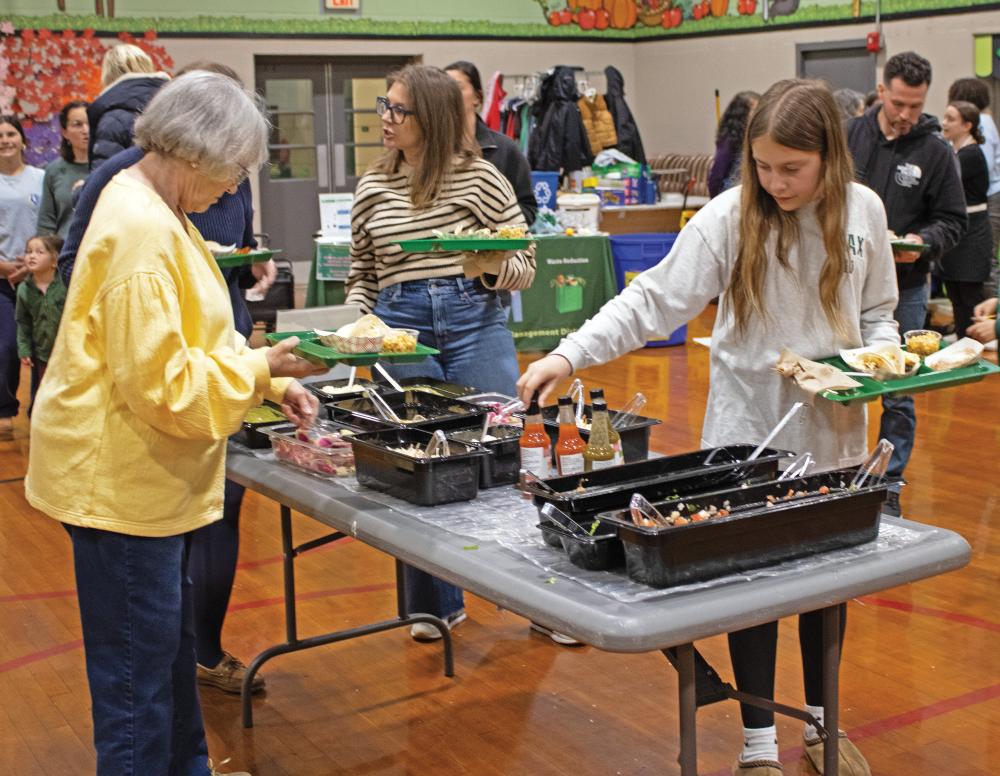 Getting vegetables and taco toppings.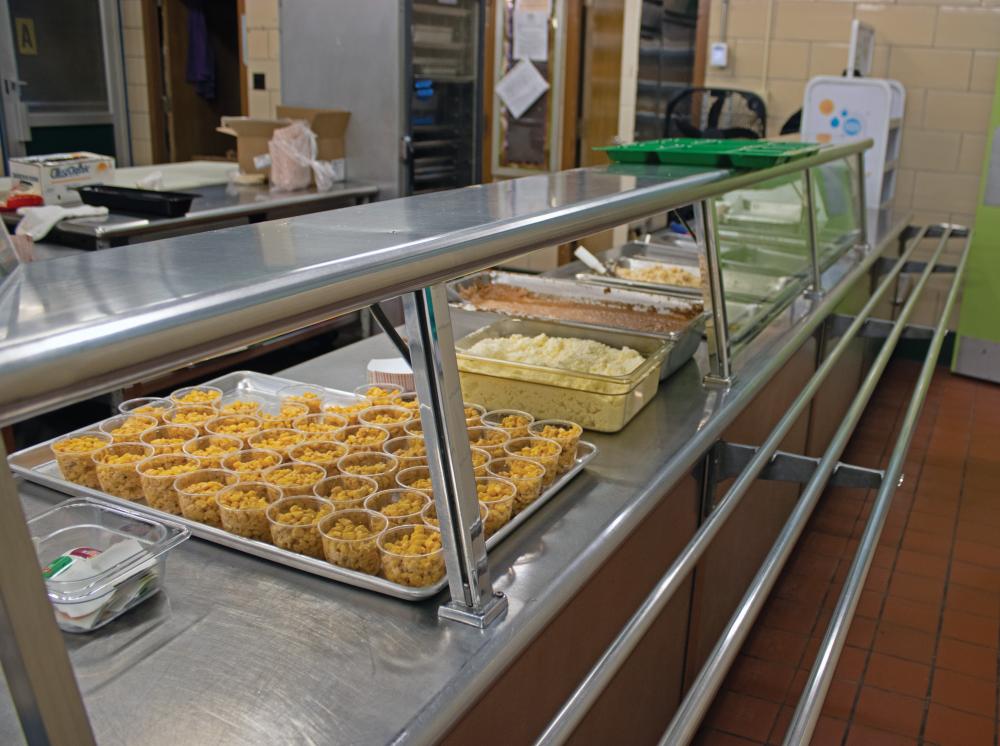
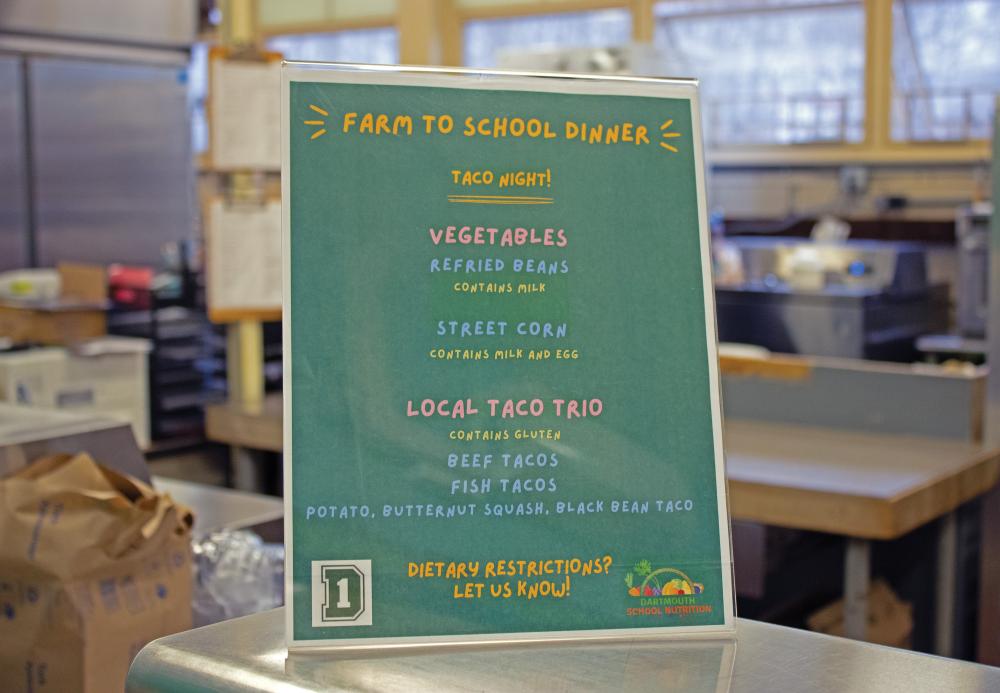 The menu offerings.
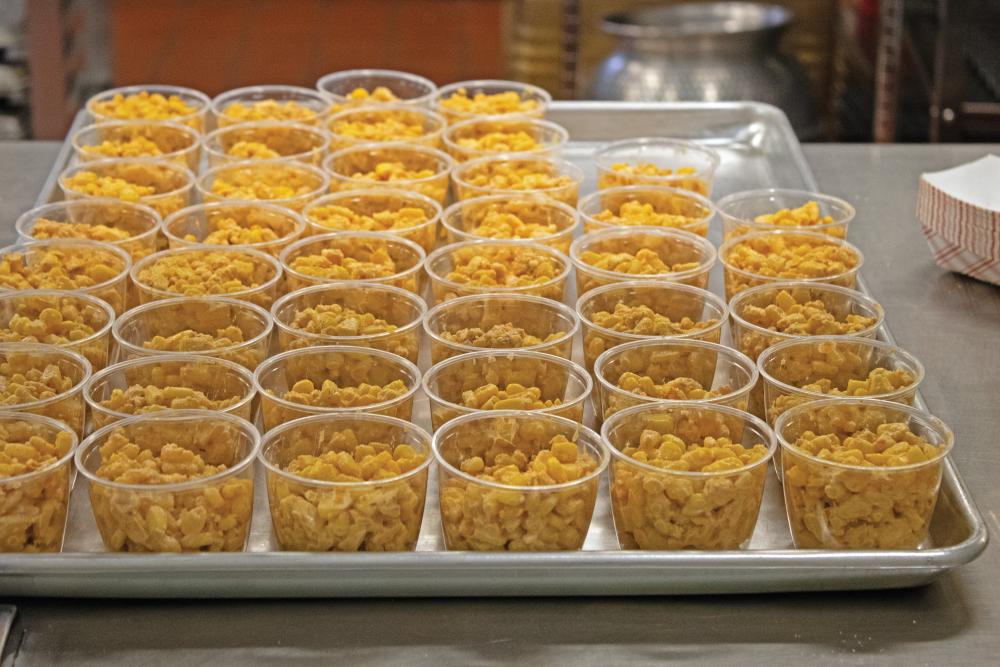 A close look at the street-style corn.
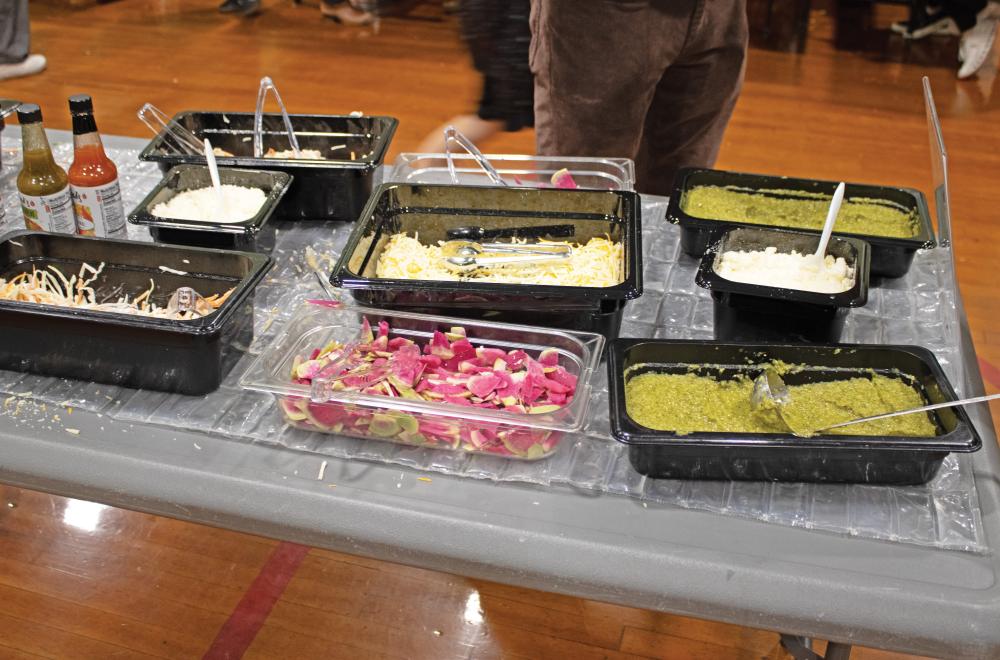 An array of sides and toppings.
Food service workers dish-up a meal for families on Thursday, April 30. Photos by Abby Van Selous
Kaylee St. Pierre-Oliveira shows her sister Jordan Shwartz, 4, some worms.
Hallie Fredette, 10, digs through dirt looking for worms with Peter Zine, the education manager at Round the Bend Farm.
Families line up for dinner.
The meal consisted of three different types of tacos, street-style corn and refried beans.
The food comes from local farms and elsewhere in New England.
Getting vegetables and taco toppings.
The menu offerings.
A close look at the street-style corn.
An array of sides and toppings.
An array of sides and toppings.
Food service workers dish-up a meal for families on Thursday, April 30. Photos by Abby Van Selous
Kaylee St. Pierre-Oliveira shows her sister Jordan Shwartz, 4, some worms.
Hallie Fredette, 10, digs through dirt looking for worms with Peter Zine, the education manager at Round the Bend Farm.
Families line up for dinner.
The meal consisted of three different types of tacos, street-style corn and refried beans.
The food comes from local farms and elsewhere in New England.
Getting vegetables and taco toppings.
The menu offerings.
A close look at the street-style corn.
An array of sides and toppings.
Students at the DeMello and Cushman schools can expect to see some new menu options next school year as the schools pilot a program focused on providing students food made from scratch.
“One of my big goals is to really transform our school food program so that we’re serving scratch-made meals that’s delicious,” said Cady Molloy, the director of school nutrition, adding that the goal is for the menu to be at least 80% made from scratch.
She noted that while school lunch in Massachusetts is free for all kids, she wants the food to be more than free.
“They’re also amazing and something that kids should want to eat,” she said.
On Thursday, April 30, students and their families visited the DeMello school’s cafeteria to sample some of the food that will appear on the new lunch menu.
The dinner consisted of three tacos — one vegetarian, one beef and one fish — refried beans, street-style corn and a table for toppings and vegetables.
“What we wanted to highlight tonight is that this is what your kids are getting,” Molloy said. “This is not a glorified version — this is what they’ll get.”
The majority of ingredients will also be locally sourced from farms located on the South Coast and in New England. The fish in the tacos, for example, came from New Bedford and the beef came from an area farm.
“I think as a school community, if we can support our food system community, it just strengthens each other,” Molloy said.
During the dinner, Joseph DeMello School Principal Elizabeth Correia walked around to speak with families about the food.
“Families are so excited about the tacos,” she said. “They thought this was the best meal ever.”
She added, “The enthusiasm’s there, and we want kids to go to school and eat yummy, nutritious food. I think parents are 100% on board, and I feel the momentum for what we want to do in the future is all present right here.”
Correia said the district has been talking about food in the schools for “such a long time” and have had families ask when the students will be having more fruits and vegetables and some “different things on the menu.”
DeMello students Annalise and Phoebe attended the dinner to get a sampling of what their new school lunches could look like, calling the food “good” and “super good.”
“I had expectations that I was going to be coming in and there was going to be kind of the food that we had today … but it was better,” Annalise said.
Phoebe added that it was “so much better.”
Molloy noted that the program is being piloted in DeMello and Cushman because they have the smallest kitchens, making the process easier to “logistically roll out newer, higher skilled menus” from a training perspective.
“The enthusiasm in [DeMello] just compels ideas,” she added.
Marissa Perez-Dormitzer, the waste production manager at the Greater New Bedford Regional Refuse Management District, also attended the April 30 dinner, teaching guests how to separate their recyclables, food waste and trash.
“It’s really important to teach the young — to teach everyone — about all the different things that can be diverted from the waste,” she said.
Perez-Dormitzer said that the Refuse District has been speaking with Molloy about implementing a food-based diversion program in the schools.
“We’re so thrilled that Cady is offering this program here today to start to introduce separating out food waste to the students and the families here in Dartmouth,” she said.
Molloy also spoke to the relationship the program the food-from-scratch program can foster with farmers.
“I think it’s such a win-win. When farmers serve their local community and when local communities support their farmers, everybody wins,” she said.
She added, “And, what is better than feeding kids?”