











Artists bring New World art to life in June exhibit
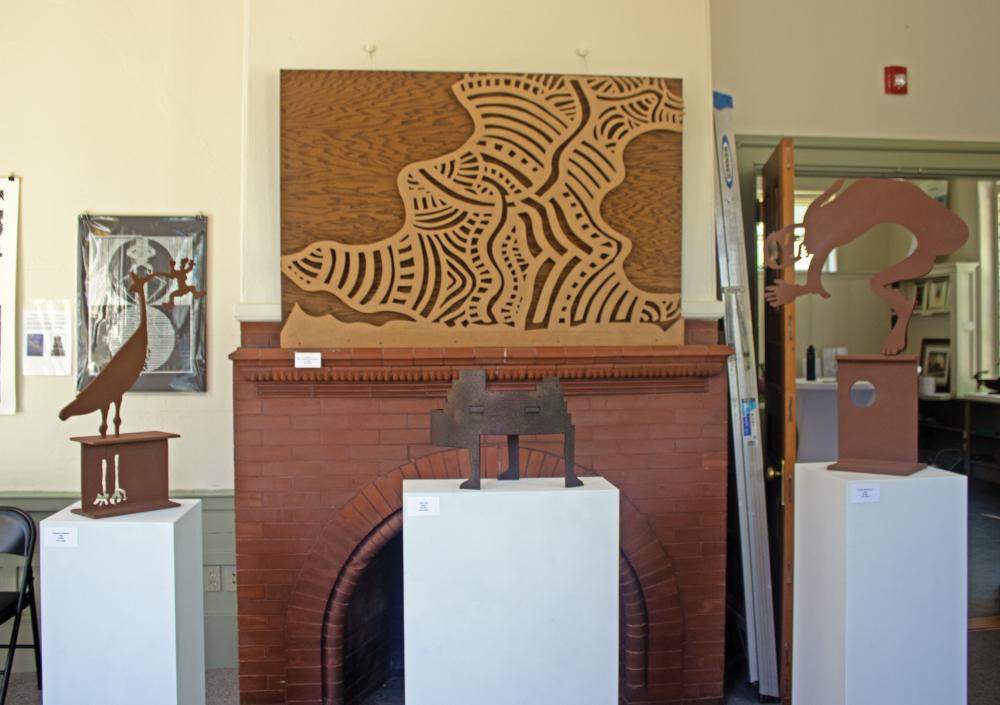 Some of Eric Lintala's sculptures on display in the Dartmouth Cultural Center. Photos by Abby Van Selous
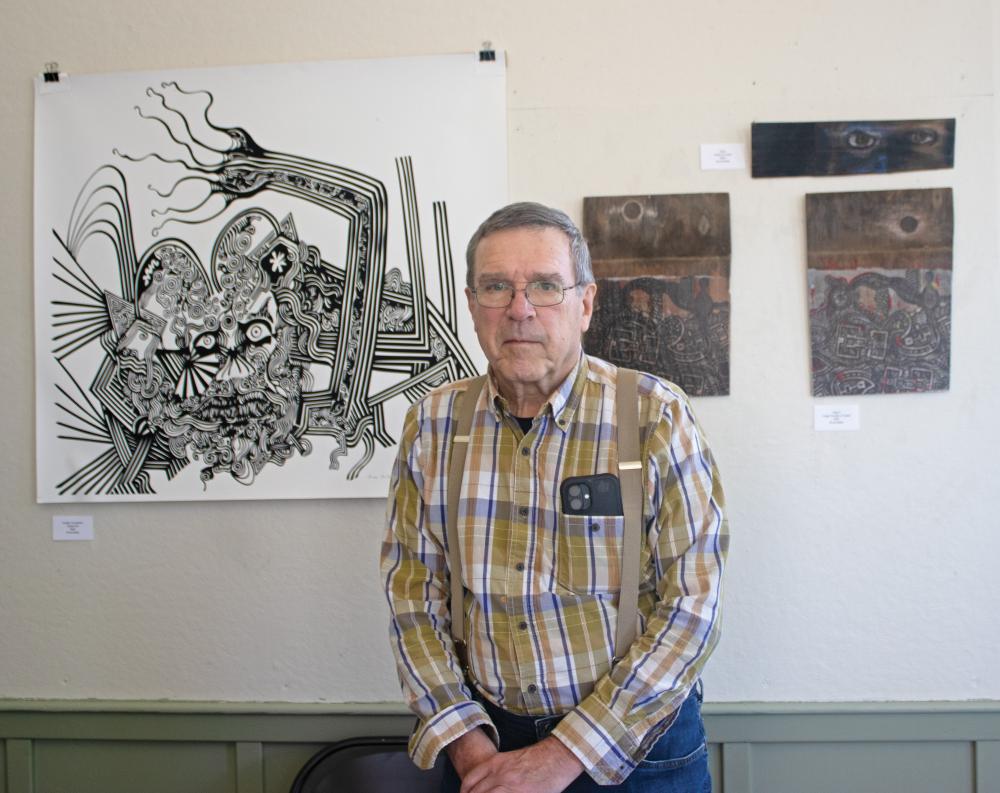 Bruce Bailey with a piece he drew in 1968.
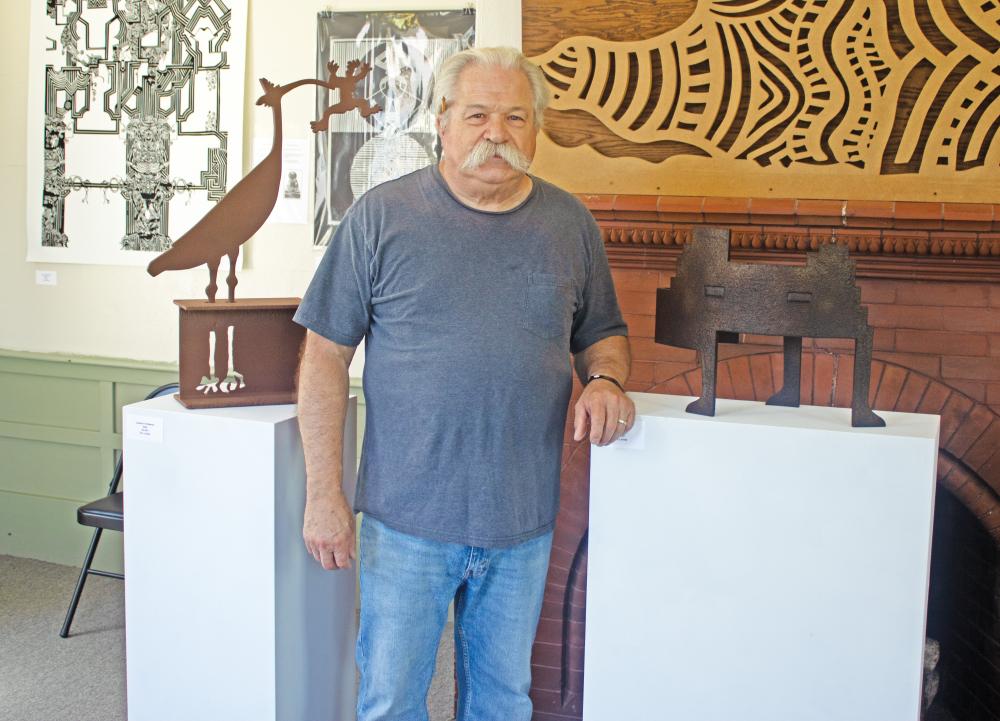 Eric Lintala takes inspiration from petroglyphs he's photographed.
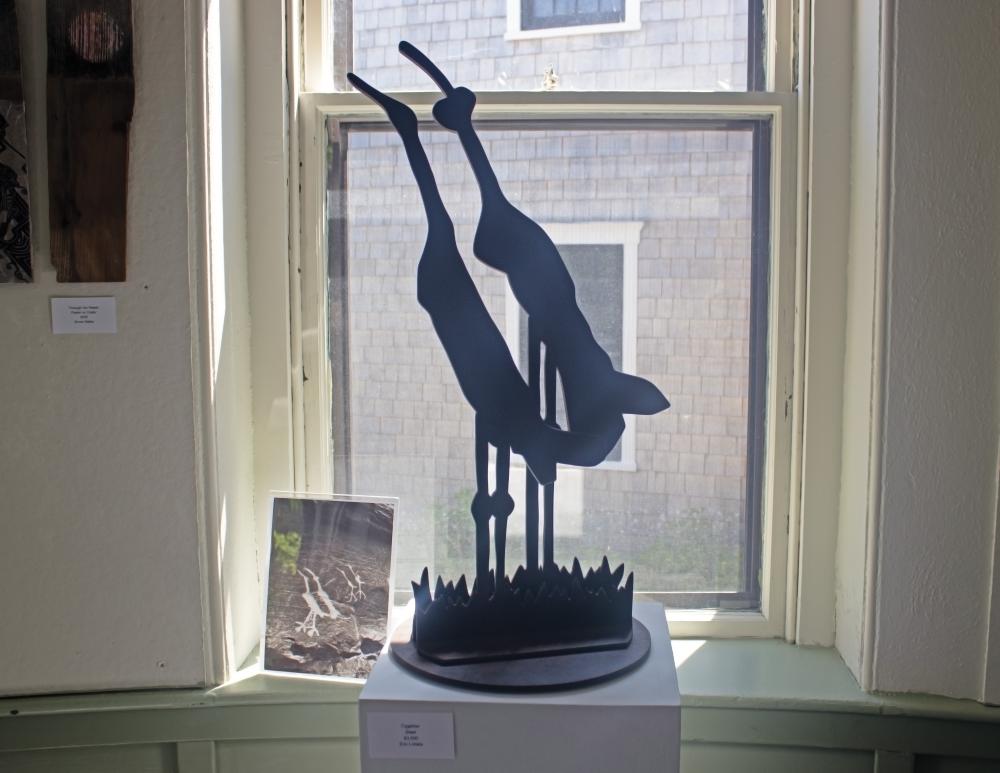 In this sculpture inspired by a petroglyph of two birds, Lintala imagined one to be male and the other female.
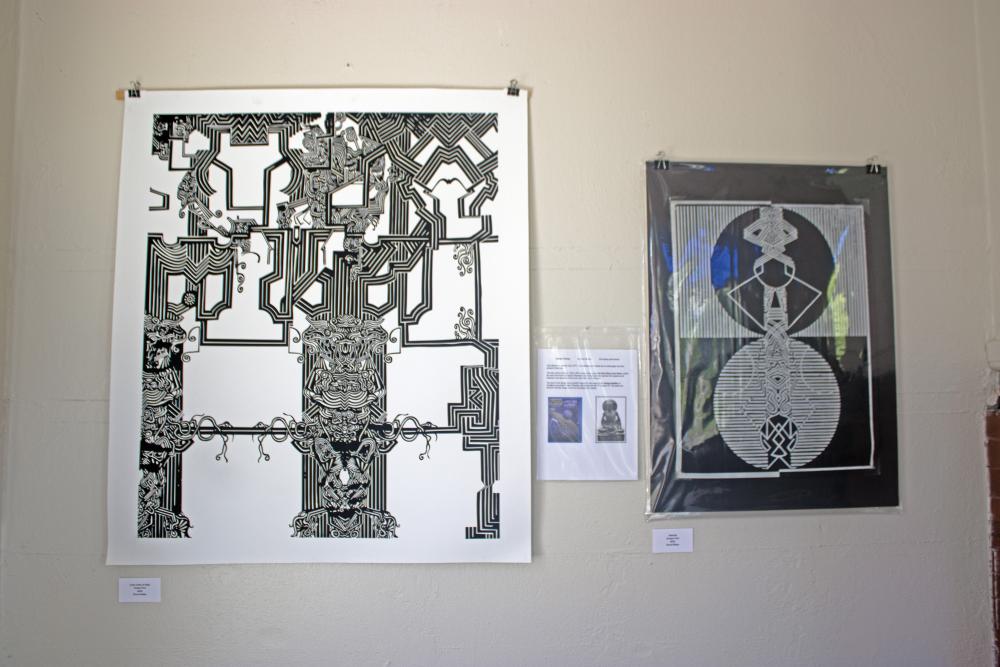 Bailey created the piece on the left in 1969.
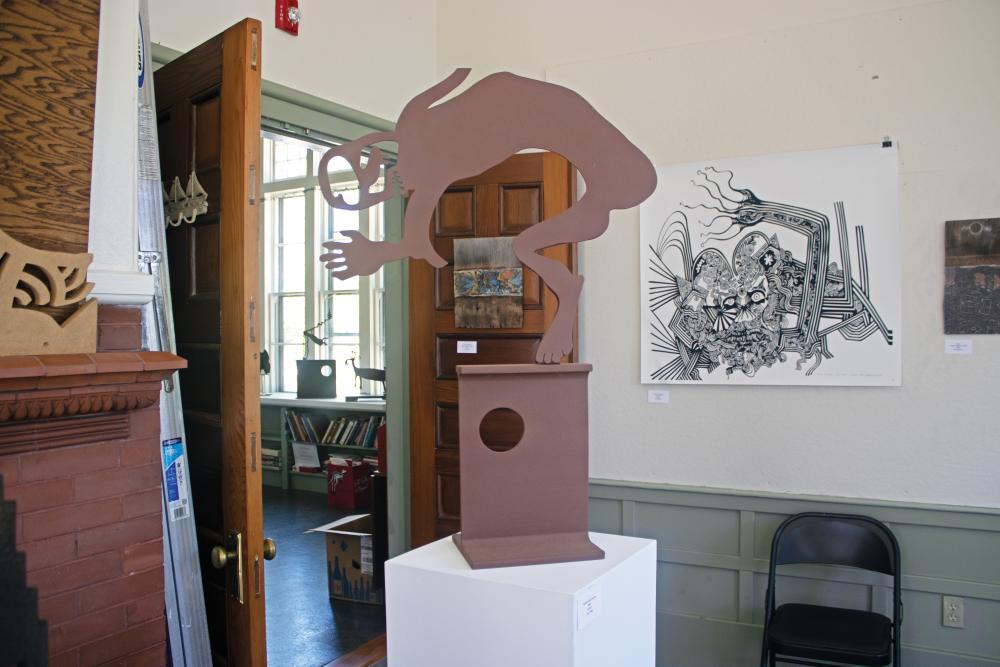 One of Lintala's large statues on display.
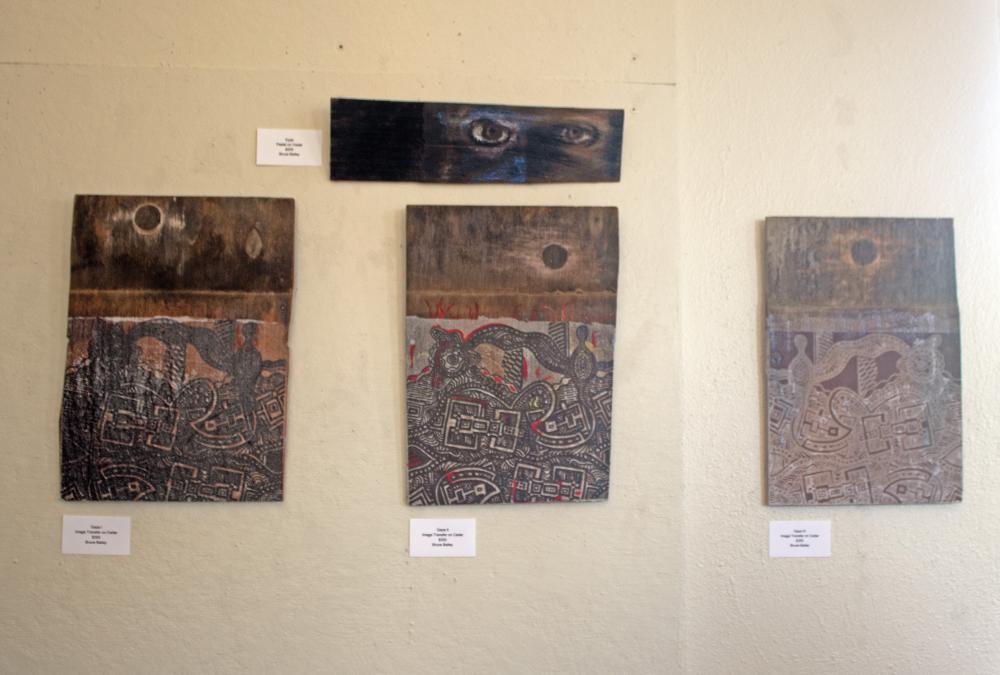 Bailey has started experimenting with using cedar shingles in his art.
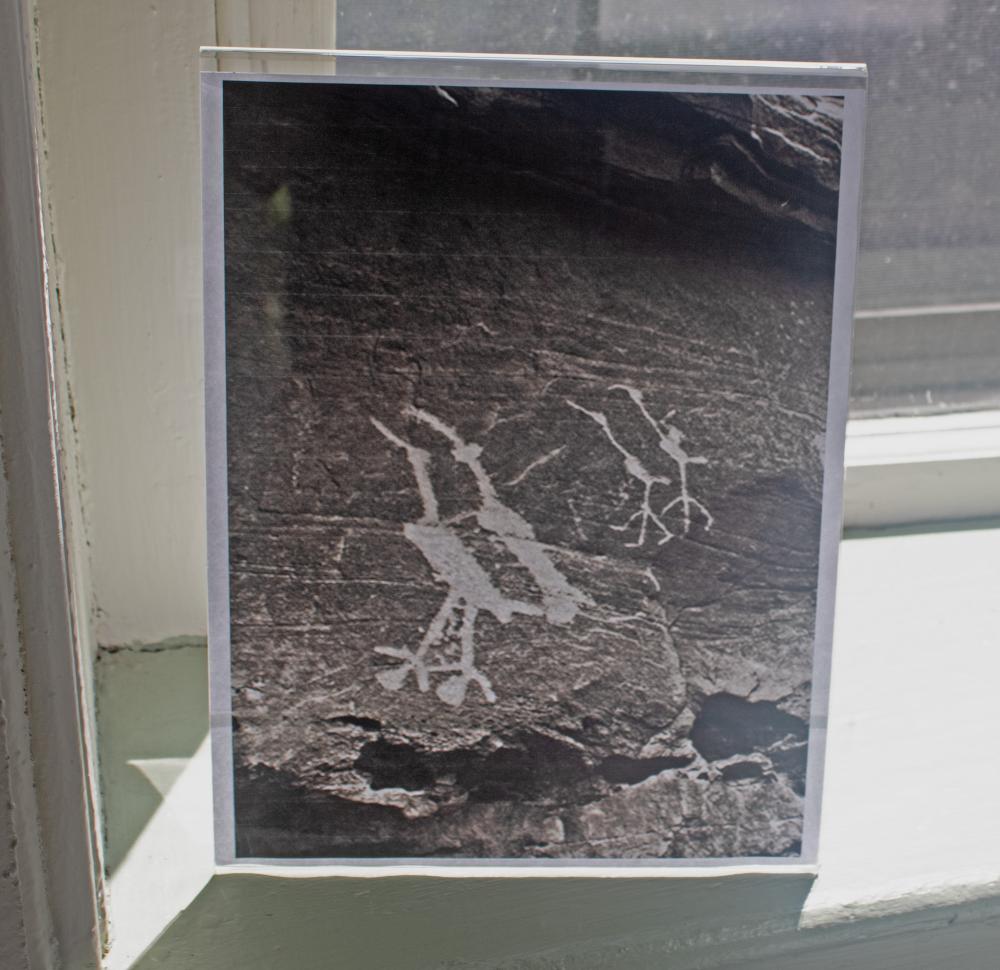 A source of Lintala's inspiration for one of his pieces.
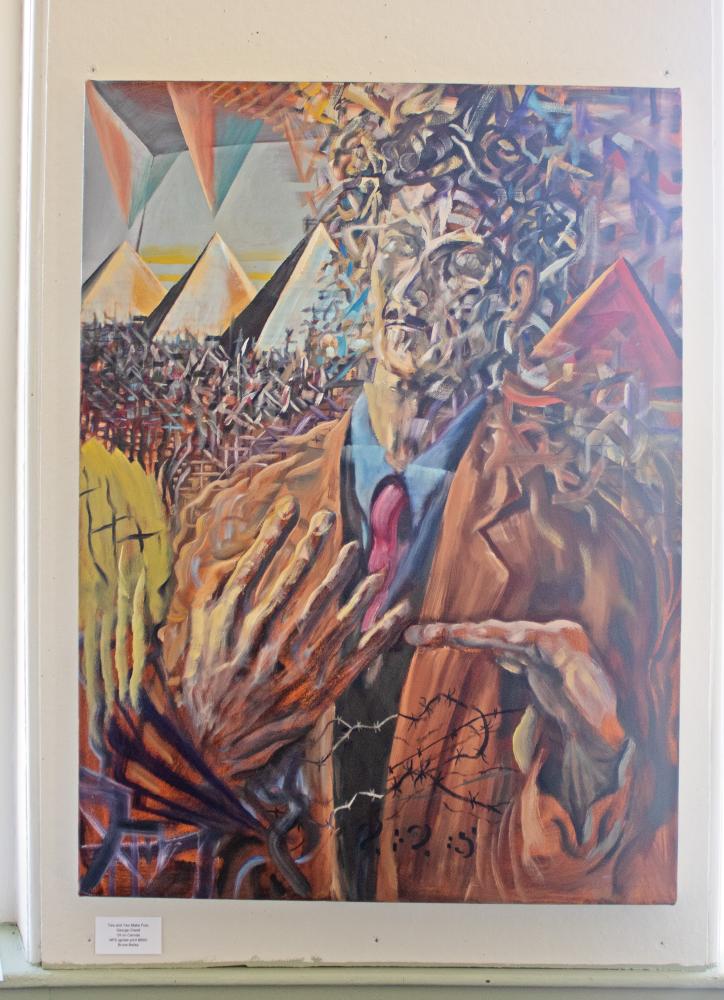 Bailey painted a portrait of author George Orwell, with elements of the painting referencing Orwell's written works.
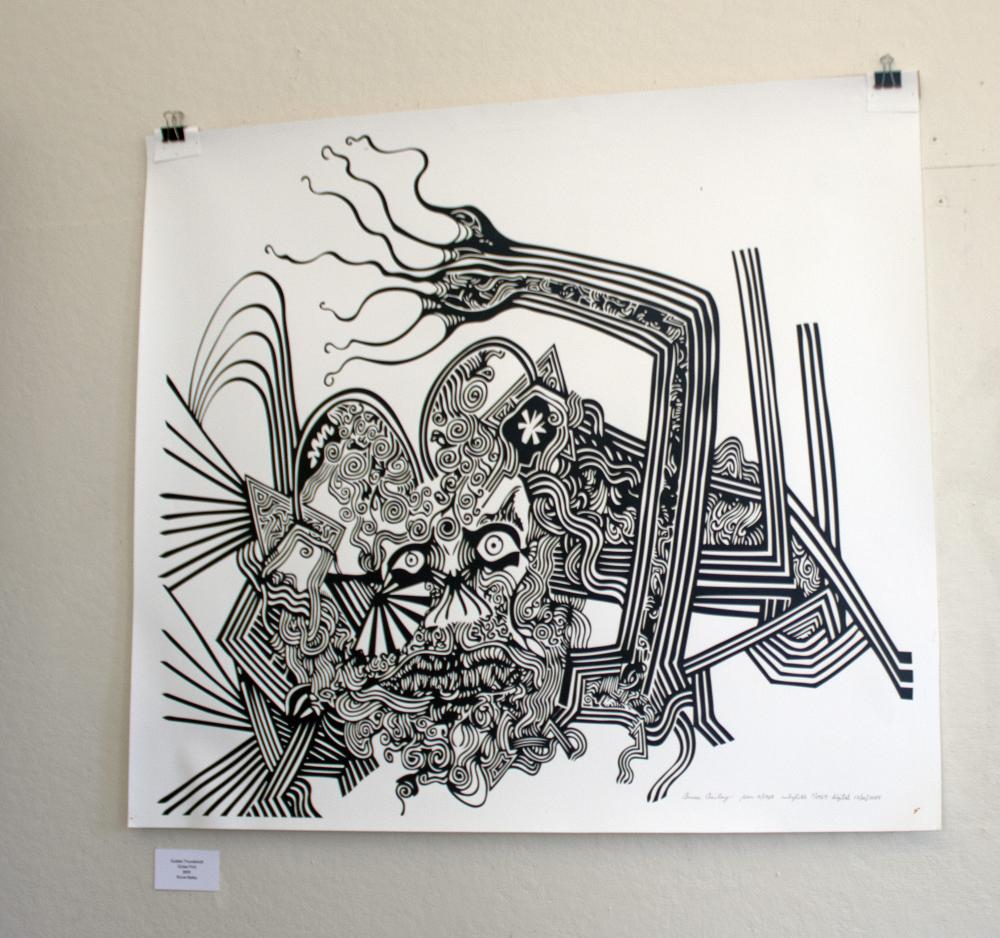 The piece Bailey created in 1968.
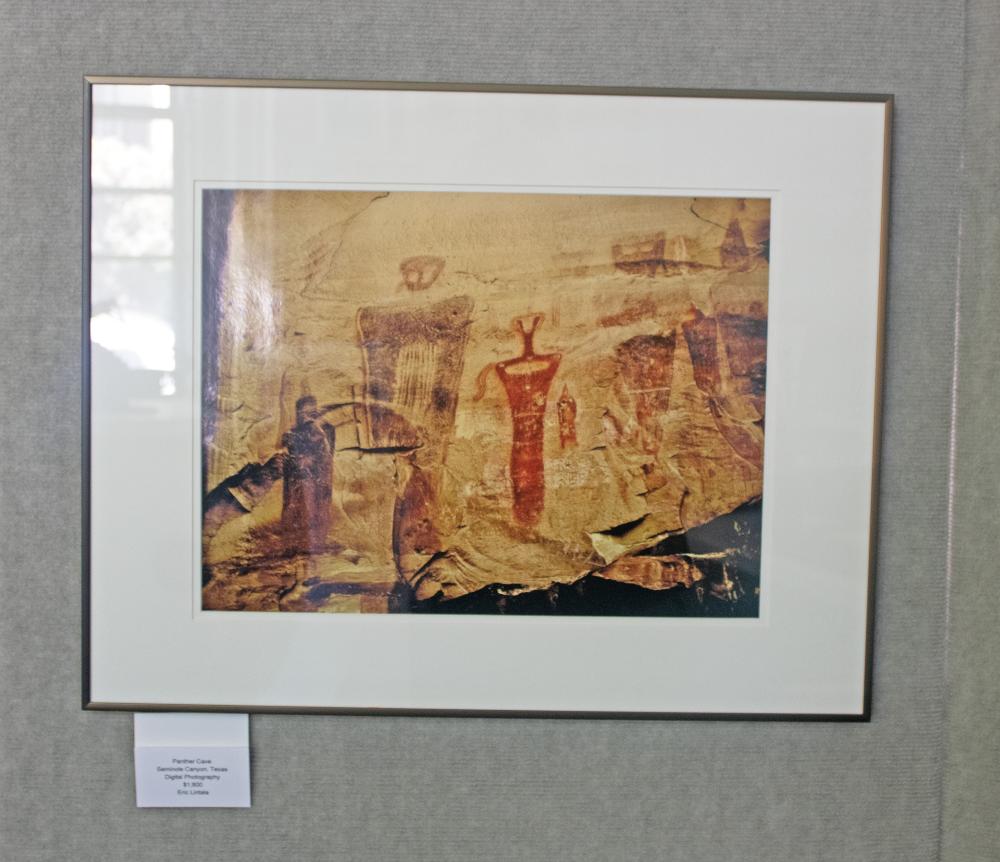 Petroglyphs Lintala photographed.
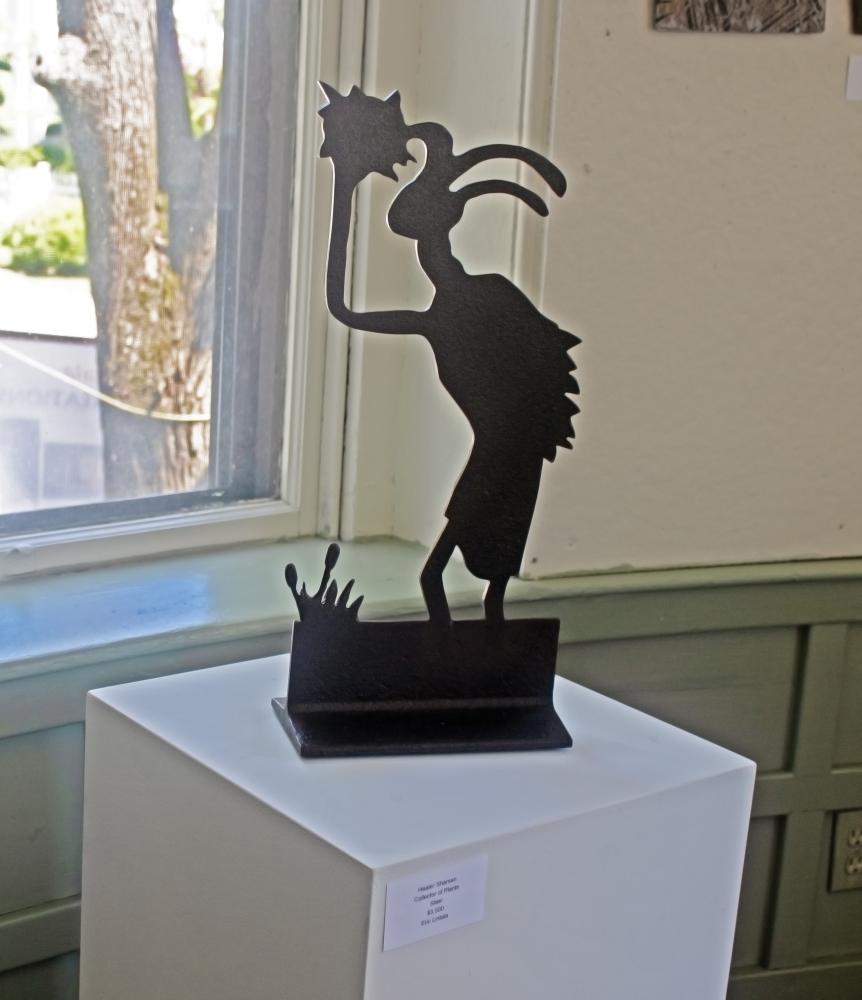 This figure comes from a petroglyph, though Lintala chose to add the splash of water in the bottom left.
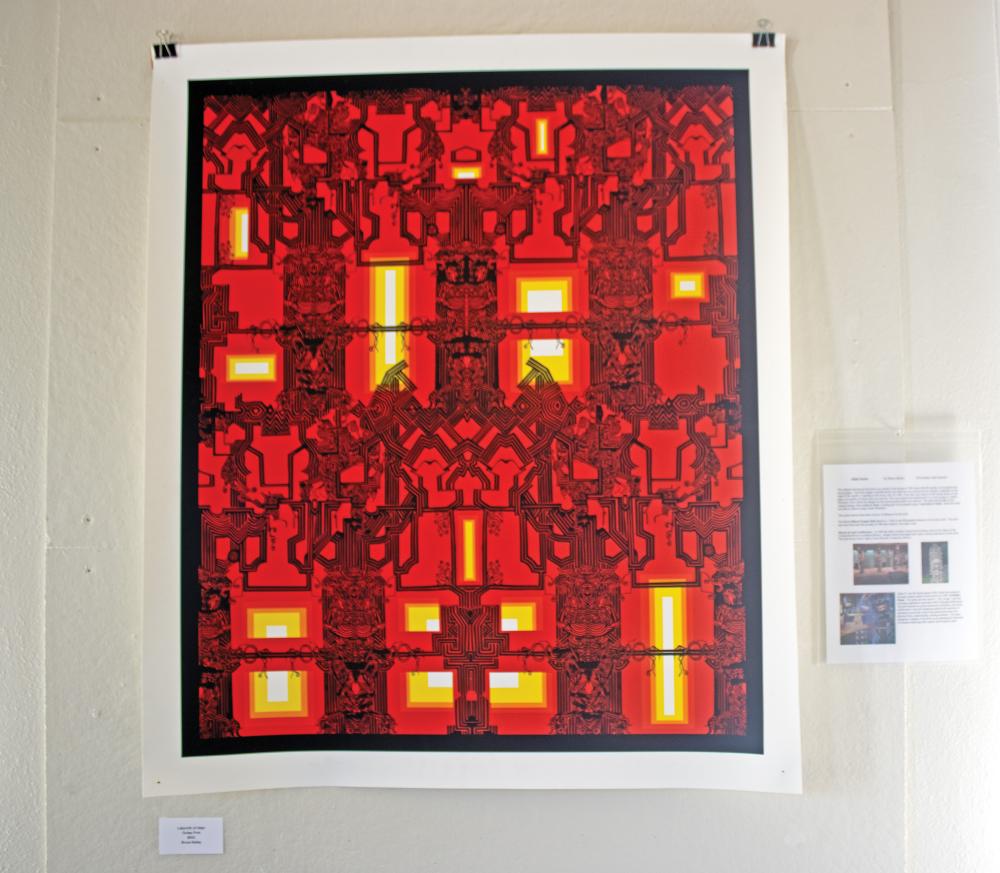 One of Bailey's prints on display.
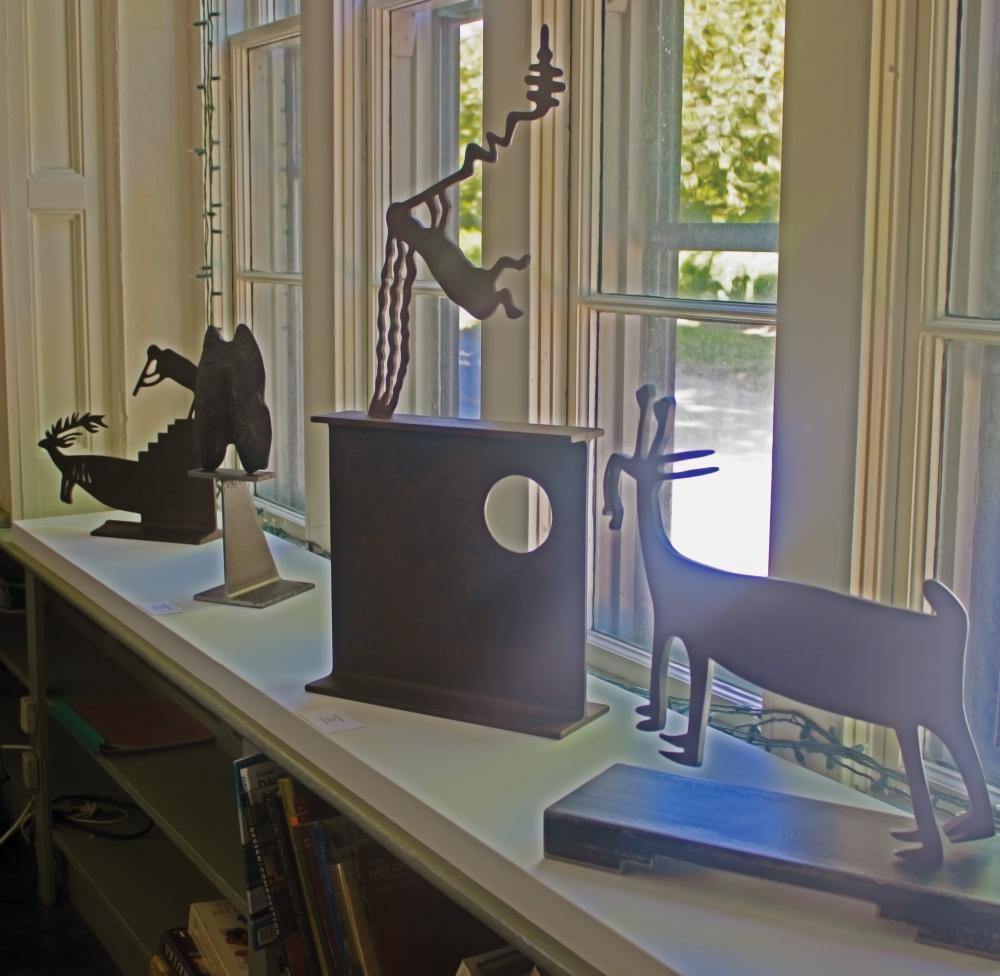 Sculptures on display.
Some of Eric Lintala's sculptures on display in the Dartmouth Cultural Center. Photos by Abby Van Selous
Bruce Bailey with a piece he drew in 1968.
Eric Lintala takes inspiration from petroglyphs he's photographed.
In this sculpture inspired by a petroglyph of two birds, Lintala imagined one to be male and the other female.
Bailey created the piece on the left in 1969.
One of Lintala's large statues on display.
Bailey has started experimenting with using cedar shingles in his art.
A source of Lintala's inspiration for one of his pieces.
Bailey painted a portrait of author George Orwell, with elements of the painting referencing Orwell's written works.
The piece Bailey created in 1968.
Petroglyphs Lintala photographed.
This figure comes from a petroglyph, though Lintala chose to add the splash of water in the bottom left.
One of Bailey's prints on display.
Sculptures on display.
Sculptures on display.
Some of Eric Lintala's sculptures on display in the Dartmouth Cultural Center. Photos by Abby Van Selous
Bruce Bailey with a piece he drew in 1968.
Eric Lintala takes inspiration from petroglyphs he's photographed.
In this sculpture inspired by a petroglyph of two birds, Lintala imagined one to be male and the other female.
Bailey created the piece on the left in 1969.
One of Lintala's large statues on display.
Bailey has started experimenting with using cedar shingles in his art.
A source of Lintala's inspiration for one of his pieces.
Bailey painted a portrait of author George Orwell, with elements of the painting referencing Orwell's written works.
The piece Bailey created in 1968.
Petroglyphs Lintala photographed.
This figure comes from a petroglyph, though Lintala chose to add the splash of water in the bottom left.
One of Bailey's prints on display.
Sculptures on display.
The Dartmouth Cultural Center will be a place of discovery this June, with two artists displaying artwork that take inspiration from the New World, including petroglyphs and Mayan art and architecture.
Bruce Bailey of Dartmouth creates prints and paintings and has been dabbling in creating artwork with weathered cedar shingles for about a year.
Eric Lintala, who lives in East Wareham, has on display steel statues that he designed based on petroglyphs he’s photographed while exploring rock art in the southwest.
“His work is based on petroglyphs and then in the southwest of the US, and my work, to some extent, is based on Mayan art and architecture, so it’s both New World artworks,” Bailey said. “There is a kind of simpatico feel to that.”
Bailey and Lintala, who teaches at UMass Dartmouth, met when Bailey was taking courses at the university.
Bruce Bailey
Fifty-eight years ago, Bailey created a piece of art with inspiration from Mayan art and architecture. Eight later, a print of this piece, along with other prints and paintings, are on display at the Dartmouth Cultural Center.
Bailey created artwork from 1968 to 1979 before taking a 33-year hiatus to focus on his career as an aerospace engineer.
When he retired eight years ago, Bailey dug out his old work and started taking art courses at UMass Dartmouth.
“Initially I didn’t use the stuff from the 70s, but at a certain point it stylistically, or in terms of mannerism, that stuff started to come back in my work, and so now at this point I’ve kind of reclaimed it,” he said.
He added, “I’m using it, and a lot of it had not seen the light of day for years.”
When his older brother was in high school in 1962, he took a trip to southern Mexico, returning with information about Mayan history and culture that’s inspired Bailey since.
“All those names were kind of household names for us because of what my brother had done, and so a lot of my work is based on Mayan art and architecture,” he said.
Bailey’s artwork in the show includes prints of his work from the 70s, cedar shingles that he glued tissue paper he drew on to and portraits of Geroge Orwell, Florence Nightingale and George Cantor.
With the shingles still being a new project, Bailey hasn’t documented his work the way he does for his prints and paintings.
“I’m still trying to figure out what I’m doing, so as I continue to keep working with it, I imagine some themes are going to evolve,” he said.
Eric Lintala
Lintala has been interested in archeology and paleontology ever since he was a kid, but it wasn’t until he started college in the 70s that his interest extended to prehistoric rock art.
Now, he has spent years exploring and researching petroglyphs and rock art and taking inspiration from the art he’s seen for his sculptures, which he makes out of steel.
To create his sculptures, Lintala uses a grinder, a welder and files rather than tools like a laser cutter.
“I need hands on,” he said. “I need to cut that edge and grind it and file and feel it.”
Petroglyphs are images created in a rock surface and date back thousands of years. They can be found in many parts of the world, though Lintala’s favorites can be found in the southwest.
Lintala noted that while researchers are trying to determine the meaning behind the carvings, “it’s obvious nobody really knows what any of it meant.”
“You can understand some of the symbolism where there’s a sunburst if you figure that it had something to do with the sun or the moon,” he added.
He said that he’s trying to understand what the artists were trying to do or say and said that while he’ll “never really figure out,” he’s trying to incorporate the way they communicated into his sculptures.
Some of Lintala’s sculptures come directly from the petroglyphs he photographed while others are his own creation, though with elements similar to the petroglyphs.
In one piece on display at the Cultural Center, Lintala used the head shape from one petroglyph he photographed and put ravens on what may have been the drawing’s arms. In another, he combined a petroglyph of a yucca plant with one of a man, calling the piece Yucca Man.
“I’m just trying to preserve it from their point of view,” he said. “I borrow some of the imagery, add it to my own contemporary materials.”
Bailey and Lintala’s artwork will be on display from Friday, June 5 through Saturday, June 27. The Cultural Center is open Thursday to Saturday from 11 a.m. to 3 p.m.