












Tick talk
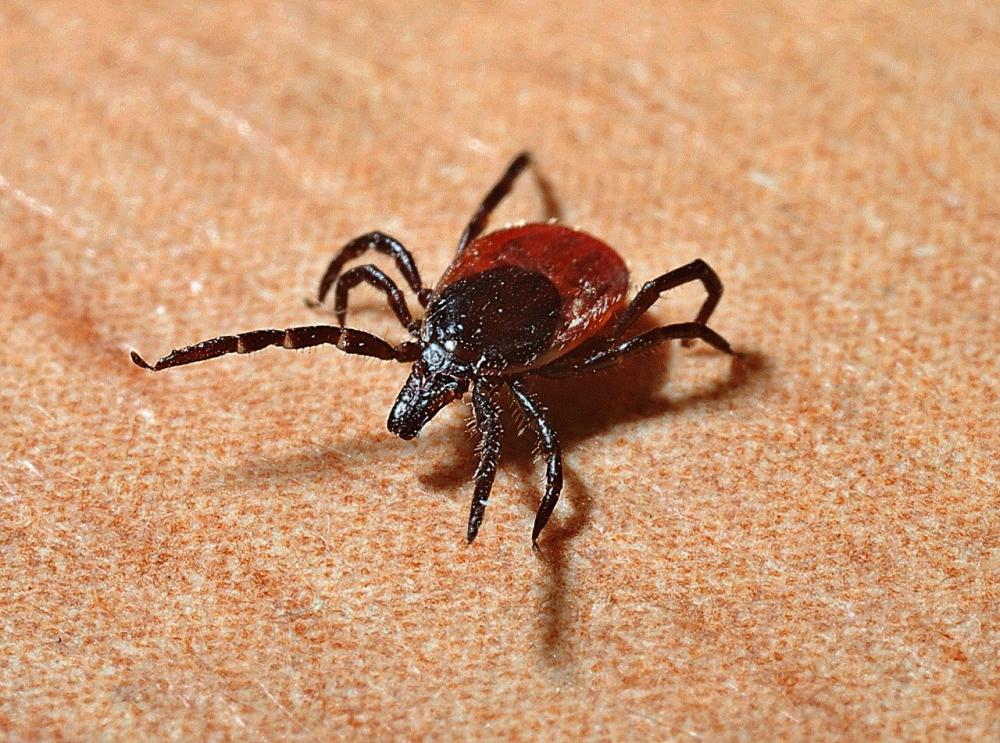
The rate of tick-borne illnesses has been on the rise, with Alpha-gal now infecting Dartmouth residents.
Public health nurse Maura Reimer presented information on the 2025 rates of tick-borne illnesses, with confirmation that the rates are higher in 2026.
The risk for tick bites is from May until the first hard frost, meaning the 2026 rates are still being collected.
From 2016 to 2025, there was a 45% increase in tick illnesses. In Massachusetts, the rate of Lyme disease rose from 4,300 to 8,600 cases.
Bristol County is the county with the third highest rate of tick-borne illnesses in the state.
Reimer stated that cases of granular anaplasmosis and babesiosis are on the rise in Dartmouth.
In 2025 there were; 311 cases of Lyme, 39 cases of anaplasmosis, 42 cases of babesiosis and 2 cases of ehrlichiosis.
These numbers are collected through people reporting symptoms and receiving testing. There is no test to test ticks for Alpha-gal, but some private laboratories can test for other tick-transmitted diseases.
This year, there were three types of ticks found in Dartmouth; dog ticks which can carry Rocky Mountain spotted fever, black ticks that can carry almost all diseases, and lone star ticks which can carry Alpha-gal.
Reimer confirmed that there are more cases this year, including multiple cases of alpha-gal. Alpha-gal can cause an anaphylaxis reaction to red meat and meat byproducts, which can be found in everything from anesthesia, beauty products and fireworks.
Other diseases that have emerged in Dartmouth include Powassan virus and Tularemia.
Ticks in Dartmouth are mostly carried by deers, bringing them around town.
The Center for Disease Control recommends using insect repellents and avoiding areas with bushes and long grasses.
Select Board member Shawn McDonald jokingly recommended opossums as a solution.
“I glibly said possums but … if you see a possum leave them alone, they’re tick eaters,” said McDonald. Select Board Chair Heidi Silva-Brooks added that chickens are as well.