











Daffodils burst into bloom at Parson's Reserve
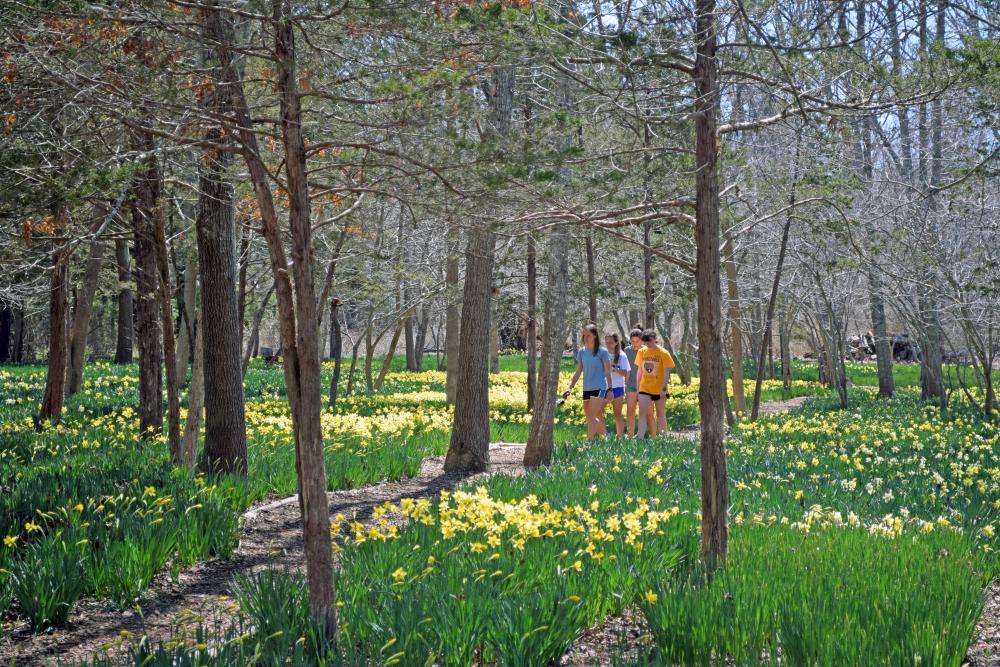 Guests of all ages enjoy wandering the paths. Photos by Kat Sheridan
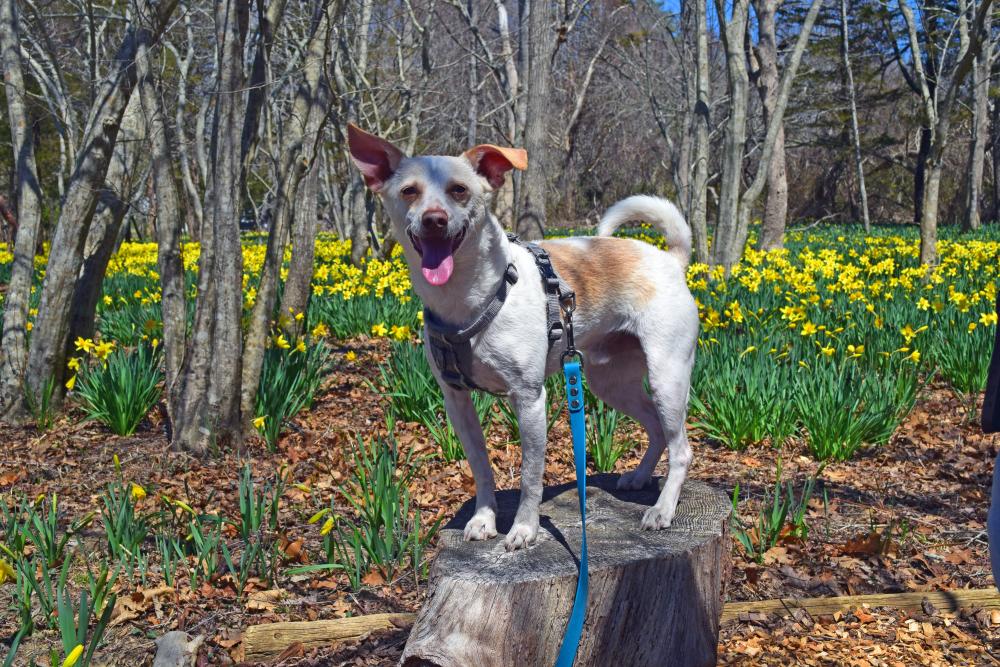 Billy poses in front of the fields.
  Parson's Reserve has been around since World War II.
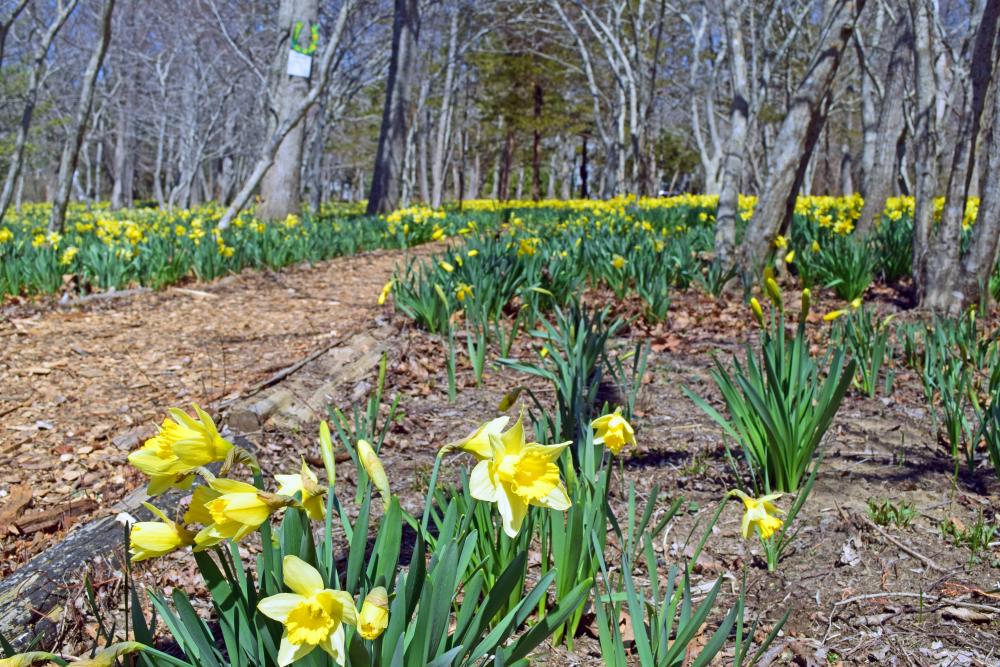
 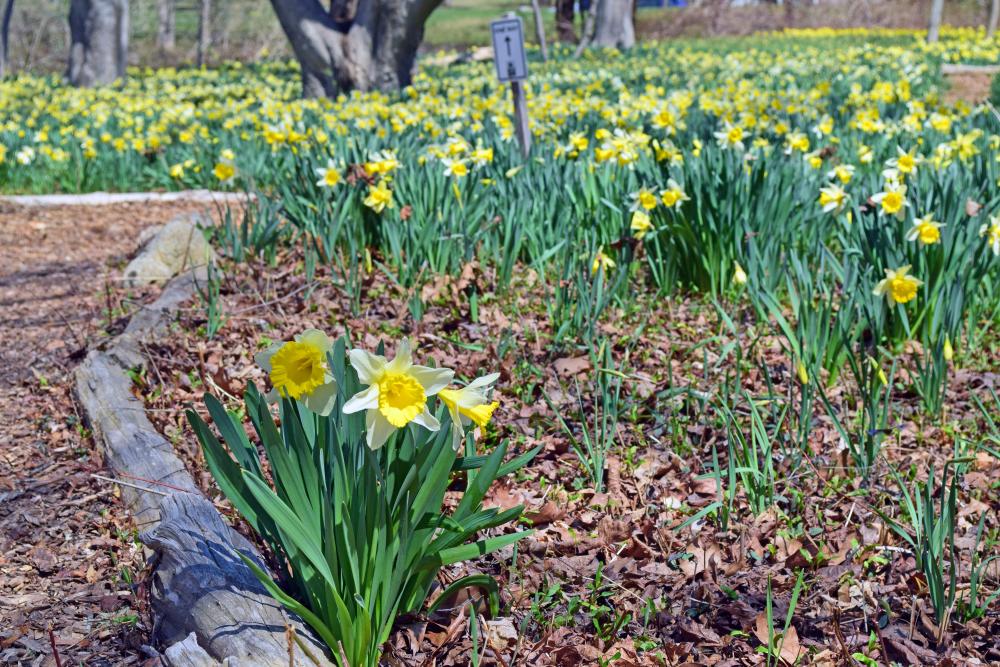 Some of the daffodils grow close to the path.
 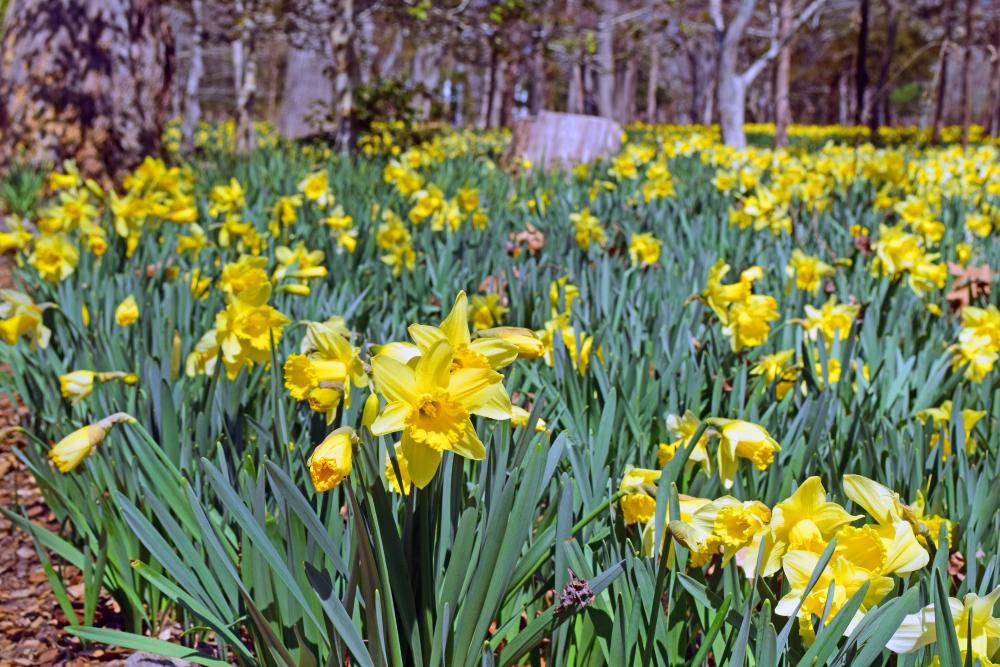 There are 27 varieties of daffodils.
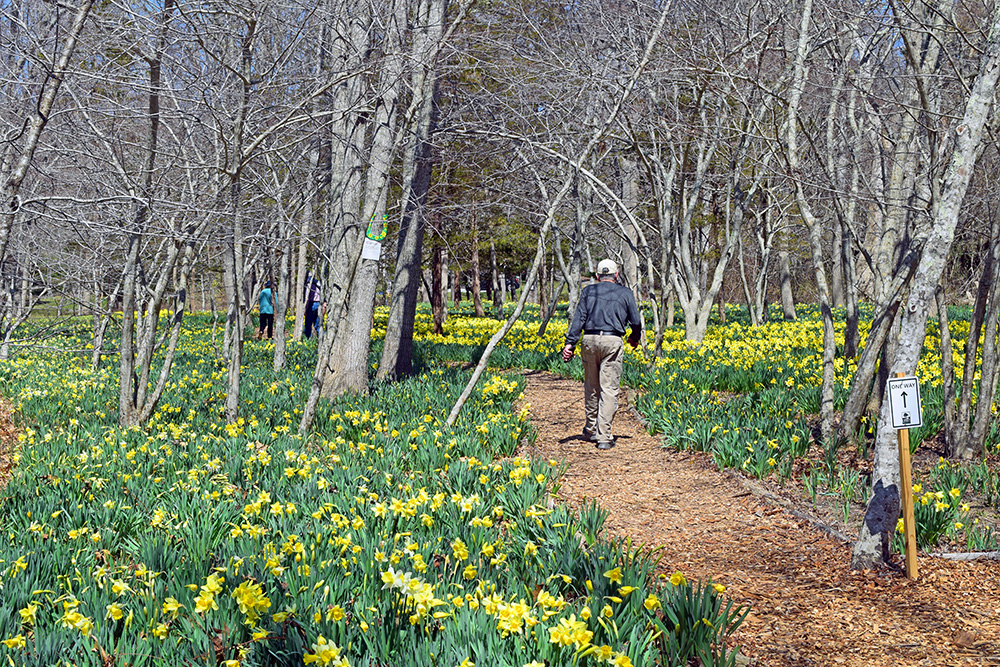 The field will be filled with people once the blooms are fully in bloom.
 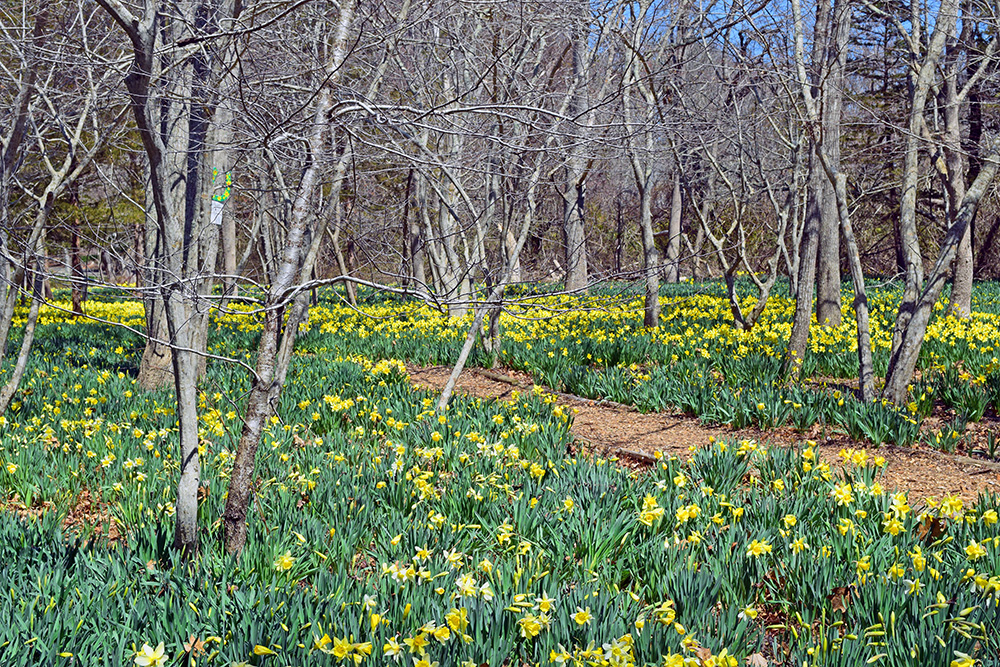 This field will look almost completely yellow in a few days time.
  A section of fully bloomed daffodils.
 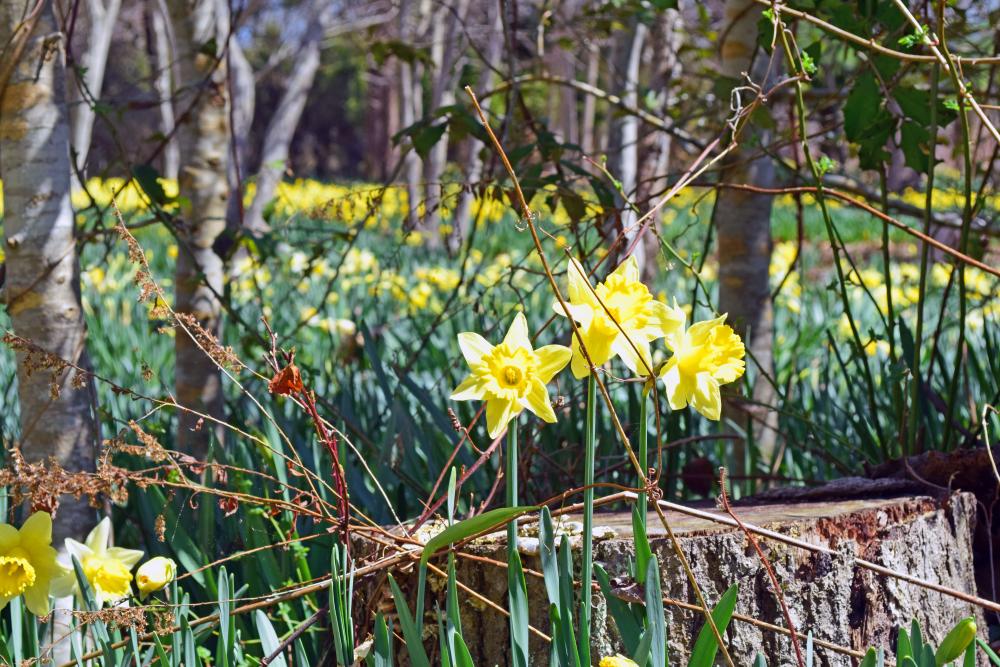 Some of the daffodils are smaller than others.
 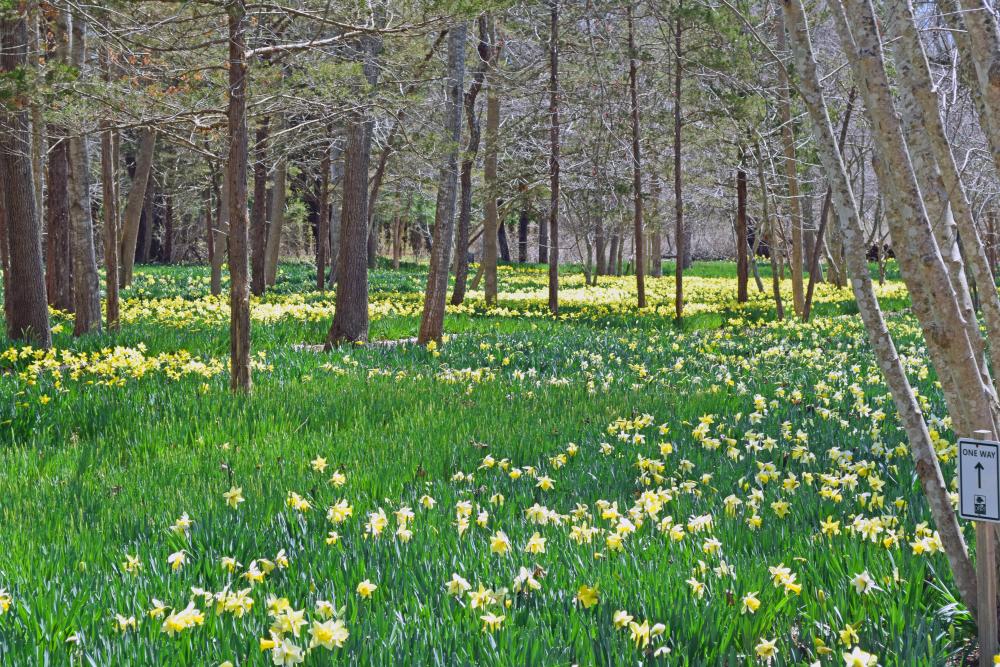 The field stretches for four acres.
 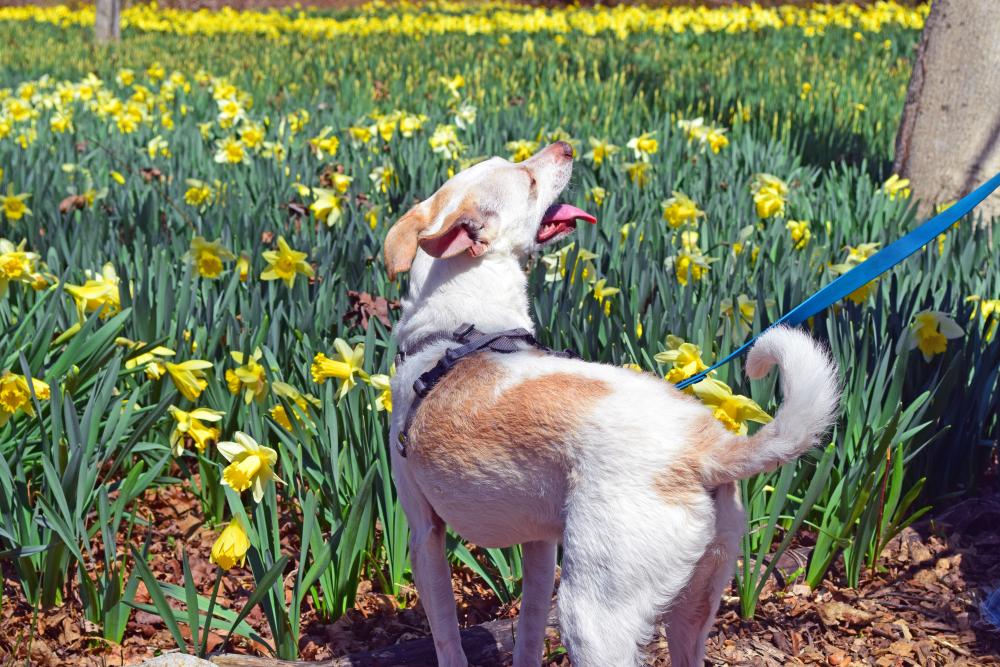 Billy investigates the flowers.
 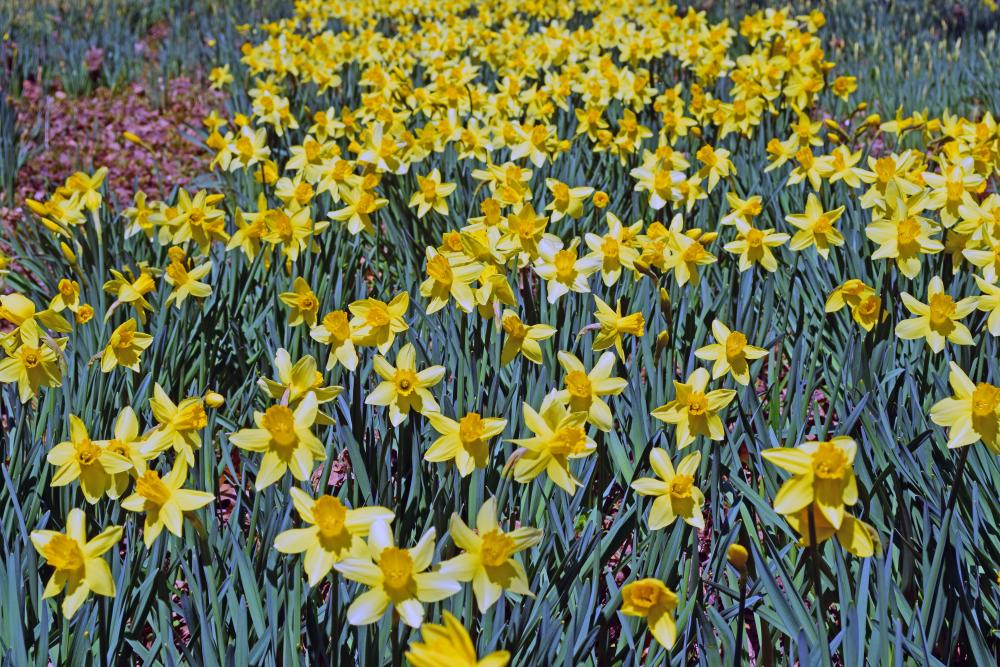 A row of blooming daffodils.
 The preserve covered in yellow flowers.
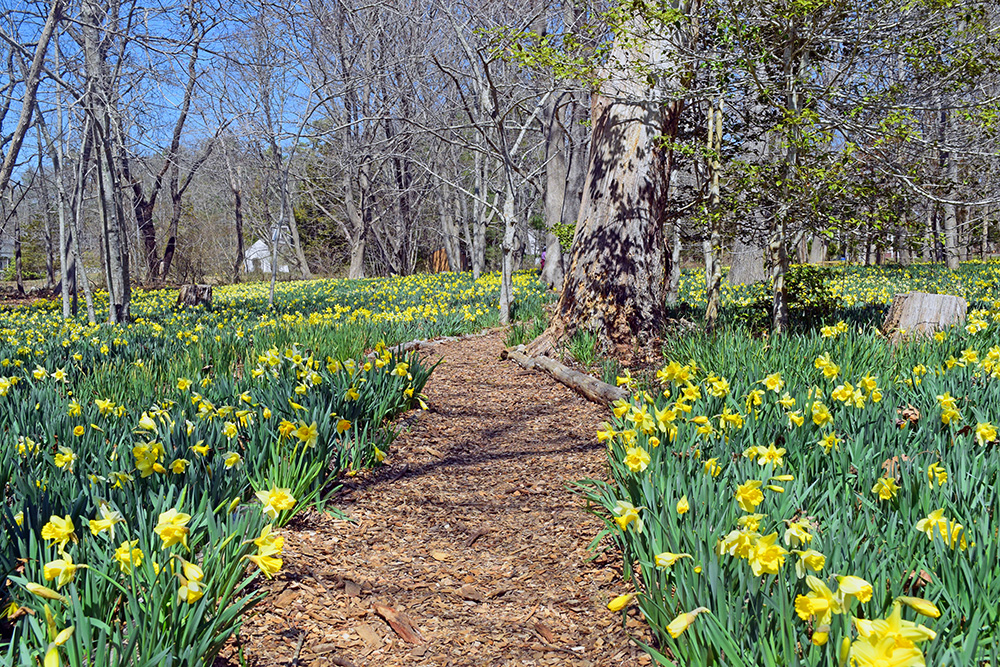 Paths wind throughout the flowers.
Guests of all ages enjoy wandering the paths. Photos by Kat Sheridan
Billy poses in front of the fields.
Parson's Reserve has been around since World War II.
Some of the daffodils grow close to the path.
There are 27 varieties of daffodils.
The field will be filled with people once the blooms are fully in bloom.
This field will look almost completely yellow in a few days time.
A section of fully bloomed daffodils.
Some of the daffodils are smaller than others.
The field stretches for four acres.
Billy investigates the flowers.
A row of blooming daffodils.
The preserve covered in yellow flowers.
Paths wind throughout the flowers.
Paths wind throughout the flowers.
Guests of all ages enjoy wandering the paths. Photos by Kat Sheridan
Billy poses in front of the fields.
Parson's Reserve has been around since World War II.
Some of the daffodils grow close to the path.
There are 27 varieties of daffodils.
The field will be filled with people once the blooms are fully in bloom.
This field will look almost completely yellow in a few days time.
A section of fully bloomed daffodils.
Some of the daffodils are smaller than others.
The field stretches for four acres.
Billy investigates the flowers.
A row of blooming daffodils.
The preserve covered in yellow flowers.
Paths wind throughout the flowers.
Every year, thousands flock to Dartmouth to view the thousands of daffodils that bloom at Parson’s Reserve.
“Daffodils are kind of a big sign of spring, so I think seeing them makes people happy and realize warm weather’s coming or is finally here,” said Kendra Parker, the Development and Outreach Specialist for the Dartmouth Natural Resource Trust.
Parker is estimating that the daffodils will be in bloom starting Saturday, April 18, as the week leading up will be warm. The daffodils are expected to be in bloom for two to three weeks.
According to Parker, the daffodils were planted over 80 years ago by Raymond Petey.
“I used to go in the old days, before they were taken over by the Trust,” said Joan Akin of Acushnet. “It was all fallen trees and dark and sweet and deer. But this is nice.”
The folklore is that the daffodils were planted in 1942 during World War II, when there was an embargo and people in Dartmouth were unable to get daffodils from Holland, so Petey would sell the flowers.
“The war ended, and the flowers remained,” said Parker.
She guessed that Petey was an entrepreneur who was looking for a place to start his own flower farm.
“This is my first time,” said Martha Dutra of Fairhaven, “I love it, it’s awesome. I’ve seen pictures, and nothing does it justice.”
The 32-acre property was donated to the Dartmouth Natural Resource Trust by Bill Parsons in three sections; in 1992, 1999 and 2005.
Parsons was a math teacher in Dartmouth, who moved to Brooklyn. He would pick daffodils from the reserve and try to sell the flowers in Brooklyn.
The field requires upkeep before it’s filled with blooming yellow flowers. The main task for members and volunteers is to re-plant daffodils from the paths to the general field, so the paths are clear and the fields are full. They also lay down fresh woodchips and clear the paths.
Parker said the field is unique for a number of reasons; this isn’t like many other flower fields where guests can go and pay to pick flowers. The flowers are there for guests to enjoy their beauty.
“There’s not many places where you can take a hike and be in the middle of the woods and then stumble across the flower fields,” said Parker, “So it’s really unique in that sense.”
Last year, the reserve went “viral” online after a woman made a video talking about the beauty of the field. Parker said they usually have about 14,000 visitors but skyrocketed to 20,000 after the video went viral.
They ask for a $5 donation to visit the field. The flowers are a steep hike, so the path is not ADA accessible. This means they are not recommended for strollers or wagons either. There is limited parking so Parker recommends carpooling.