











Dartmouth man celebrates 102 birthday
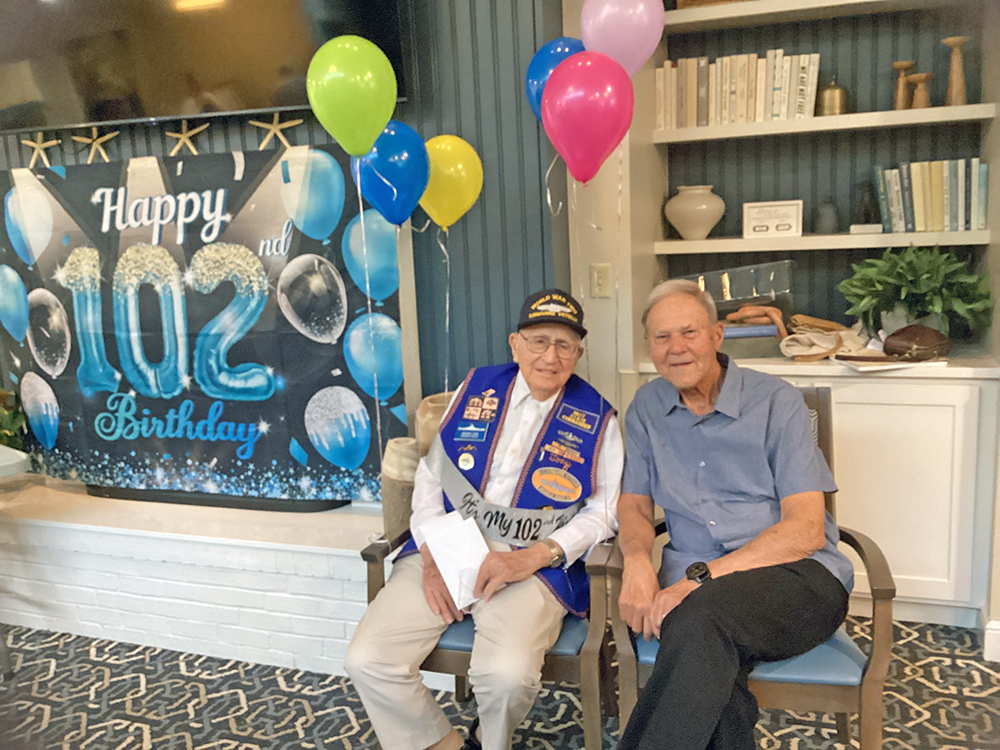 Enos and Tom at his birthday party. Marjorie Roche
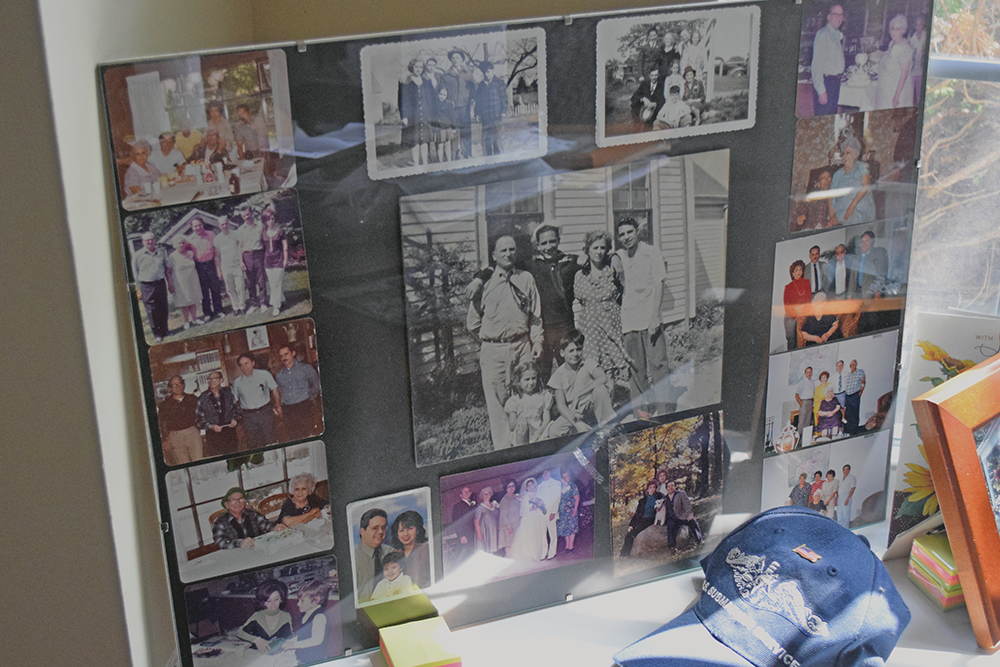 Pictures of Enos and his family growing up. Photos by Kat Sheridan
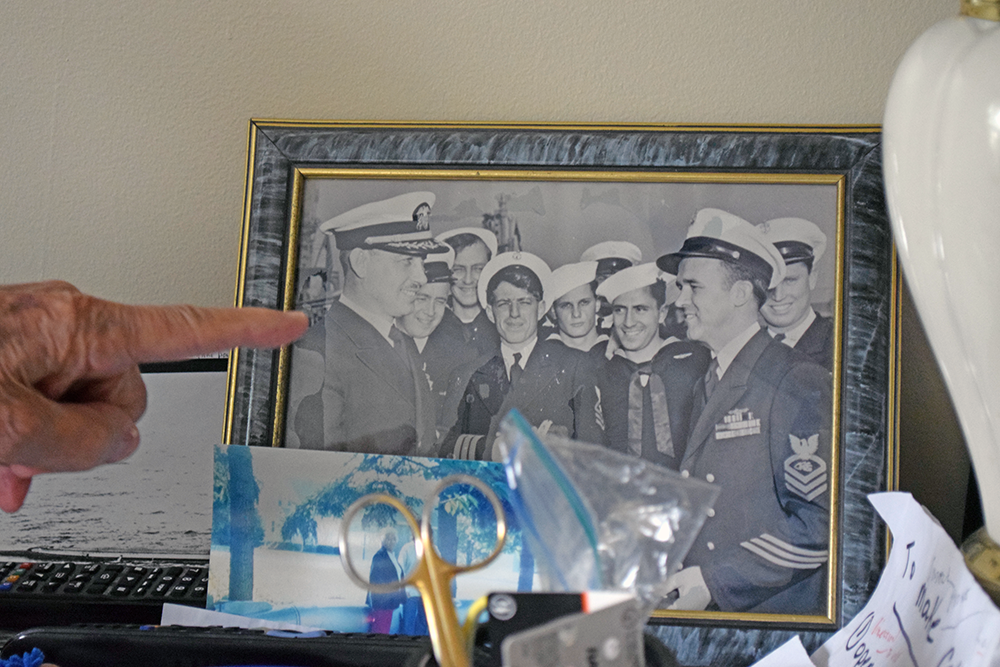
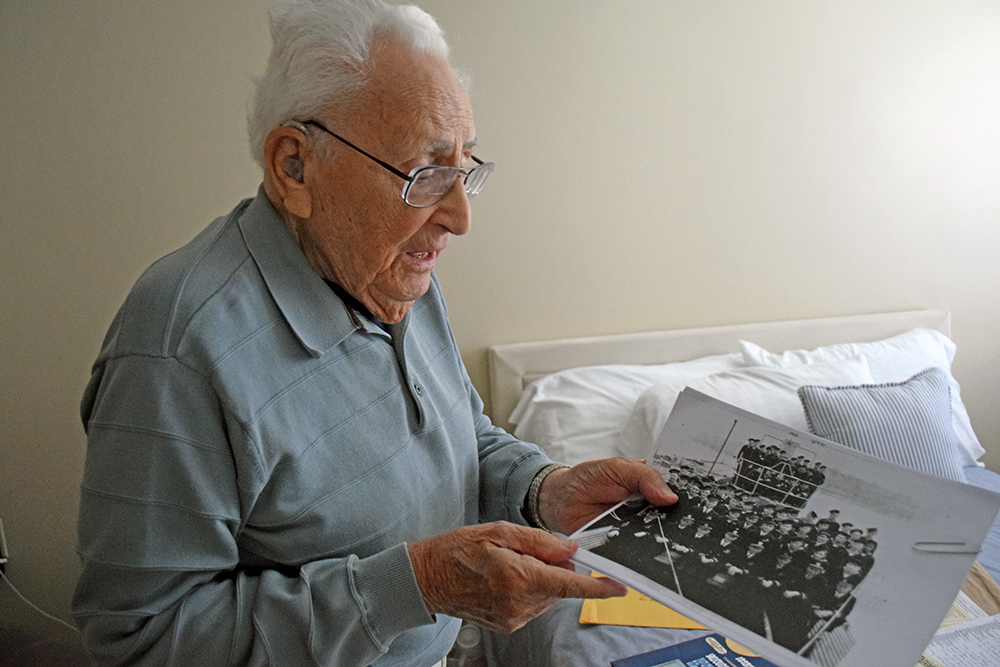 Enos shows a picture of the crew he was with.
 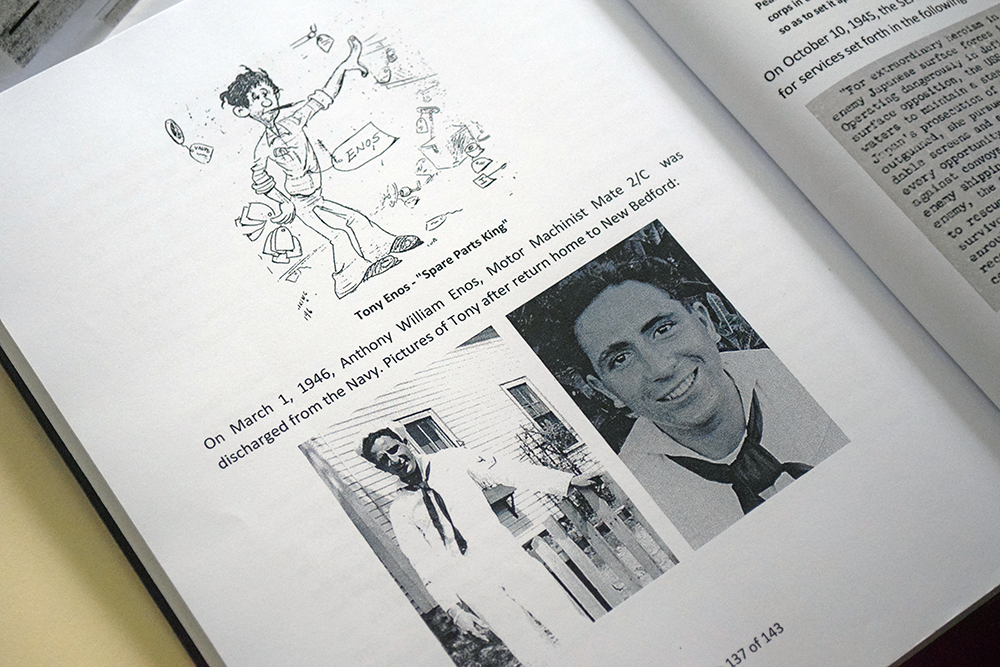 A cartoon drawn by another person on the submarine.
 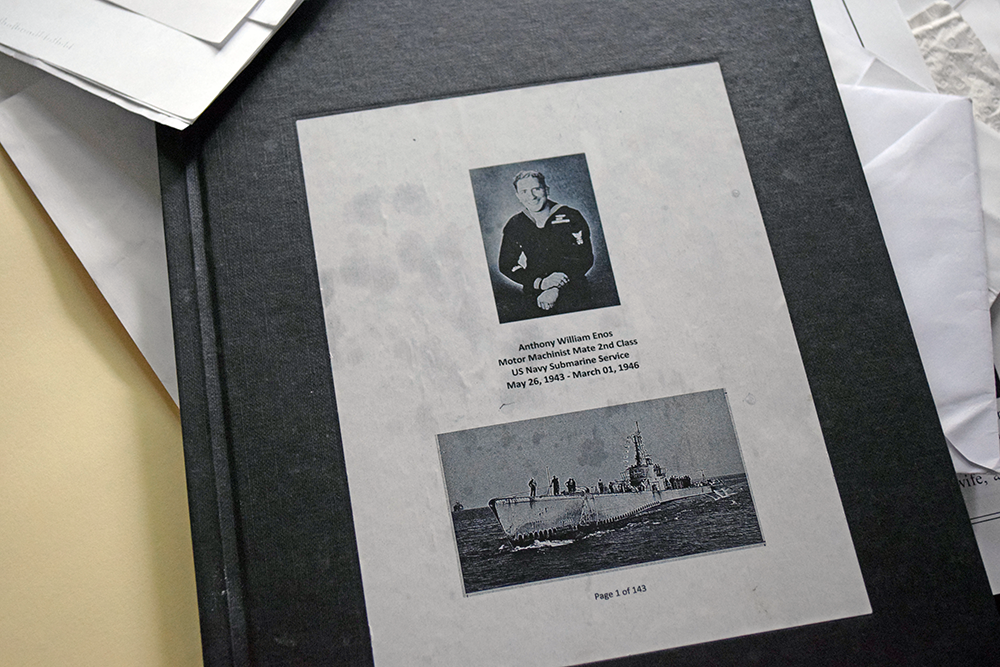 The book written by Enos' friend Tom.
 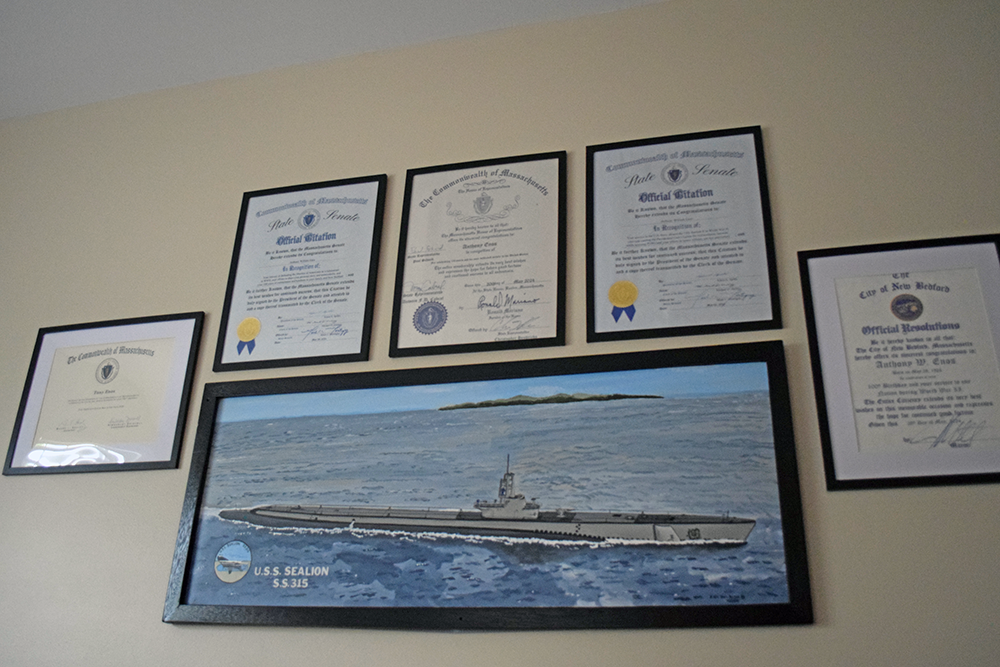 Citations and a painting of the Japanese battleship that Enos' submarine sunk.
 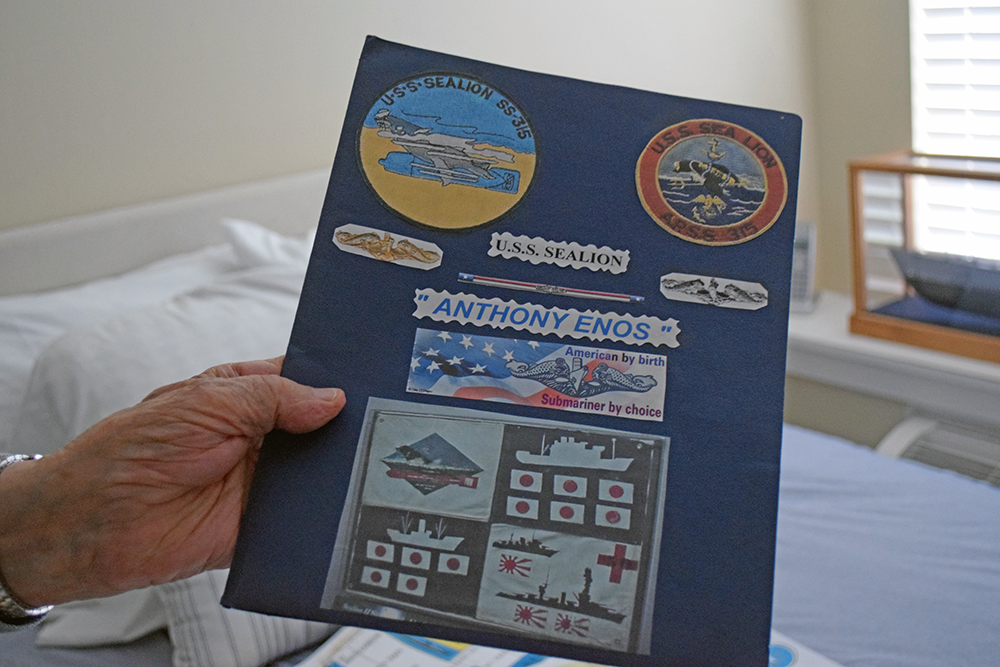 The seal for Enos' ship.
  Enos and some of his crewmates.
Enos and Tom at his birthday party. Marjorie Roche
Pictures of Enos and his family growing up. Photos by Kat Sheridan
Enos shows a picture of the crew he was with.
A cartoon drawn by another person on the submarine.
The book written by Enos' friend Tom.
Citations and a painting of the Japanese battleship that Enos' submarine sunk.
The seal for Enos' ship.
Enos and some of his crewmates.
Enos and some of his crewmates.
Enos and Tom at his birthday party. Marjorie Roche
Pictures of Enos and his family growing up. Photos by Kat Sheridan
Enos shows a picture of the crew he was with.
A cartoon drawn by another person on the submarine.
The book written by Enos' friend Tom.
Citations and a painting of the Japanese battleship that Enos' submarine sunk.
The seal for Enos' ship.
Enos and some of his crewmates.
Anthony “Tony” Enos recently celebrated his 102nd birthday, and looked back on the “interesting” life he lived. While he would not describe it as happy, he looked back fondly on many moments and people who joined him on his journey.
“I’ve been lucky in many, many ways,” said Enos, “I say that all the time. God has been good to me, and I haven’t had the best life in the world, I didn’t have a normal life.’
Enos was born in 1924 in Taunton, Mass. He was the oldest of four, with two brothers and a sister. As he was the first grandchild on his mother’s side, he was given the nickname “Baby.”
He moved to New Bedford when he was 10, but said he hated the city and being away from his extended family. This move was when he felt his life was “broken.” Enos said he felt he grew up different from other kids, living a more old-fashioned lifestyle. He would return to Taunton to visit his grandmother, who was like a second mother to him.
“I lived a different kind of life than most kids my age,” said Enos, “Up until [my] 20s, I lived the old fashioned way. My family was my main thing.”
Enos dropped out of high school after his freshman year. He was drafted into the armed forces when he turned 18, where he requested to join the navy during World War II.
Enos described being in the Navy as the highlight of his life. His submarine unit sank 11 Japanese ships, a Japanese battleship and saved 55 prisoners of war. He was in charge of equipment and listing parts for his submarine.
“Not that I did anything great, but I was with people who did great things,” said Enos.
During his time in the Navy, his unit became the only American submarine to sink a Japanese battleship. During this encounter, they faced six battleships, a warship and three escort ships.
“I’m very, very proud of being a submarine sailor,” Enos said.
He added, “The sinking battleship was the highlight of the war.”
Only one other submarine sank a battleship during the war, which was a German ship. Years later, the captain of the German submarine and Enos became pen pals, comparing the way war was similar and different for them.
“For 10 years we corresponded,” Enos said, “When he died I got a letter from his wife … she wanted me to know that all of my correspondents to him went to the German archives.”
Later on, his unit received a distress call. An enemy ship had been sunk, which had 55 English and Australian prisoners being transported to work in the Japanese mines. They found and rescued the prisoners.
“We got a message … from a fellow submarine, they needed help. They had found these people under the water,” said Enos.
He usually stayed in the Pacific, but did go into the trenches once.
“I didn’t enter any battle and I’m glad I didn’t,” said Enos, “I don’t like the thought of killing people or people killing, and yet I was part of it, a group that killed a lot of people. Not by hand, but by sinking their ship.”
Enos stayed in the Navy for the duration of the war. He was awarded the Presidential Unit Citation as a member of the submarine unit who sank the Japanese battleship. The seal for his unit was designed by Walt Disney, and featured the submarine and some of the ships they sank.
Later, a member of the FBI, Tom Hughes, interviewed him to publish a book on the history of the Navy submarines. Hughes still visits and came to celebrate Enos’ 102nd birthday.
After the war, he “bummed around” until getting a job at a rope company. He started by winding the machines and became the supervisor, then the assistant to the plant superintendent.
The factory closed, and he moved on to Berkshire Hathaway Textiles. He worked there for four years as the personnel manager before the company shut down.
Enos continued his career as a supervisor manager for employment offices, working in Plymouth and New Bedford before finishing his career in Fall River after 25 years.
“My life has been fascinating and yet I look at it as just a kid, I’m not a professional,” said Enos.
He never had children, but he did have a wife; Joan.
They met at a Cabaret, where they knew each other in passing. Enos eventually got the courage to ask her to dance, but before he could, she started dancing with another man. He left, and when they saw him a few weeks later Joan asked him why he left. The man was her neighbor, and while she had wanted to dance with Enos, she had to be polite.
“It was from that day on we started seeing each other,” Enos said.
They dated for about 10 years before getting married, and were married for 40 years before she died.
“With my wife gone, that's the end,” Enos said. “I survive.”
The couple had a mobile home, and traveled the country together. They would go out dancing and eat at nice restaurants. They moved to Dartmouth when she fell ill, so she could receive care. After she died, Enos stayed in town.
Enos now has one goal: stay alive. He doesn’t do as much for fun anymore, but he will occasionally enjoy a bit of wine or flirt with women at the Cottages of Dartmouth where he now lives His sister Barbara is still alive, and will visit on occasion.
“I just grew into it [being 102,]” said Enos, “I’m surprised.”