











Groundhogs predict a longer winter
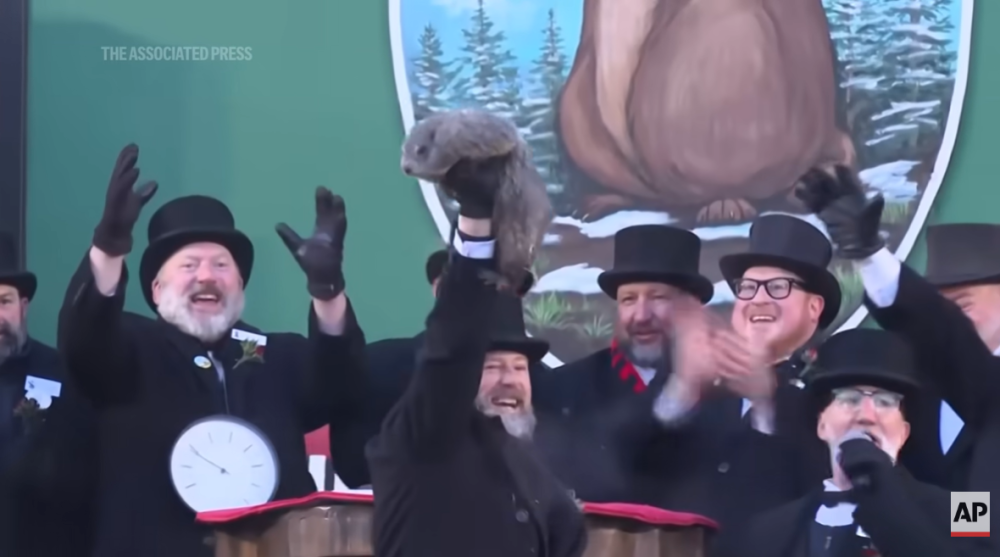 Punxsutawney Phil predicts 6 more weeks of winter. Source: AP News
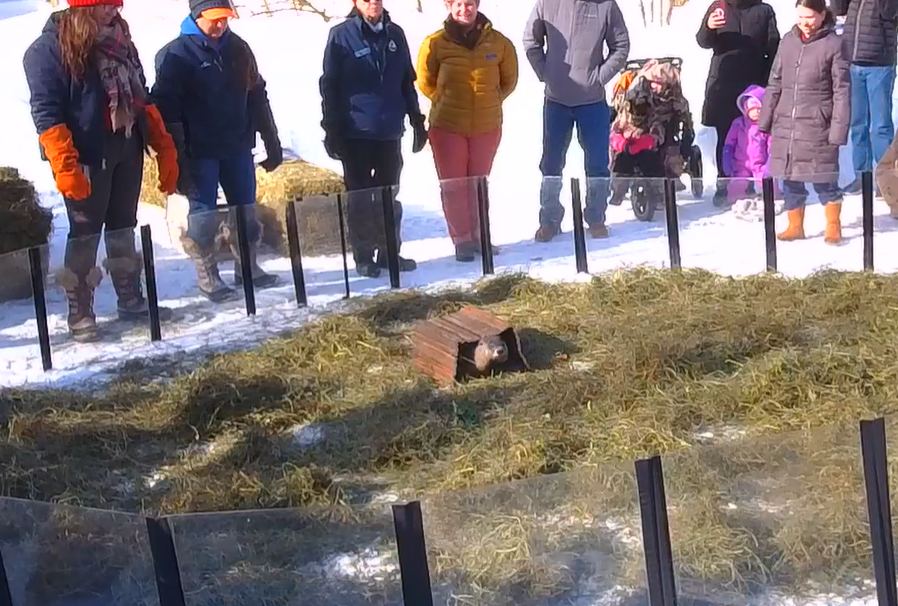 Mrs. G also predicted 6 more weeks of winter. Source: Mass Audubon Drumlin Farm
Punxsutawney Phil predicts 6 more weeks of winter. Source: AP News
Mrs. G also predicted 6 more weeks of winter. Source: Mass Audubon Drumlin Farm
Mrs. G also predicted 6 more weeks of winter. Source: Mass Audubon Drumlin Farm
Punxsutawney Phil predicts 6 more weeks of winter. Source: AP News
Mrs. G also predicted 6 more weeks of winter. Source: Mass Audubon Drumlin Farm
After last weekend's snowstorm and the string of below freezing days, spring may not arrive for six more weeks, at least according to the groundhogs.
Punxsutawney Phil, the groundhog from Pennsylvania, saw his shadow early on Monday, Feb. 2. He wasn’t the only groundhog to predict this, as so did the Massachusetts groundhog Mrs. G.
The groundhog, also known as a “woodchuck” or a “whistle pig,” started predicting the weather as a part of Pennsylvania-Dutch culture, according to Nick Wildman, the executive director of the Dartmouth Natural Resources Trust.
“Groundhogs are very cute and all, but they can be an important pest to farmers,” said Wildman/
The term “whistle pig” comes from the fact that when startled, groundhogs send out a whistle squeak as an alarm. According to the Westport Land Trust, the term “woodchuck” comes from a mispronunciation of the Narragansett word “wuchak.”
They are a vital part of the Massachusetts ecosystem, regardless of being pests to people’s gardens and lawns. They are prey for other native creatures like coyotes and hawks. Because of this, Wildman asks people not to use poisons as a way to get these rodents out of their yards.
“They’re just an important part of the ecosystem, and they’re just a very interesting native animal,” said Wildman.
Most people see them as pests due to the fact they snack on greens and burrow, causing issues with farms.
While Punxsutawney Phil is the most well known whistle pig to whistleblow whether winter is over or not, Massachusetts has had their own groundhog since 2014. This is Mrs. G, from Mass Audubon Drumlin Farm in Lincoln.
The prediction made by these little rodents is famously inaccurate, and this is due to the fact that groundhogs hibernate and come out regardless of the presence of a shadow or not.
While neither groundhog is particularly accurate in their predictions, it’s a tradition to hold a groundhog up to decide whether to bundle up or bring out the spring clothes.