











Growing a community in Dartmouth
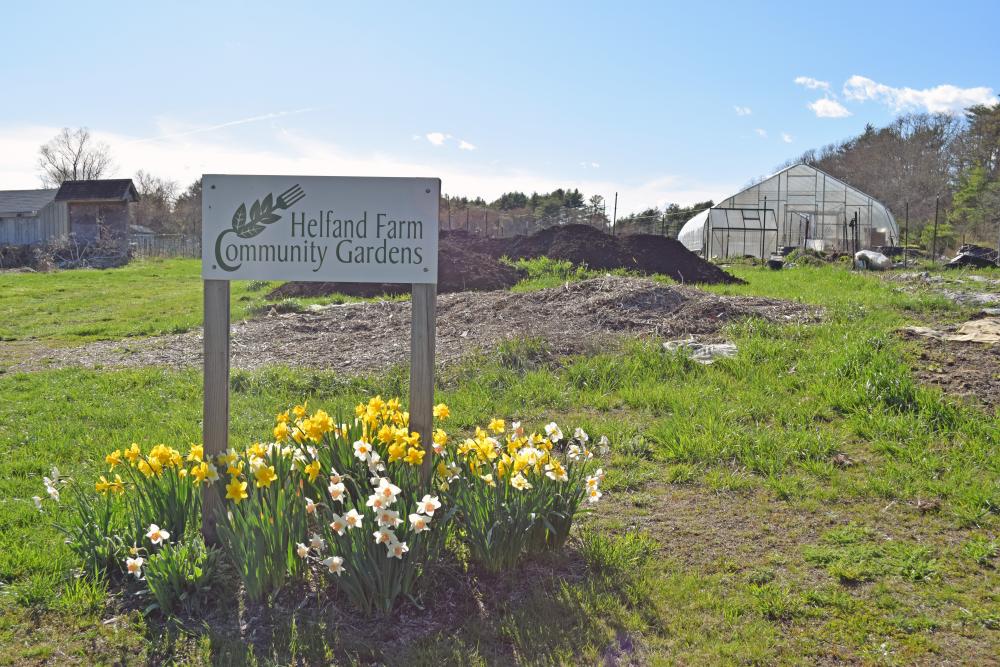 Helfand Farm. Photos by Kat Sheridan
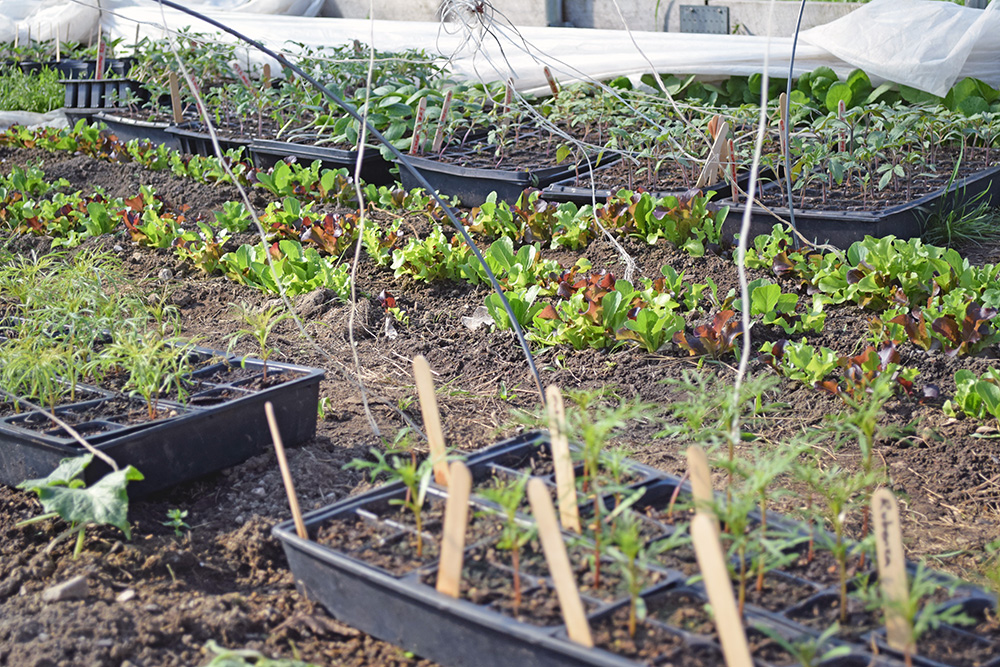 Some lettuce and other plants beginning to grow in the greenhouse.
 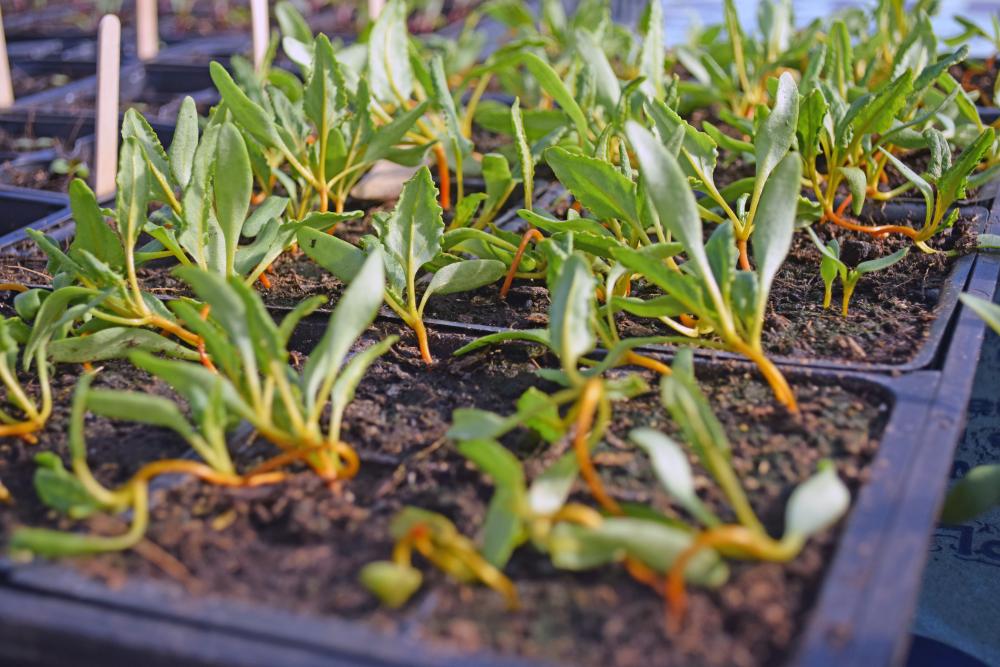 Some multicolored seedlings.
 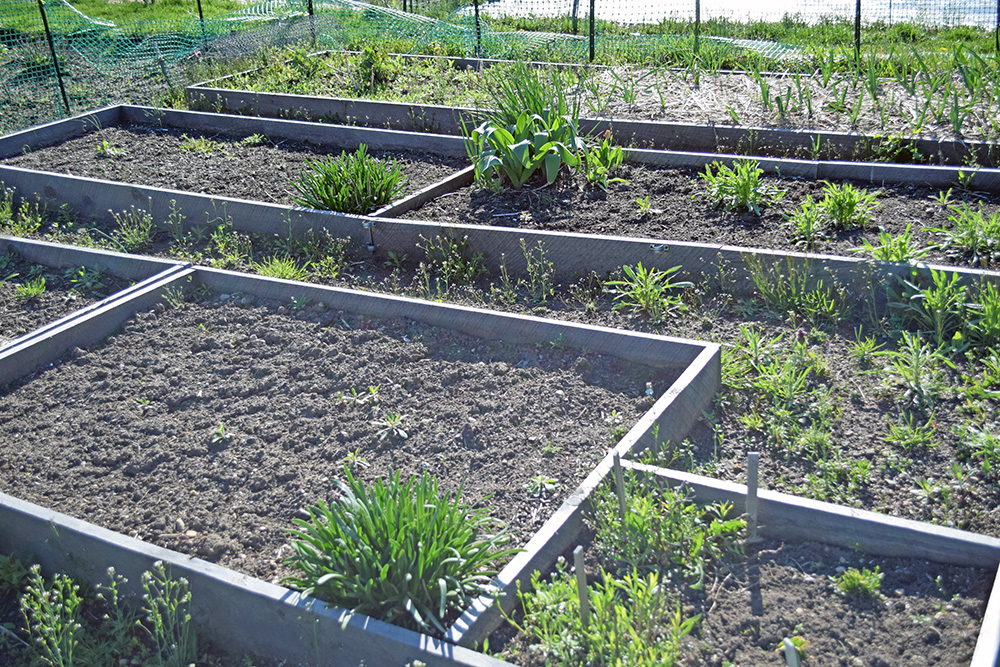 One plot with split growing boxes.
 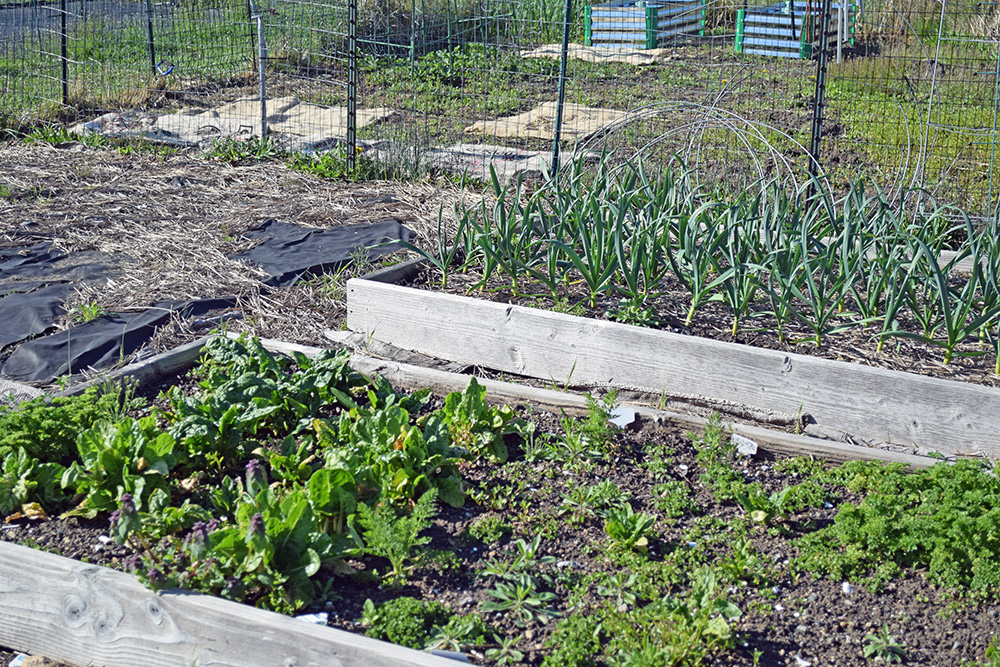 A very successful plot.
 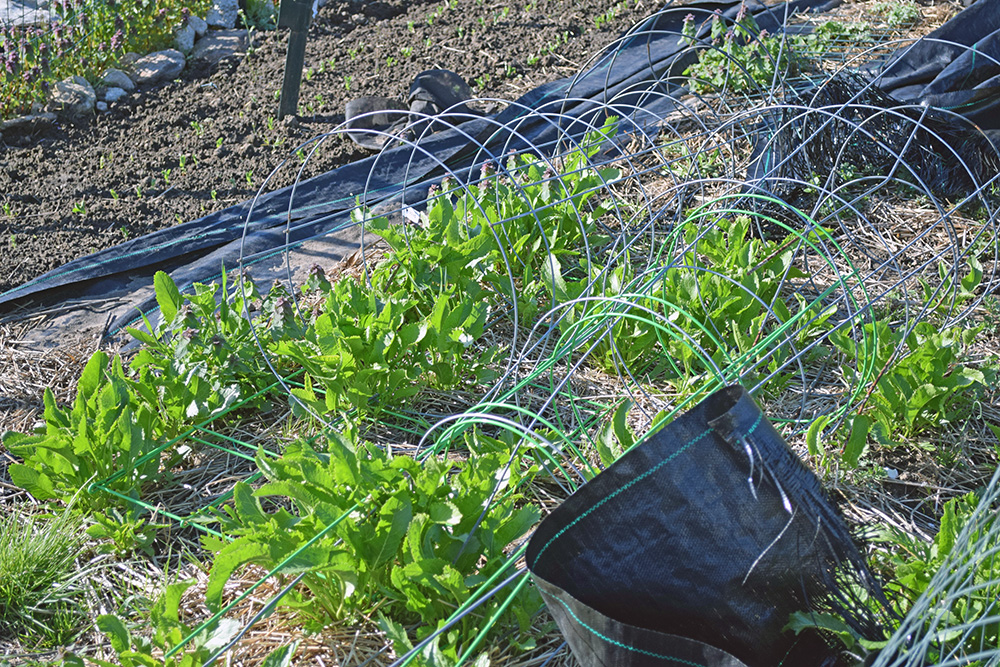 One plot already had something grown.
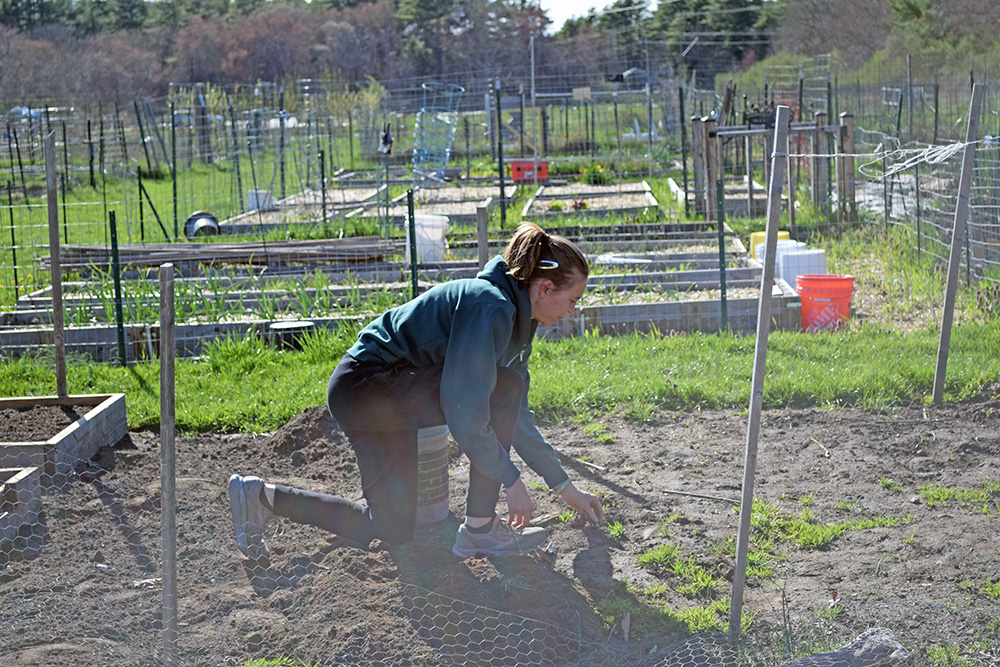 Chelsea from New Bedford tends to her plot.
 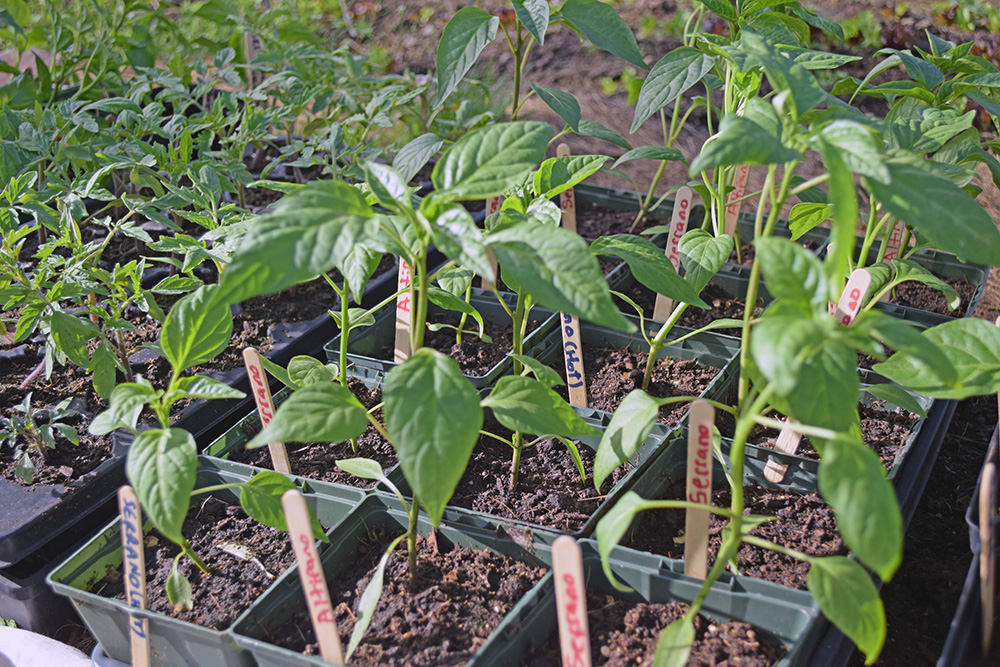 Some small sprouts in the greenhouse.
 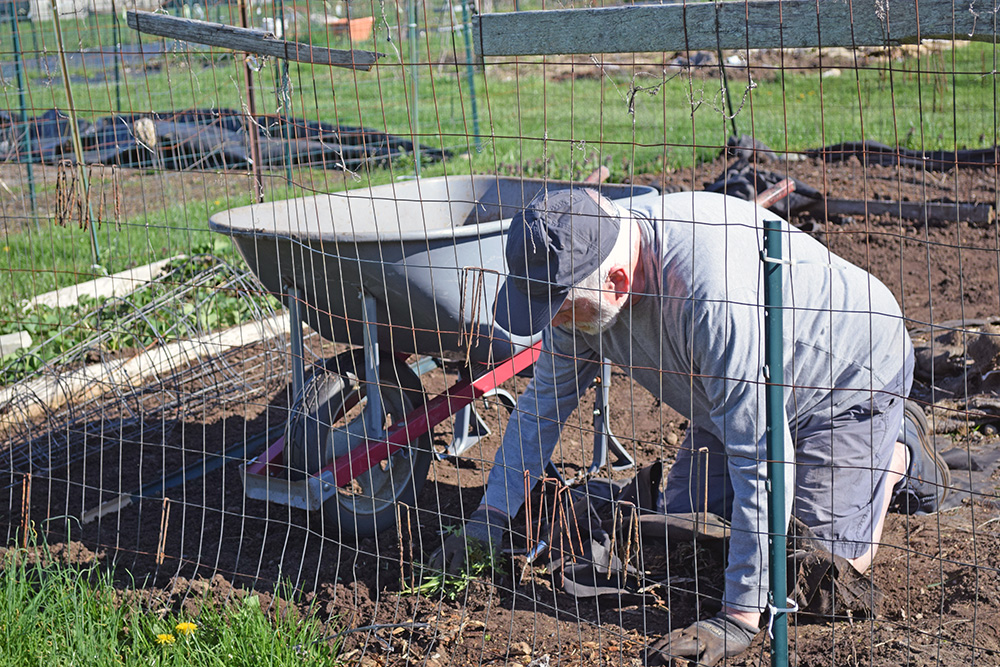 Dan Patten of New Bedford begins weeding his plot.
 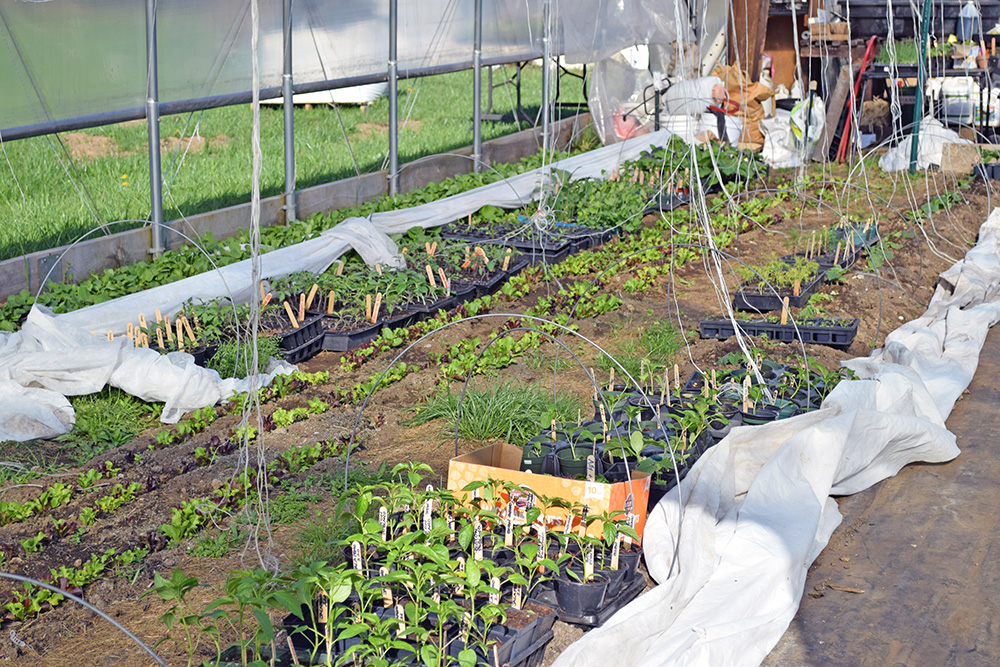 The greenhouse gives seeds a place to grow.
 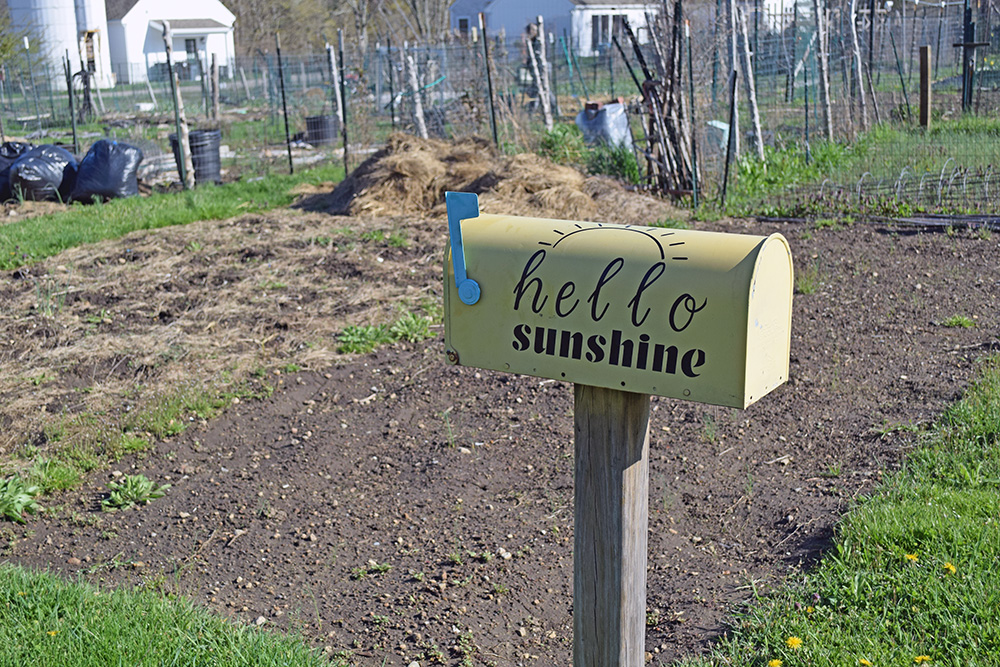 This plot had a greeting mailbox.
 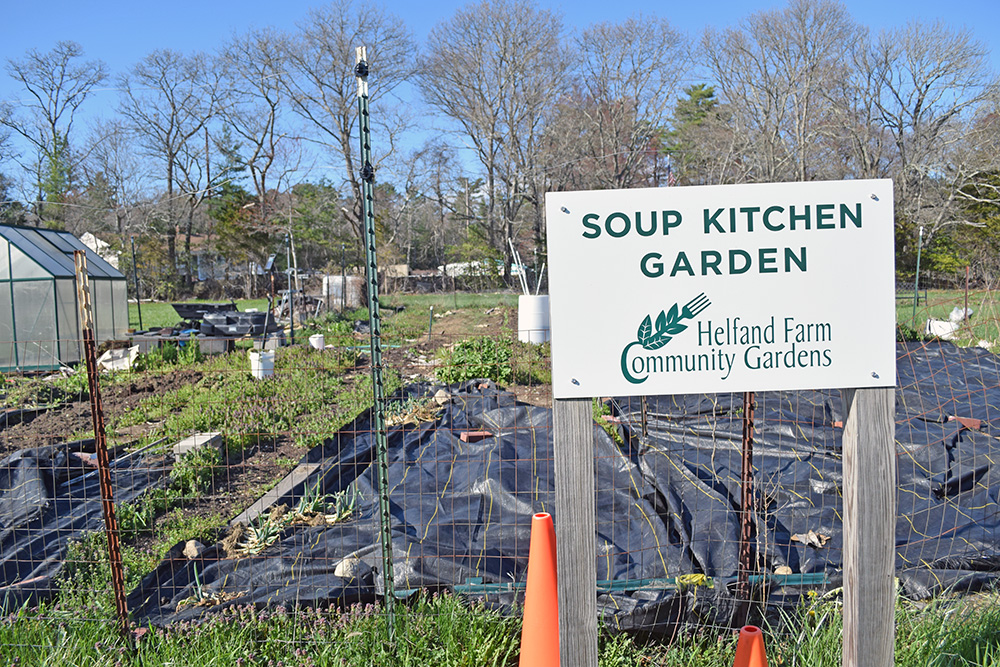 The Soup Kitchen Garden has begun to grow.
Helfand Farm. Photos by Kat Sheridan
Some lettuce and other plants beginning to grow in the greenhouse.
Some multicolored seedlings.
One plot with split growing boxes.
A very successful plot.
One plot already had something grown.
Chelsea from New Bedford tends to her plot.
Some small sprouts in the greenhouse.
Dan Patten of New Bedford begins weeding his plot.
The greenhouse gives seeds a place to grow.
This plot had a greeting mailbox.
The Soup Kitchen Garden has begun to grow.
The Soup Kitchen Garden has begun to grow.
Helfand Farm. Photos by Kat Sheridan
Some lettuce and other plants beginning to grow in the greenhouse.
Some multicolored seedlings.
One plot with split growing boxes.
A very successful plot.
One plot already had something grown.
Chelsea from New Bedford tends to her plot.
Some small sprouts in the greenhouse.
Dan Patten of New Bedford begins weeding his plot.
The greenhouse gives seeds a place to grow.
This plot had a greeting mailbox.
The Soup Kitchen Garden has begun to grow.
Helfand Farm Community Garden is growing goodness by giving members of the community the space to grow their own produce.
“A lot of our gardeners, they live in the city or they live in an apartment and they just don’t have the space where they can relax and do their own thing on a little patch of land,” said Benjamin Rapoza, the president of the board of directors for Helfand Farms.
The farm was in the Helfand Family since the 1800s, but was donated to the Dartmouth Natural Resources Trust in 1994. The farm was started by Mike Humphrey, along with Amy Thurber, 14 years ago, as a retirement project. He cleared the land to make it possible for crops to grow. Now, the gardens are nearly completely volunteer run.
“To run an organization it really takes a lot of work, and to have this many talented and hardworking volunteers is why we’ve been so successful,” said Rapoza.
On the grounds, there are 145 plots available for rent. Currently, there is a waiting list for plots. Besides these, there are volunteer-run spaces that are available for all members of the community.
The Soup Kitchen Garden is a volunteer-run plot that provides 2,000 to 4,000 pounds of food to local soup kitchens and food pantries. This is managed by Marlene Holohan, who Rapoza described as “a force of nature.”
“It’s much smaller than what the Harvest Farm is doing at the YMCA in town, but we’re doing our part,” said Rapoza. “We get a lot of produce out of a small space.”
He added, “It’s a great place for people to learn gardening.”
They grow a variety of food in the Soup Kitchen Garden, such as onions, cauliflower and broccoli.
There is a Pick and Weed garden, where anyone at the gardens can pick what they want.
Three of the plots are set aside for low-income families, which are free for families who can prove need. Two plots are still available.
“They do a lot for the community,” said Dan Patten of New Bedford, who has one of the plots. “They have a lot of volunteers that are here, they have a lot of food that they provide to the food shelters.”
Patten, who has a small garden at home, said that he’s always gardened and chose to sign-up for a plot as a way to expand his gardening.
“It’s just one of those outdoor activities that brings you closer to nature and it definitely has stress relieving benefits,” Rapoza said.
Helfand Farms provides much of what the farmers need like water, fertilizer, compost, deer fencing and more. While farmers can bring whatever plants they want, there is also a seed library they can choose from.
The farm requires organic only practices, which creates healthier produce.
“Gardening is a great way to connect with nature, to get exercise and to just connect with where their food is coming from,” said Rapoza., “They learn about healthy eating and also the environment and how the world around us works.”
Growing locally not only allows people to get into nature and grow organic food, but also helps the climate, Rapoza said. Typically, produce is shipped from afar, causing carbon dioxide emissions.
“It’s definitely better for their own health and for the environment when people follow organic practices,” said Rapoza.
According to Rapoza, many farmers who start at Helfand go on to grow food in their own backyards or even start small businesses.
“We’ve propagated farmers, basically,” he said.
He stated that they have encouraged others in the vicinity to start their own community farms.
Rapoza noted an uptick in people seeking plots during the COVID-19 pandemic, which he guessed is due to both the stress and the want of fresh produce without having to enter supermarkets.
“That’s always been a big part of gardening, is getting that connection with nature and … enjoying the stress relieving aspect,” said Rapoza, “And of course, the healthy and nutritious food that you’re growing.”