











Residences at Hawthorne approved by the Zoning Board of Appeals
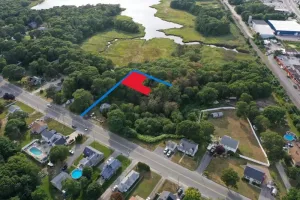
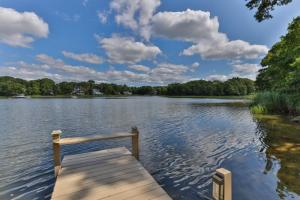
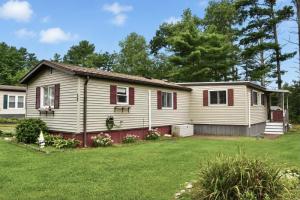
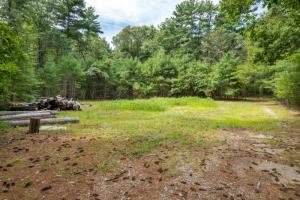
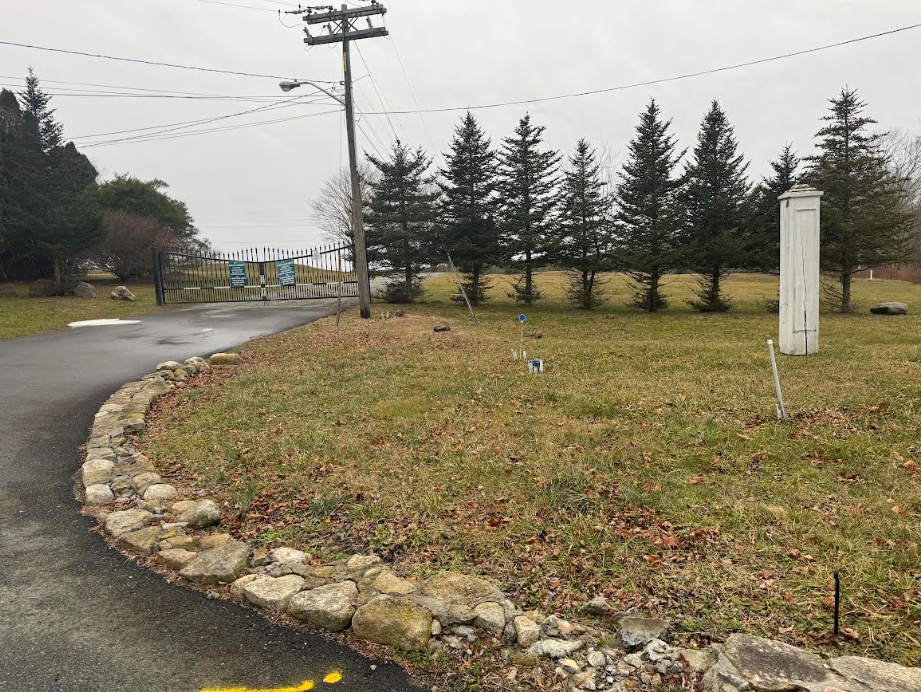 The Residences at Hawthorne would be built at the site of the Hawthorne Country Club. Photo by Kat Sheridan
The Residences at Hawthorne would be built at the site of the Hawthorne Country Club. Photo by Kat Sheridan
The Residences at Hawthorne would be built at the site of the Hawthorne Country Club. Photo by Kat Sheridan
The Zoning Board of Appeals officially approved the Residences at Hawthorne, a 138 unit development to be built at 970 Tucker Road, on Thursday, May 21.
“There are numerous times I’ve contemplated trying to find a way that I felt it would be beneficial to vote against this,” said Zoning Board Chair Michael Medeiros. “I’ve contemplated stepping down so I wouldn’t be a person on watch, I wouldn’t be at the helm during the period in time in which we were basically say selling our town away.”
This is a Chapter 40B project, which allows the developers to bypass certain local restrictions to prioritize affordable housing. To be 40B eligible, at least 25% of the units must be deemed affordable. Units are considered “affordable” if someone making 80% or less than the town’s average income can afford to live in that housing. In Dartmouth, the average income is $95,960 for a four person household.
A town can be exempt from 40B once 10% of the town’s housing units are affordable. Currently, Dartmouth is at 7.81%.
“I think adding the 35 affordable units is a big step,” said Zoning Board member Halim Choubah, whose daughter moved away due to the fact that Dartmouth was not affordable for her. “This is not a picard blanche, it took me this afternoon, it took me probably two hours to read through the conditions.”
Regardless of being approved, the affordable units at Residences at Hawthorne will not be included in Dartmouth’s total number of affordable housing units until the project is completely built and ready for people to move in.
The development will be built on 56.3 acres of the property, which used to be the old Hawthorne Country Club, and will consist of 110 single-family duplexes and 14 duplexes. The affordable units will be split between the two styles.
Approving a project with a long list of conditions gives the Zoning Board more control over how the project is constructed within town; however, developers could also bring the Zoning Board before the Housing Appeals Committee to overturn conditions.
“There’s not much we can do because there’s state mandates and the only reason that I’m going to vote for this is because I think that voting for this is better than the other alternative,” said Medeiros.
If the developer chooses not to appeal to the Housing Appeals Committee, there is a 29 page list of conditions that they must abide by when building the development.
These include revising the plan to include detailed landscaping, when they are allowed to use loud construction equipment, having a geotechnical engineer study the groundwater so they do not cut into the seasonal high and typical conditions such as keeping the 25% affordable units always affordable.
They added a condition that allows the developers to negotiate with the School Committee to have the school bus drive onto the private property. Typically, the school department does not allow this.
The developers had originally requested a discount on water and sewer connections for the affordable units and only pay a flat fee of $2,500. The other units would cost between $5,500 for a single family to $9,000 to $10,000 for a three bedroom unit. The Zoning Board did deny this request.
Another condition covered the issue of Fairway Drive. The developer Paul Cusson wanted to use the private Fairway Drive as his emergency access road. However, the residents on Fairway Drive were upset by this.
The condition states the developers must settle this with the residents outside of Zoning. If it’s decided they can use Fairway Drive as their emergency egress, they are all set. If it is decided they cannot, the developers must return to the Zoning Board and pitch a new means of access.
Four Condo Associations have filed lawsuits against the developers for this, and will be seeing them in court on Friday, May 22 to discuss whether the developers can claim a private drive as their emergency access.
The vote to approve this project passed unanimously.