











Select Board candidates share their views on Dartmouth's key issues at candidates night
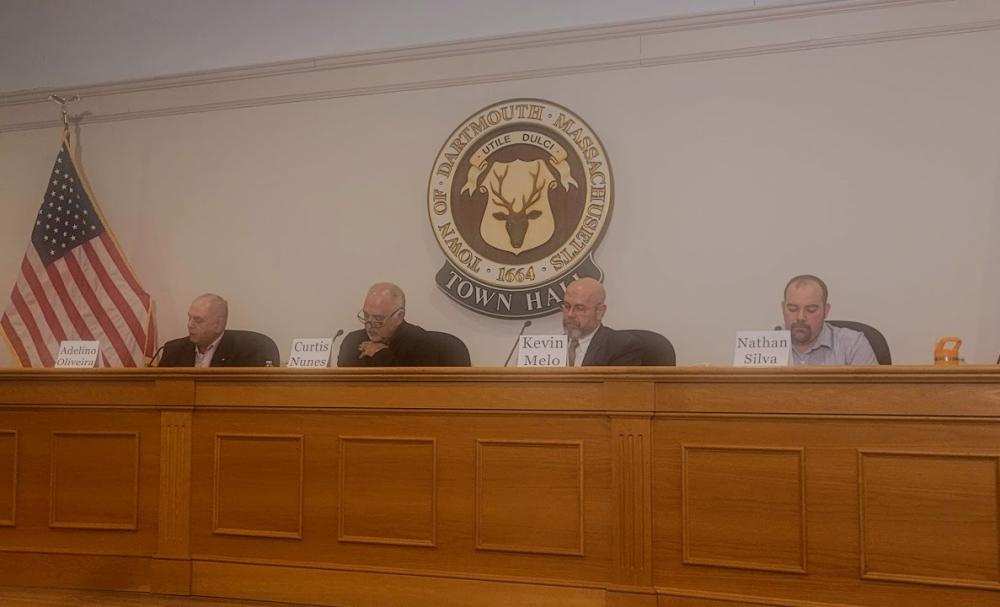 Select Board candidates Al Oliveira (left), Curtis Nunes, Kevin Melo, and Nathan Silva. Photo by Abby Van Selous
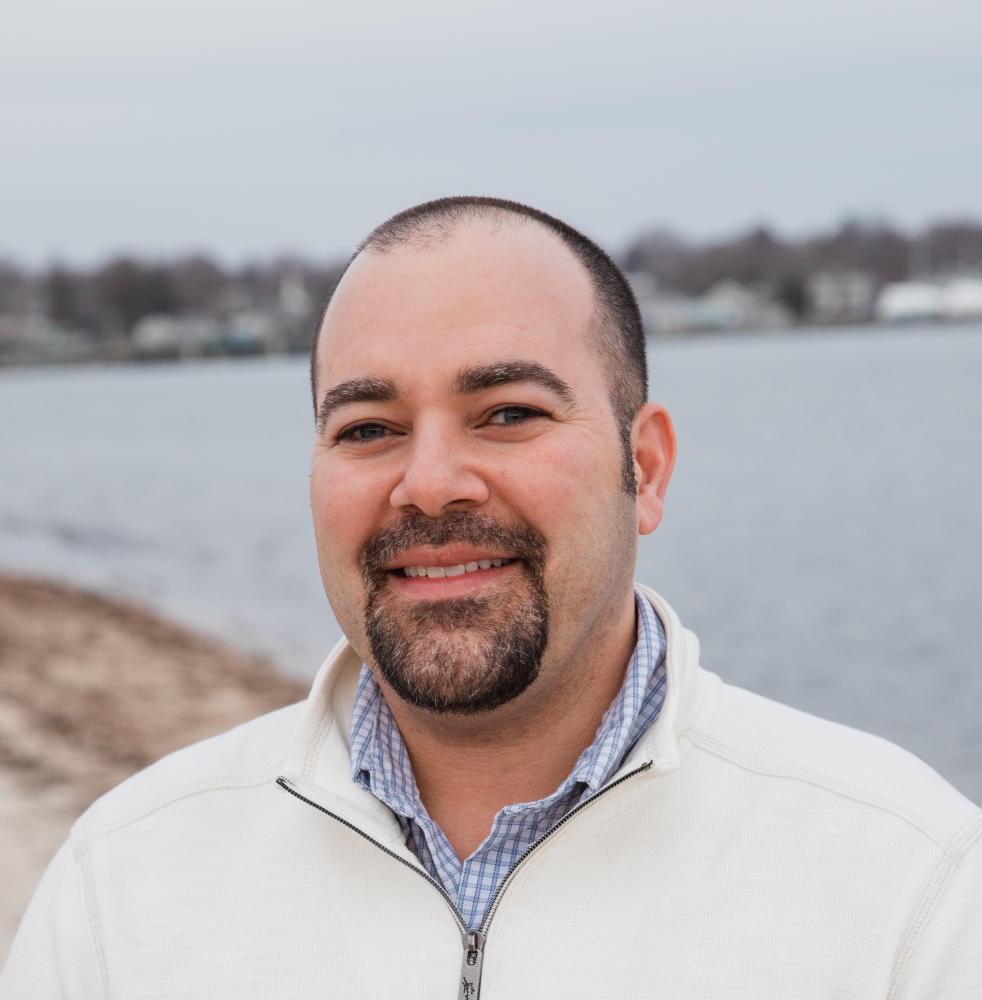 Nathan Silva.
 Kevin Melo.
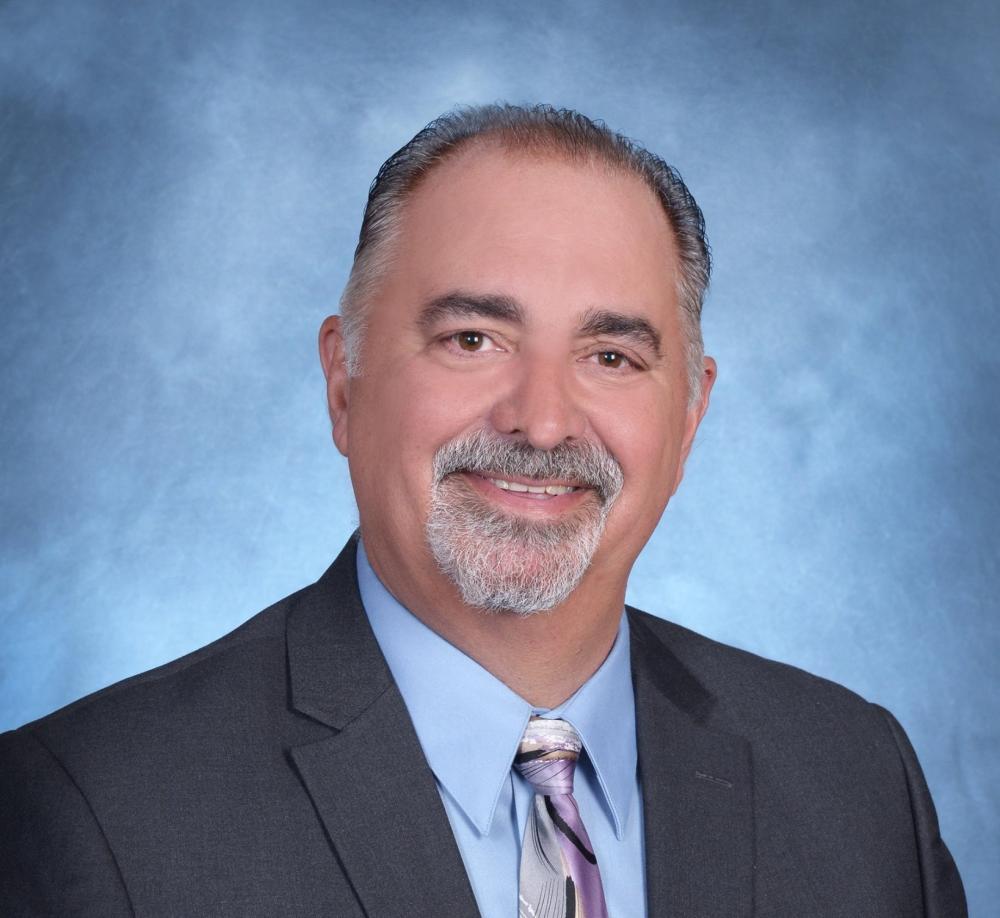 Curtis Nunes.
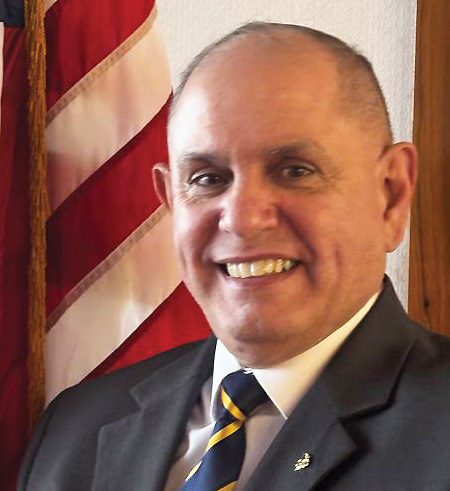 Al Oliveira.
Select Board candidates Al Oliveira (left), Curtis Nunes, Kevin Melo, and Nathan Silva. Photo by Abby Van Selous
Nathan Silva.
Kevin Melo.
Curtis Nunes.
Al Oliveira.
Al Oliveira.
Select Board candidates Al Oliveira (left), Curtis Nunes, Kevin Melo, and Nathan Silva. Photo by Abby Van Selous
Nathan Silva.
Kevin Melo.
Curtis Nunes.
Al Oliveira.
With just under two weeks to go before Dartmouth residents head to the polls to vote in the town’s annual election, the four Select Board candidates came together to answer questions as part of a candidates night.
Candidates Kevin Melo, Curtis Nunes, Al Oliveira and Nathan Silva addressed topics about school funding, housing, aging infrastructure, the town budget and more.
The Town Election will take place on Tuesday, April 7, with polls open from 7 a.m. to 8 p.m. For more election information, visit https://www.dartmouthma.gov/235/Election-Information.
Schools
The candidates were asked whether they support a five-year reduction plan that would decrease the school district’s reliance on funds from school choice — a program that allows non-Dartmouth students to apply for and enroll in Dartmouth High School. This program accounts for an estimated 11% of the student body.
In the past, the school district has used these funds to supplement its operating budget but is now striving to move away from relying on the program.
Silva said that his concern about the district using money from its savings account to fund its operating expenses was one of the reasons why he chose to get involved in town government.
He noted that he does support the school choice program but that “weaning off of that reliance is an important thing that we must continue so that we don’t end up with a cliff that we fall apart on.”
Nunes said that he would support a plan that eliminates school choice, a program he said he is “totally against” because he doesn’t see it as “net positive.”
He noted that if there were less students in the district, then there could also be a need for fewer teachers and could act as a possible money saver and way to decrease the school budget.
Melo said that how school choice funds are used and whether it’s a program the high school should continue is something that he would leave to the superintendent and school district to decide.
Oliveira said that school choice is “very valuable” in terms of bringing in new students and that the lottery system has established a way of bringing money into the district.
Housing
Dartmouth has recently been dealing with three proposed 40B housing projects, which would create more than 500 units if they are all approved. The town is 275 units short of meeting the state’s required 10% affordable housing.
Chapter 40B allows developers to bypass certain zoning laws if at least 25% of units are affordable.
The four candidates all noted the Chapter 40B projects are not something Dartmouth will be able to avoid.
Melo, who has served on the Planning Board and is currently an alternate member, said that 40B projects can’t be stopped unless it’s proven that they pose a public safety issue.
“It should be our goal to expedite the town reaching [275 more units] so that we can minimize additional after that point,” Melo said.
Oliveira said the town needs to get itself over the 10% affordable housing threshold to take control of its housing situation.
“I don’t want anybody telling us how to do it,” he said. “I want to be able to be the leader in doing it our way.”
Silva said that the town will have to do the best it can through the Zoning Board of Appeals to minimize the school, wastewater and public service impacts 40B developments could have on the community.
“They’re going to come online faster than we can expand our services to accommodate them,” Silva said.
Nunes, who serves on the Board of Assessors, said the town currently under-taxes developments like Dartmouth Woods and said that they should instead be taxed like commercial businesses rather than residential.
“We lose money on those complexes,” he said.
All four candidates said they would be in support of the Housing Authority developing new buildings in town, such as new housing for seniors and veterans and potentially constructing a project on Slocum Road.
Water infrastructure
The state of Dartmouth’s water infrastructure was also a topic of discussion, with all four candidates agreeing that the infrastructure needs to be upgraded.
Melo noted that the majority of Dartmouth is connected to an aging water treatment plant, which, if not repaired, could affect people’s health and safety.
“I don’t want to be around when that plant goes down for a few days,” he said.
Melo said that the town needs to “minimize the impact” of the system and proposed using a debt exclusion to pay for an upgraded facility. This would be funded with water enterprise funds and paid off over time.
Oliveira said Dartmouth is in “dire straits” regarding its water infrastructure and that there are capital upgrades that still need to be made. He said that while upgrading the infrastructure is part of a capital plan, it’s “one of those things that have to be moved up expeditiously,” and is “necessary” to the community.
Nunes said that the state of the town’s water supply and aging infrastructure are his “number one issue,” as the town needs clean water and a sewer treatment plan.
Silva noted that the town should start addressing its major issues like its water infrastructure and wastewater treatment plant so that “all those bills don’t come due at the same time.”
Town budget
The candidates were also asked how they would increase revenue and balance the town’s budget, which is facing pressure from costs rising on average between 10 to 13% annually.
Oliveira said the town should consider working with the state legislature to get assistance for Eversource bills, which he said are “just rising over the top.”
He noted that the town needs to bring in economic development, expand the community and expand the tax base for increased revenue. This could include communicating with outside vendors and departments.
Nunes said that one problem Dartmouth faces is the fact that Proposition 2 ½ limits the town from increasing property taxes more than 2.5% every year, unless there’s town approval for an override.
Melo said that when it comes to overrides the town should create a detailed description of how all the funds would be used before making an override request.
“I want to make sure for the town taxpayers that there’s not going to be need for another override in two years, three years, maybe even 10 years,” he said.
Silva agreed with Melo and added that the town shouldn’t ask the community for a tax override unless they can prove that it’s “absolutely necessary” and that all other options to avoid doing so have been exhausted.