











Sewer treatment facility nearing capacity amid housing projects
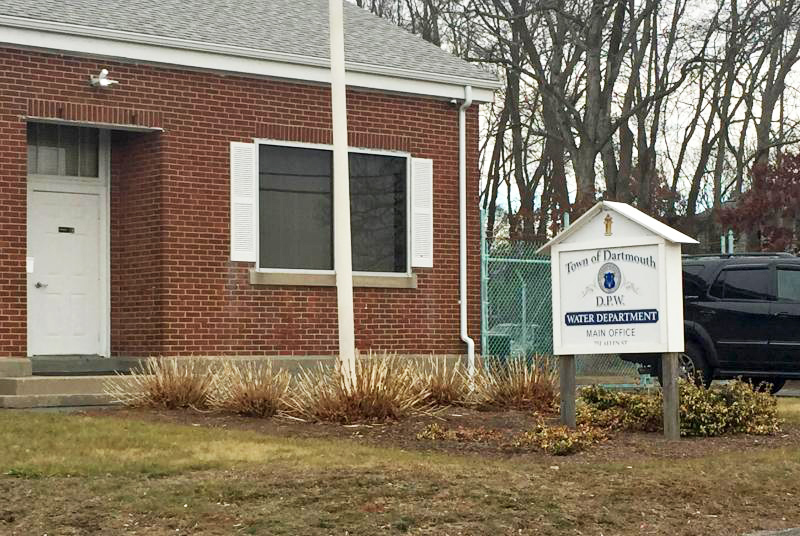
According to a recent study that looked into sewer flow and loading, Dartmouth does not have the capacity in the wastewater treatment facility for the many planned and proposed housing projects.
These apartment buildings include the Dartmouth Woods, The Preserve at Dartmouth, Sherbrooke Farms, The Hathaway, the Residences at Hawthorne and three other buildings.
A wastewater treatment facility is considered near capacity when it is treating 80% of the maximum amount of wastewater the facility can manage. The one Dartmouth wastewater treatment facility can treat 4.2 million gallons of wastewater a day, with 80% being 3.6 million gallons.
During occasions like poor weather, the facility can exceed the capacity, which can leave some waste untreated or undertreated.
Once the facility is frequently treating wastewater at 80% capacity, it must either undergo upgrades or have a moratorium. This would stop new developments or businesses from connecting to the facility.
Either the town can voluntarily place a moratorium, or the Massachusetts Department of Environmental Protection will enforce it.
This means that in the meantime the Zoning Board and Planning Board could approve developments that may not be able to connect to the wastewater treatment facility.
While some of the pump stations would be able to handle the influx, most would need upgrades to handle the increased population.
The pump stations near the Preserve at Dartmouth don’t have the capacity to handle the added wastewater, and will require upgrades. Currently, the town has a grant from MassWorks, which will fund one of the pump stations at $3.4 million. Public Works Director Tim Barber said they are hoping to apply for a second grant to fund the second.
The pump station that the Residences of Hawthorne will tie into does have the capacity and won’t require upgrades.
With the potential for many future homes and apartments, the town would need to upgrade the largest pump station, which is located along the Paskamansett River. This would cost around $300,000.
Barber encouraged residents who are paying for sewer but aren’t connected should do so sooner than later, as connections are first-come, first-serve. Once a moratorium is placed, no one will be able to connect.
Contact Name