











'I wouldn't miss it for the world': Allens Neck annual clambake returns
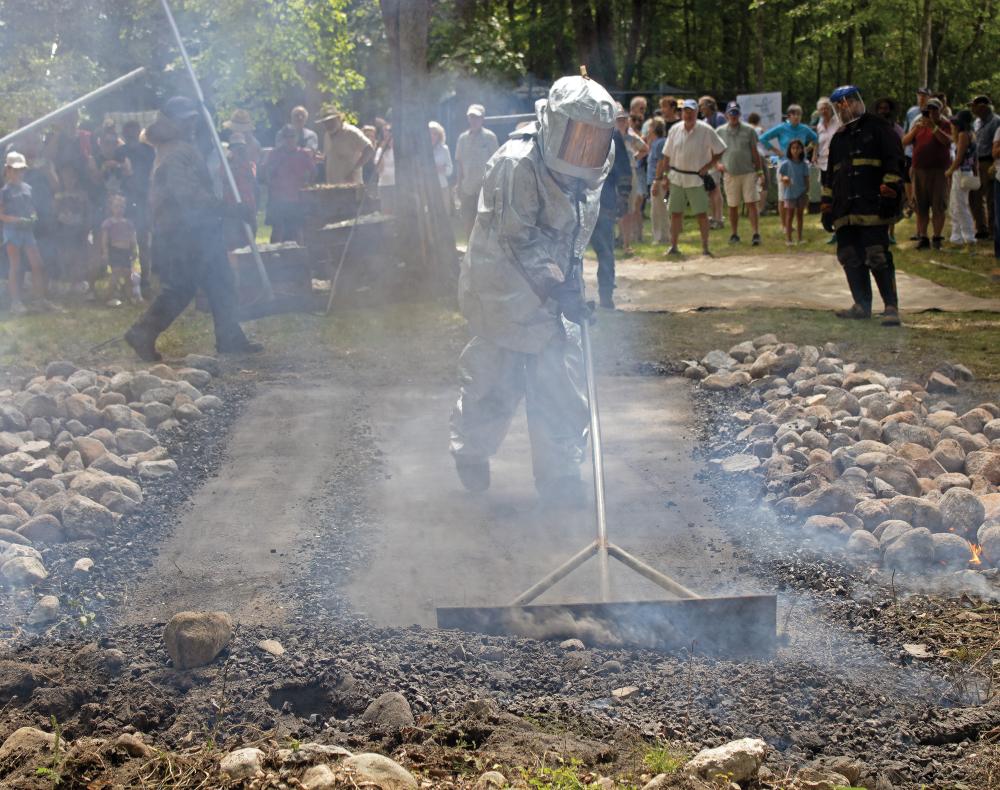 Suited up to rake away remaining embers. Photos by Abby Van Selous
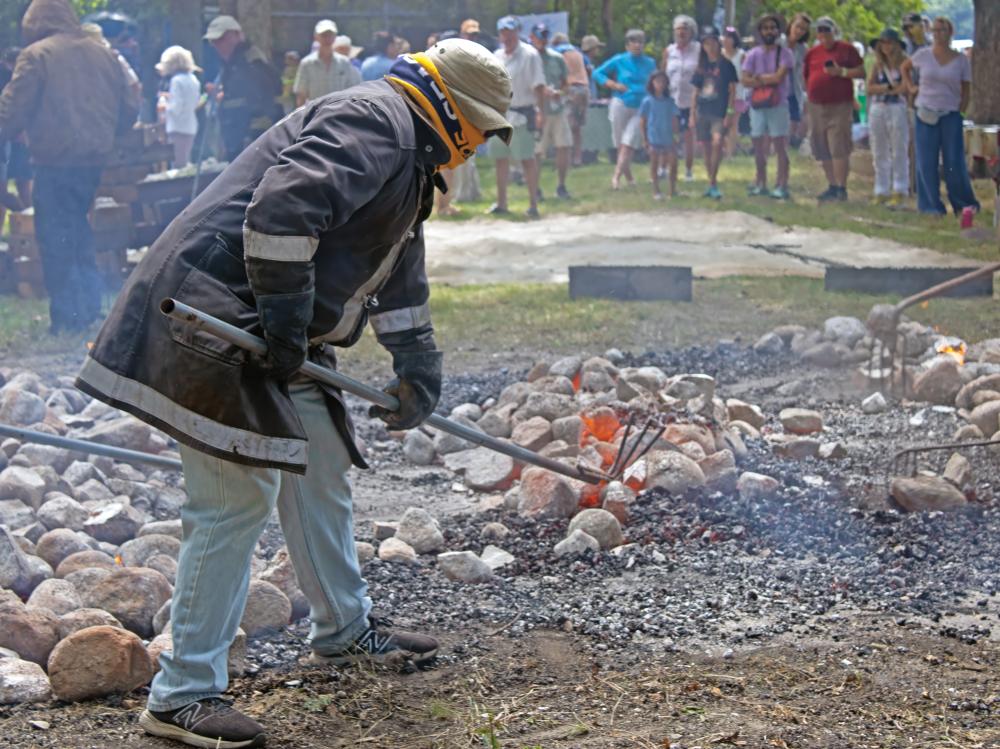 Getting the stones out of the fire.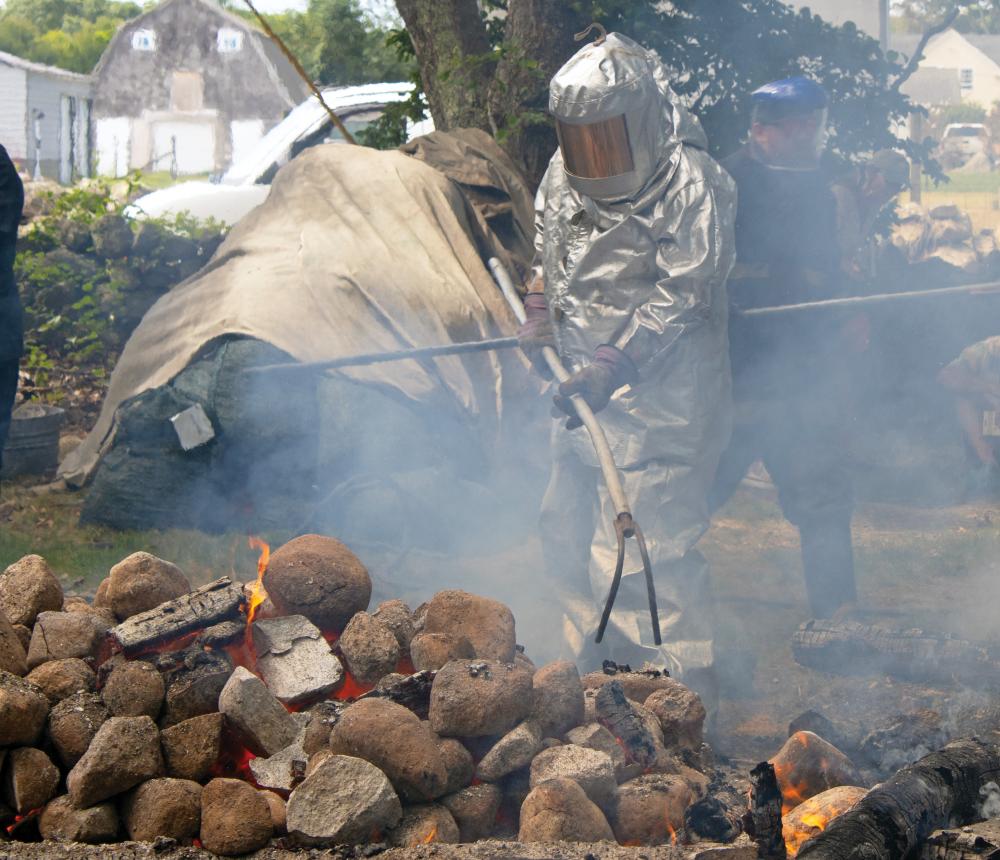
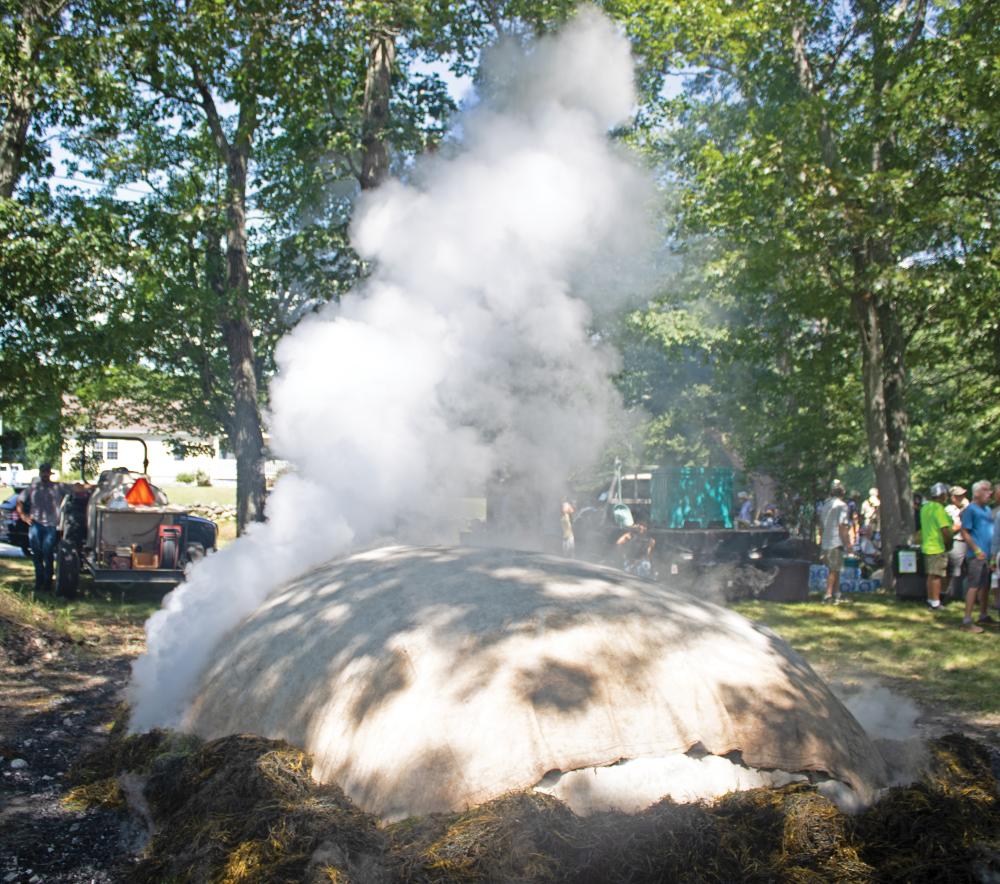 Steam billows from beneath the tarps.
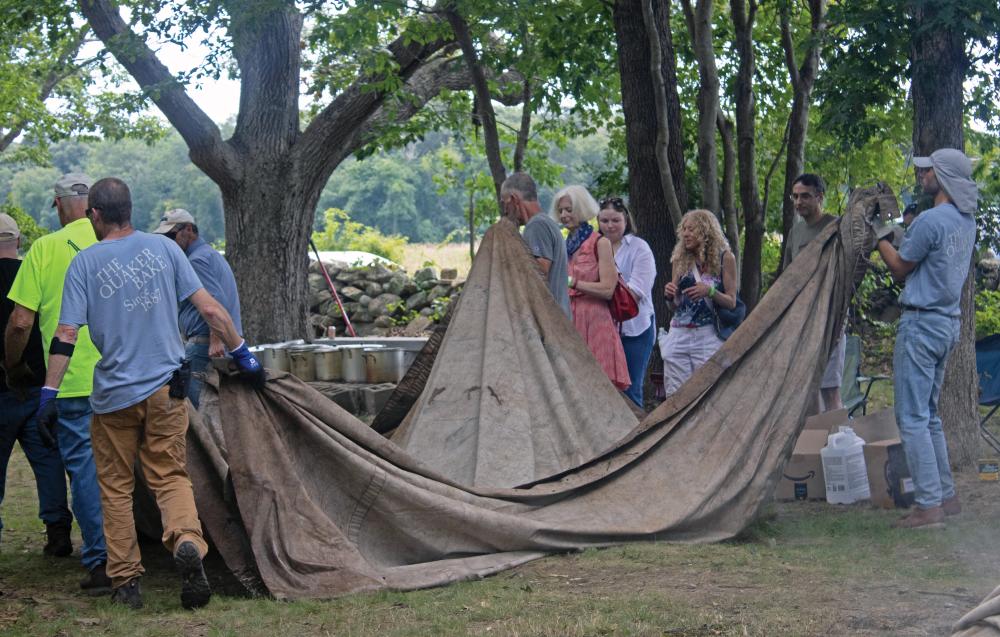 Removing a tarp from the fire.
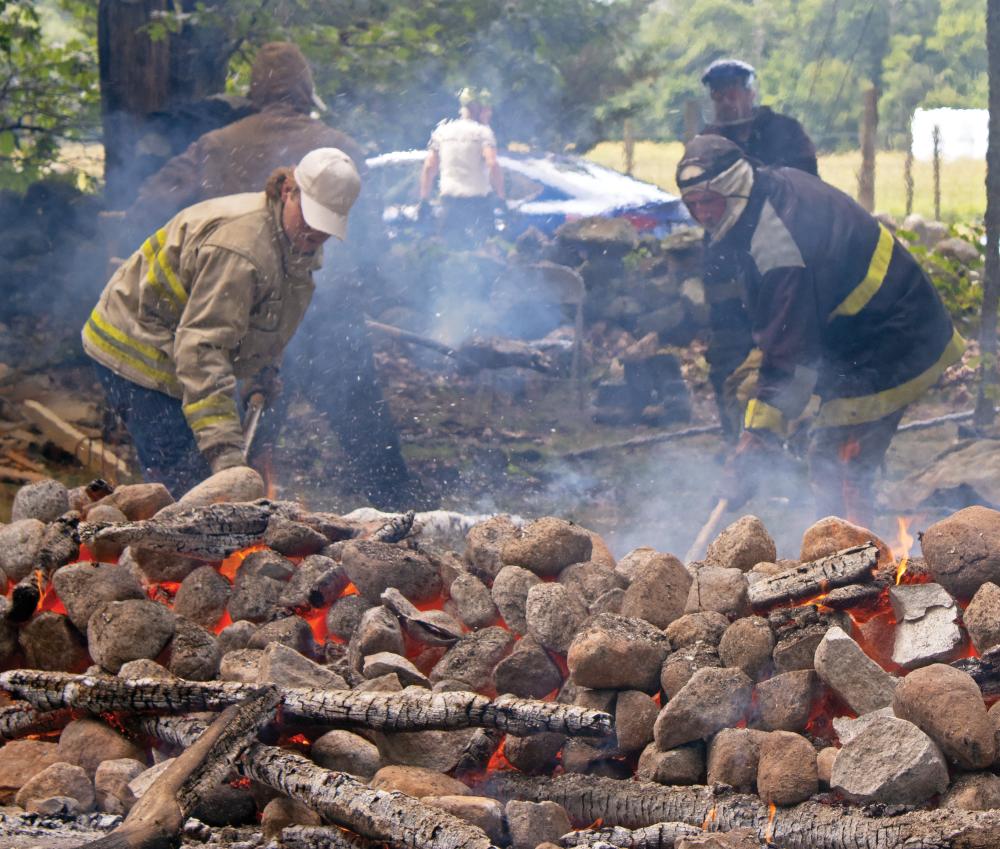 Dressed in firefighter gear, men remove the wood from the fire.
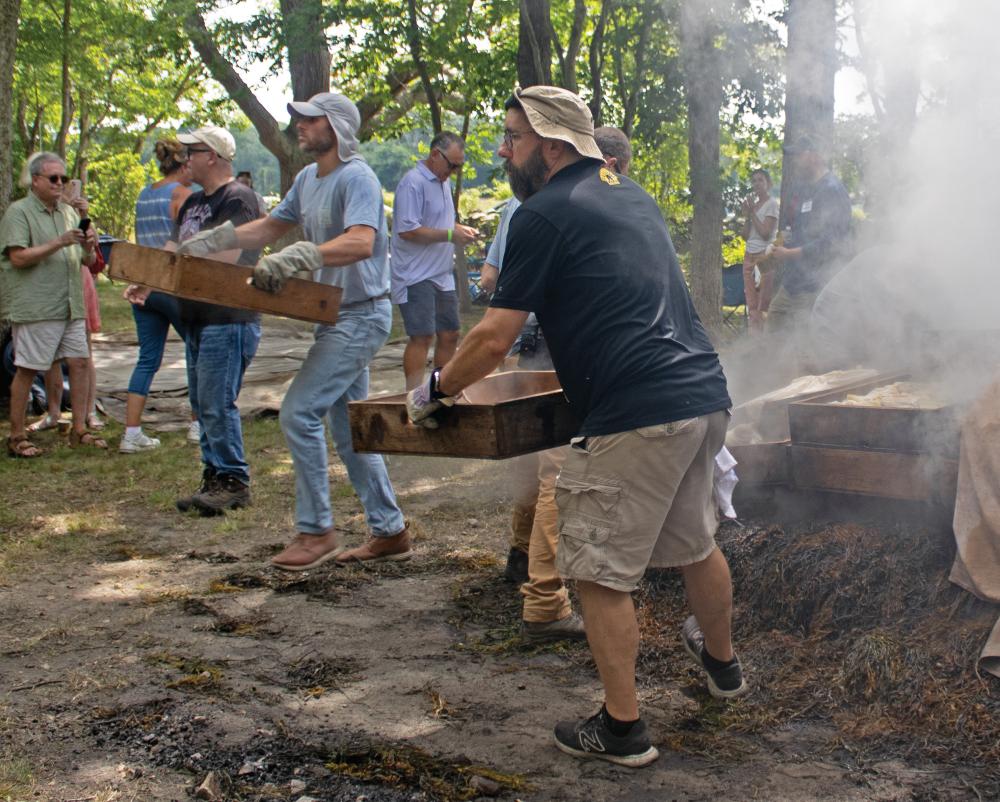 Bringing racks of food to a table.
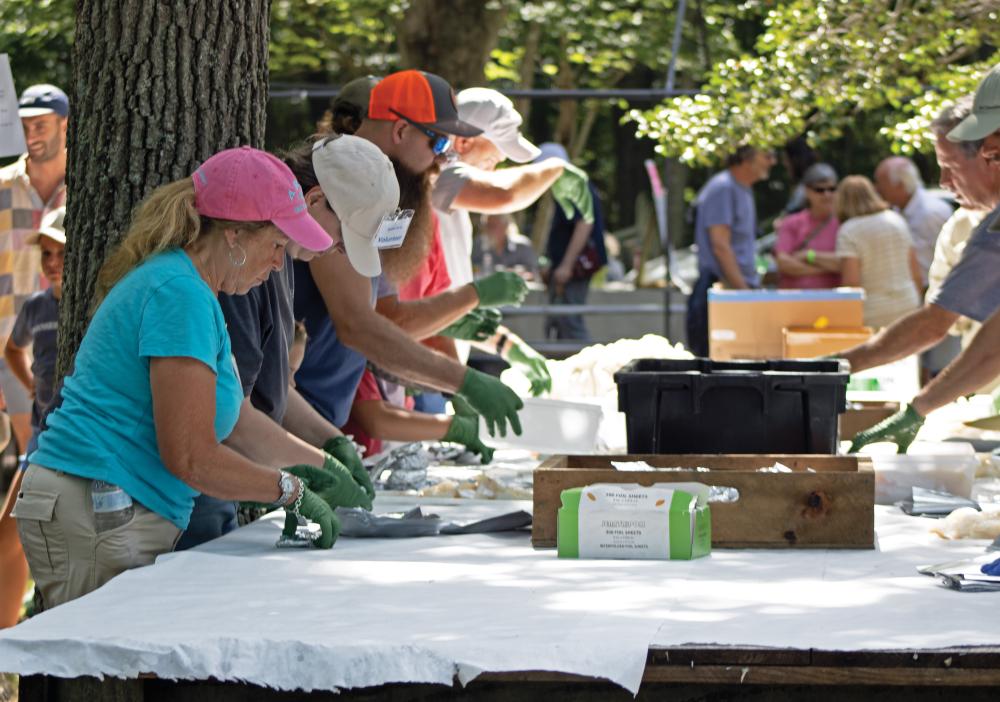 Wrapping fish in tinfoil.
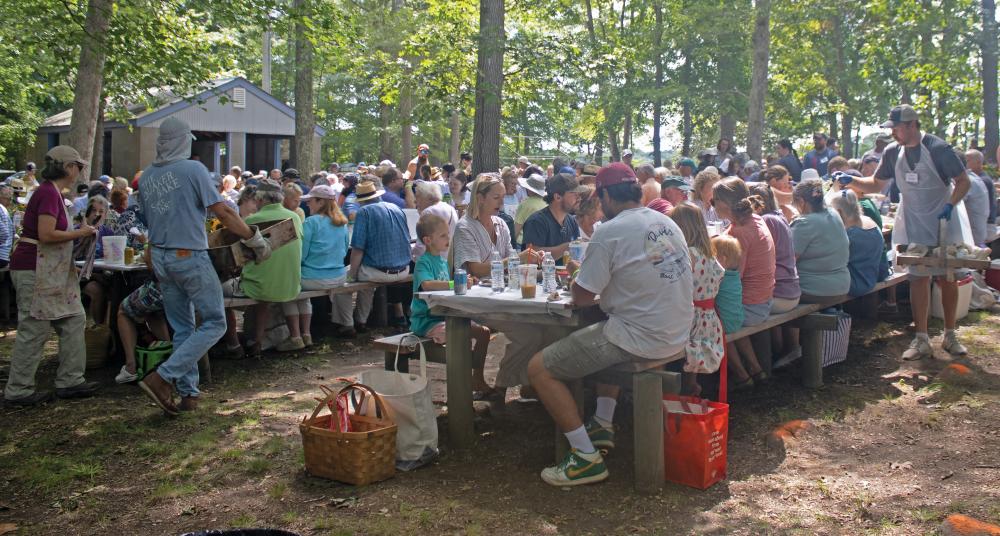 Around 500 people came out for the meal.
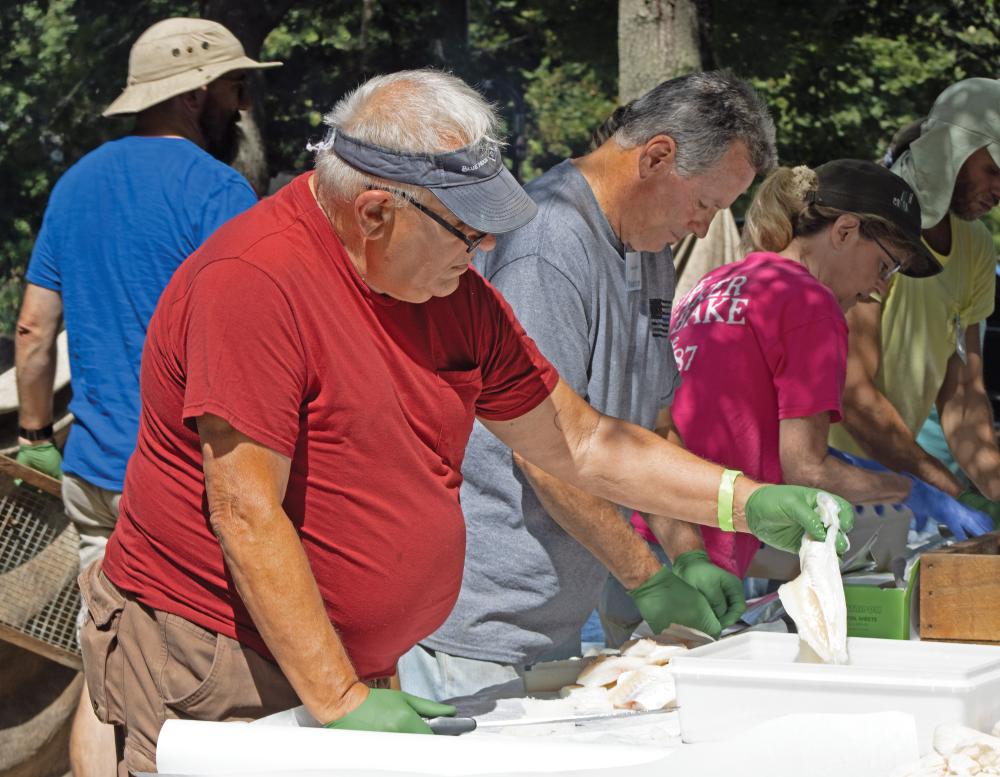 Grabbing a piece of fish to slice.
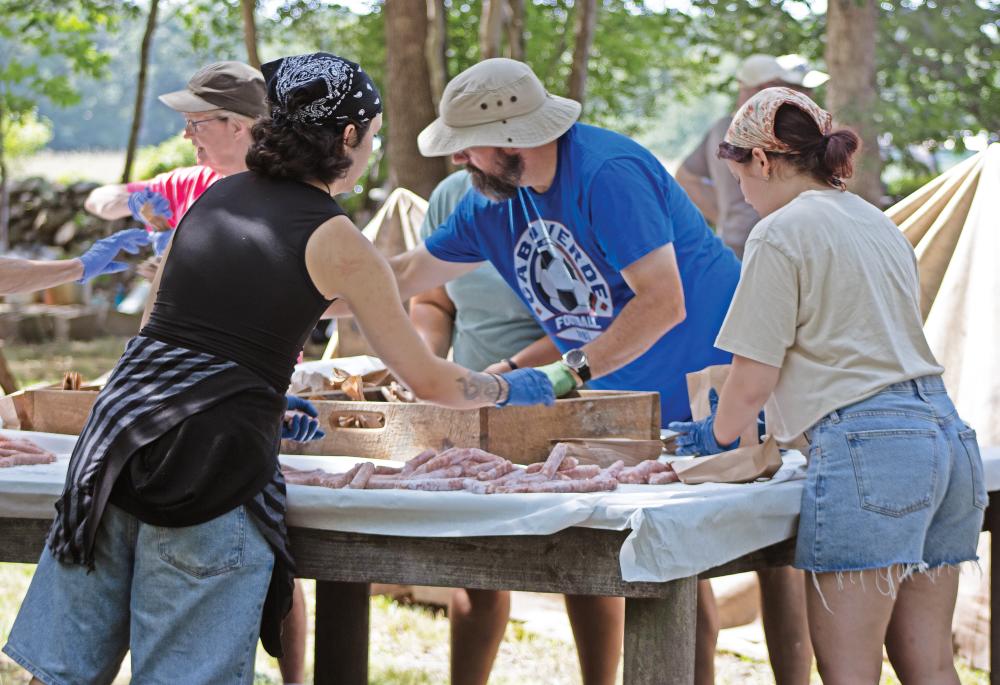 Packaging sausages for the bake.
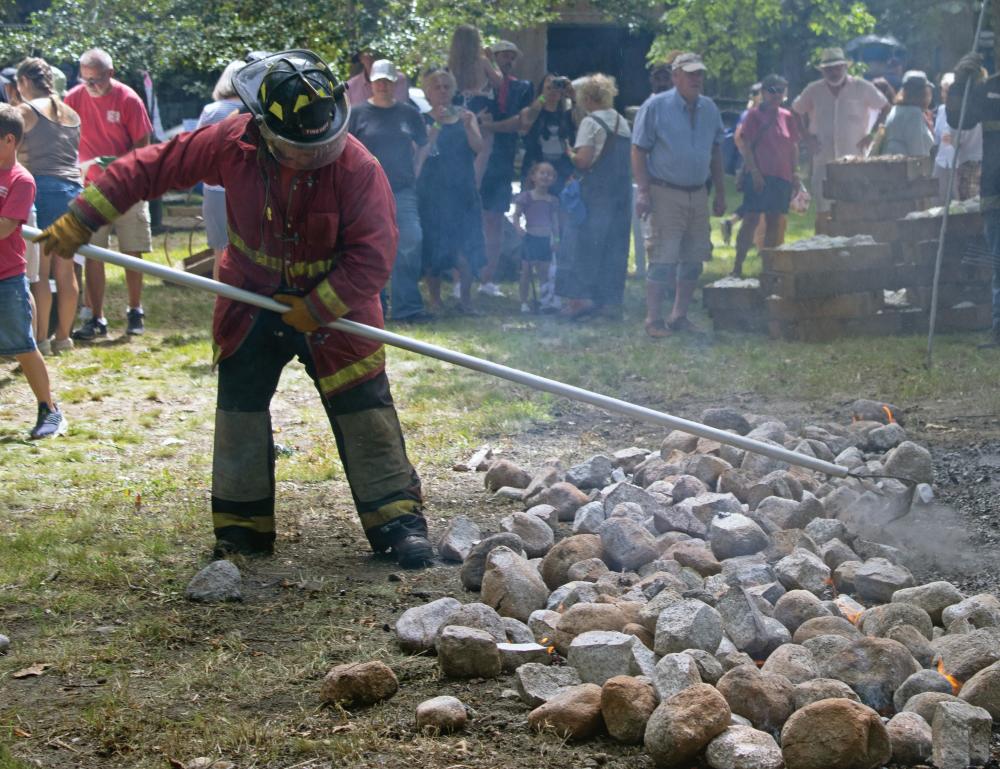 Removing stones from the fire.
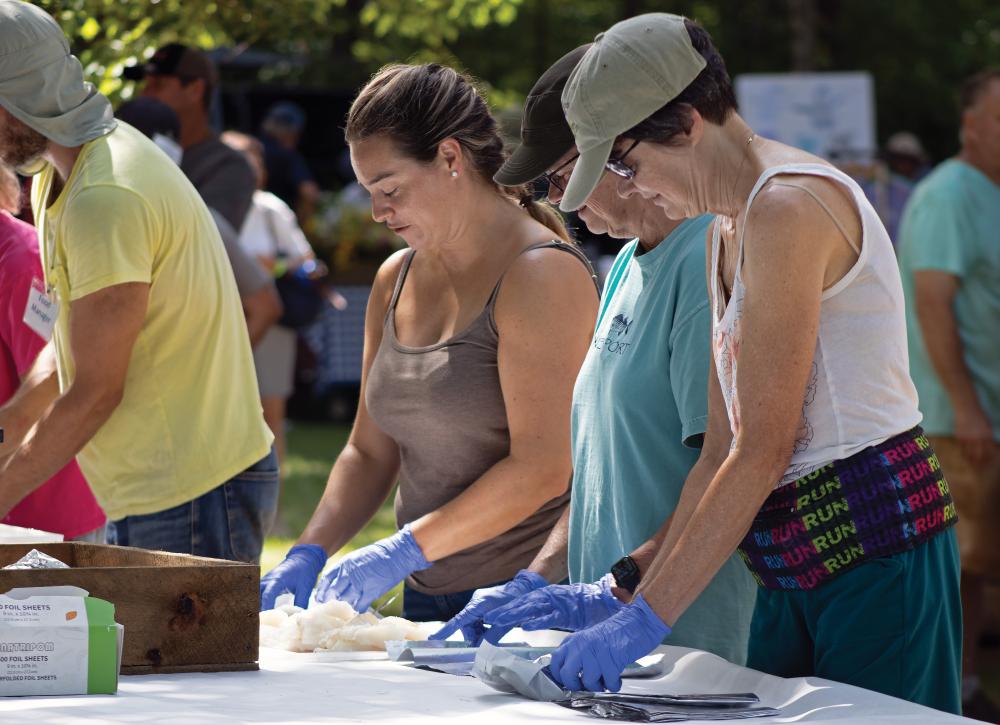 Preparing fish for the bake.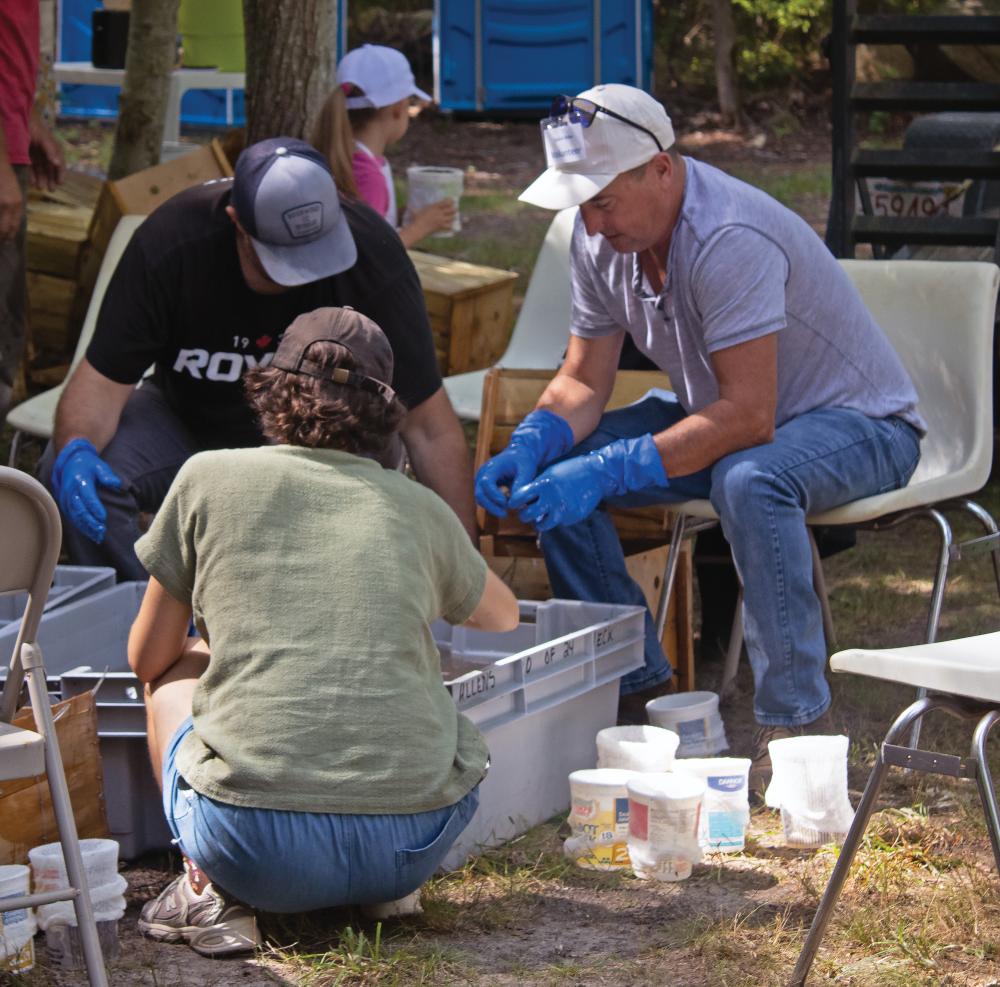
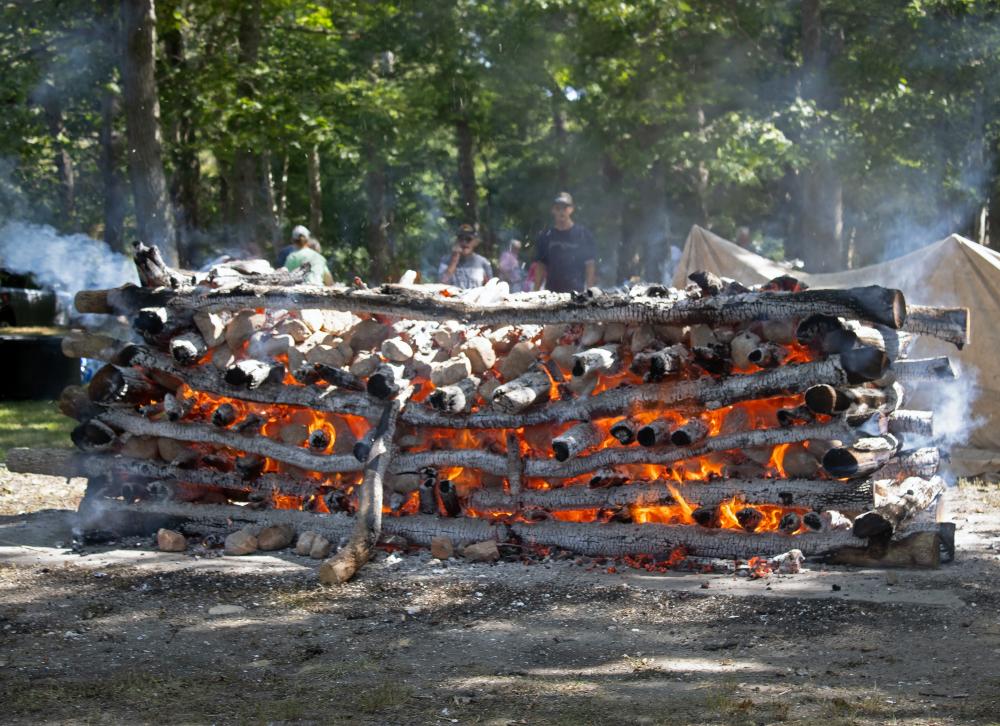 The fire burns, heating up the stones that will cook the food.
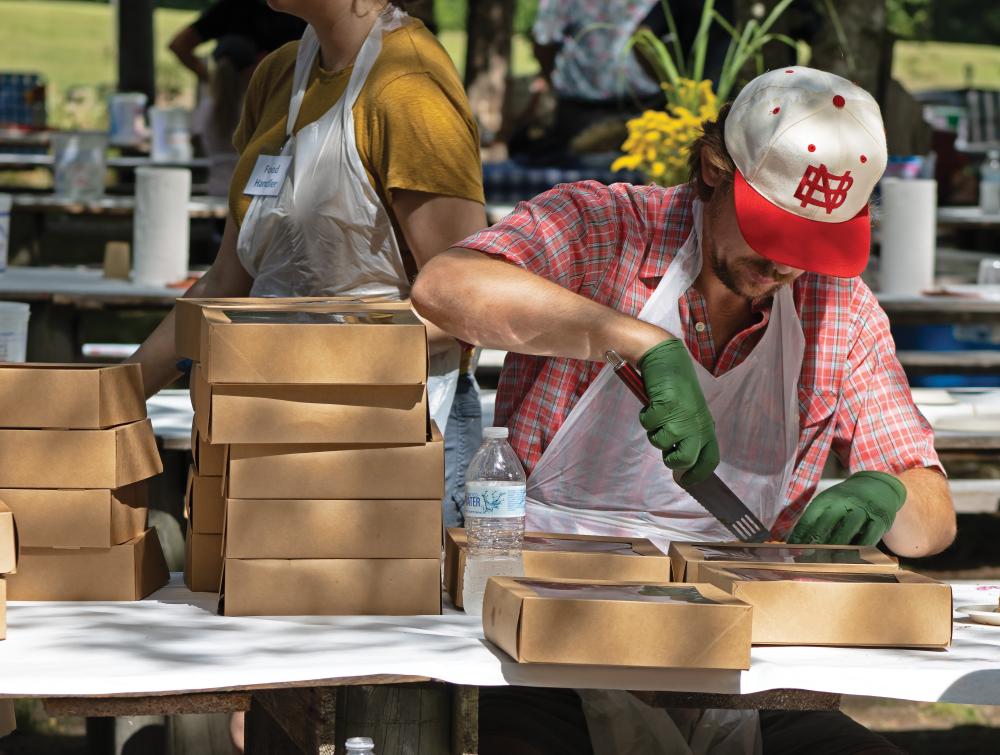 Slicing up a pie.
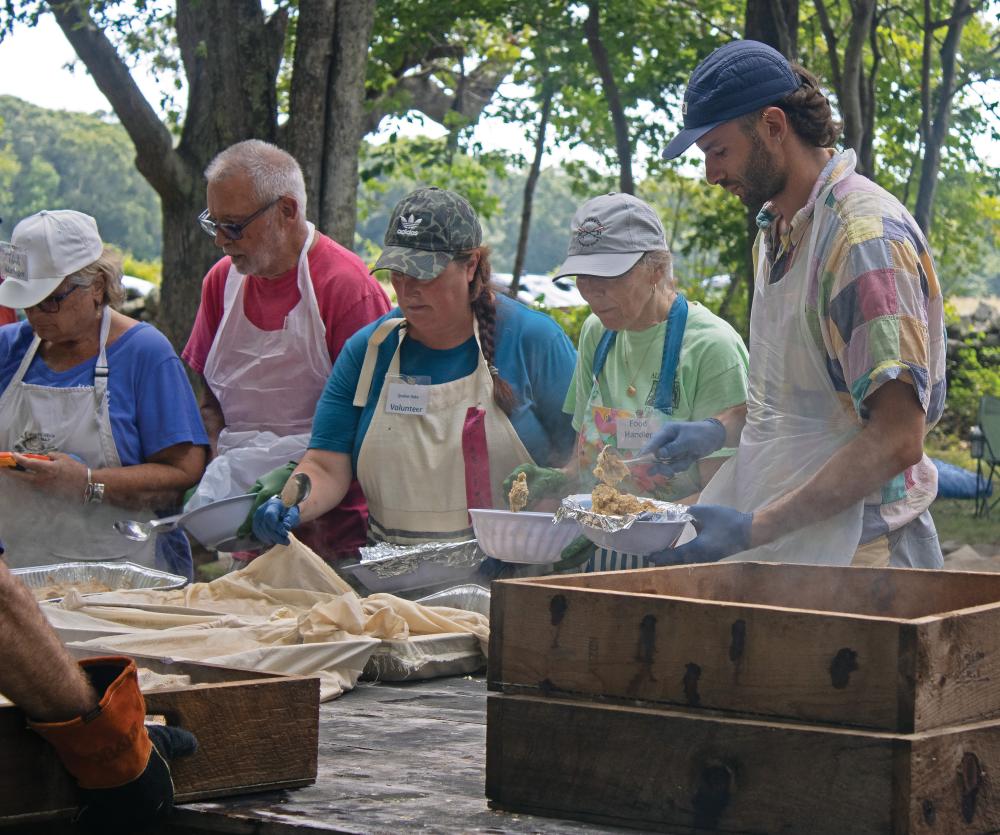 Dishing out stuffing.
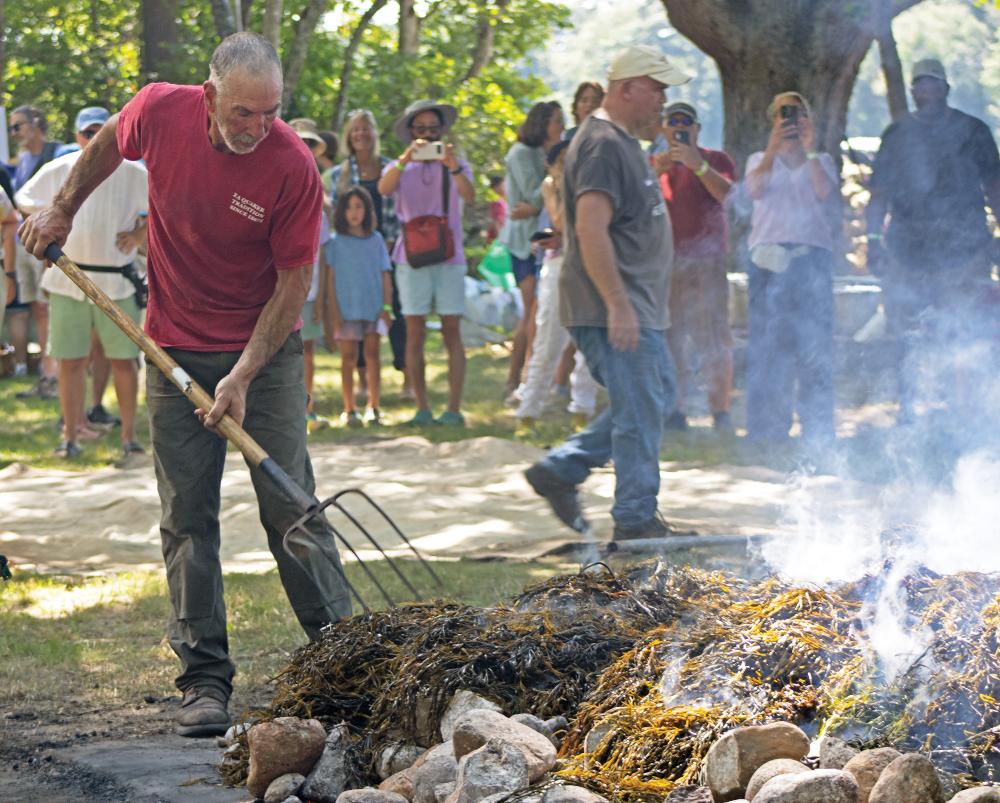 Raking seaweed.
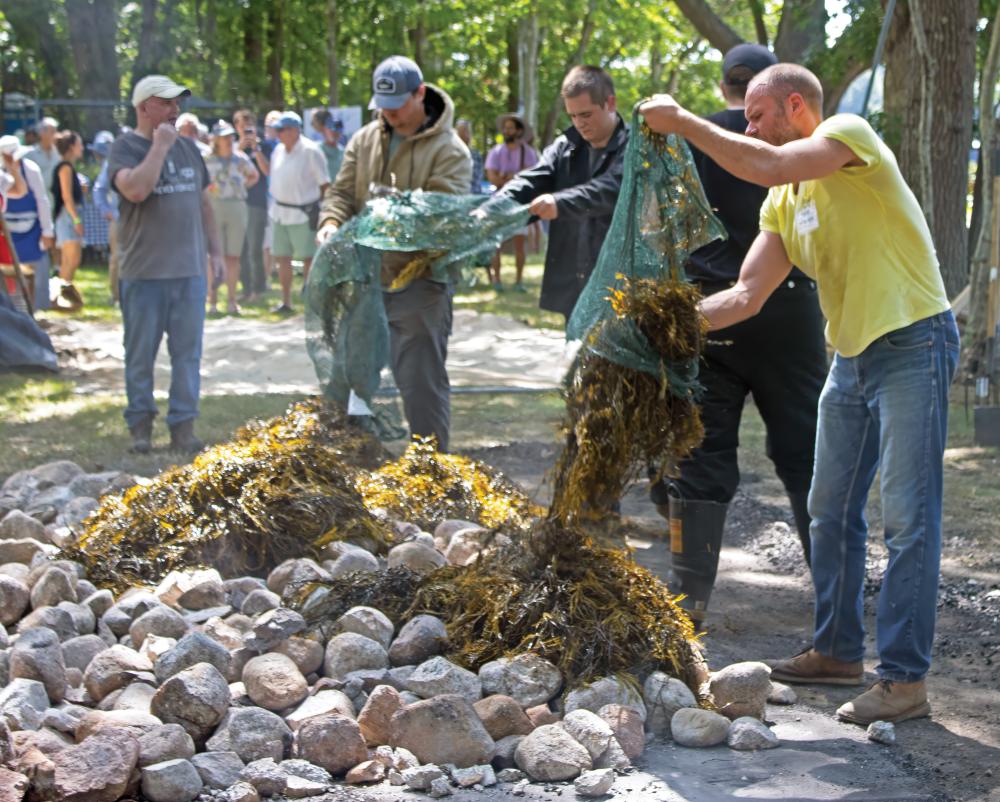 Dumping bags of seaweed onto the hot stones.
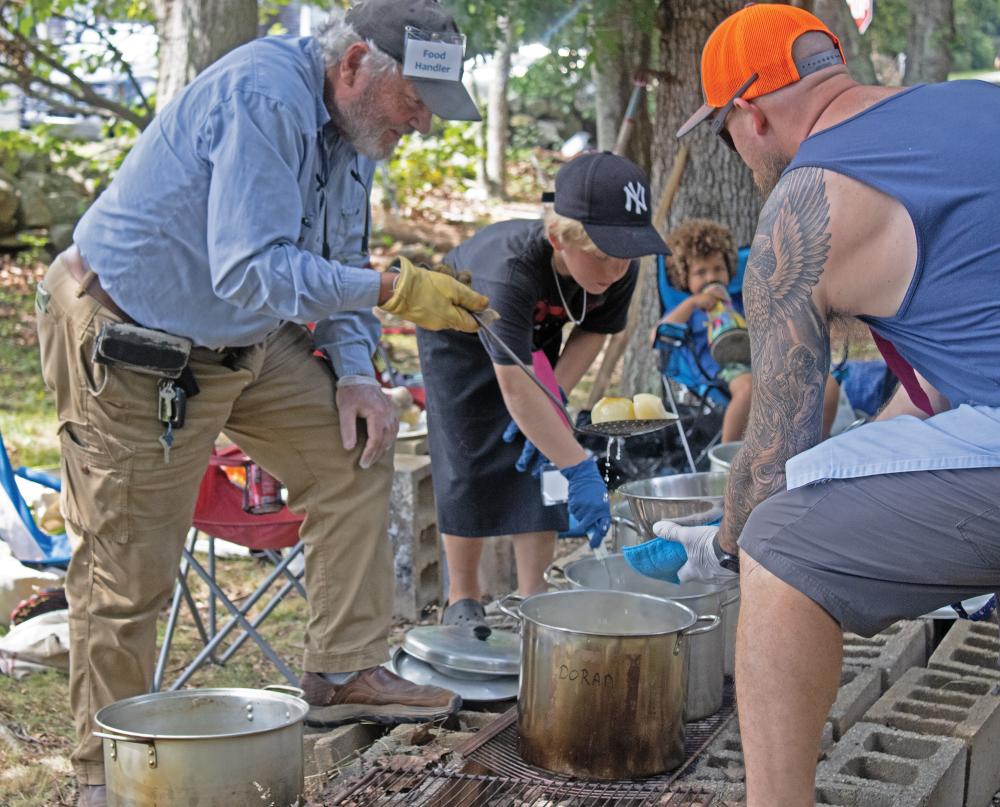 Dishing out onions.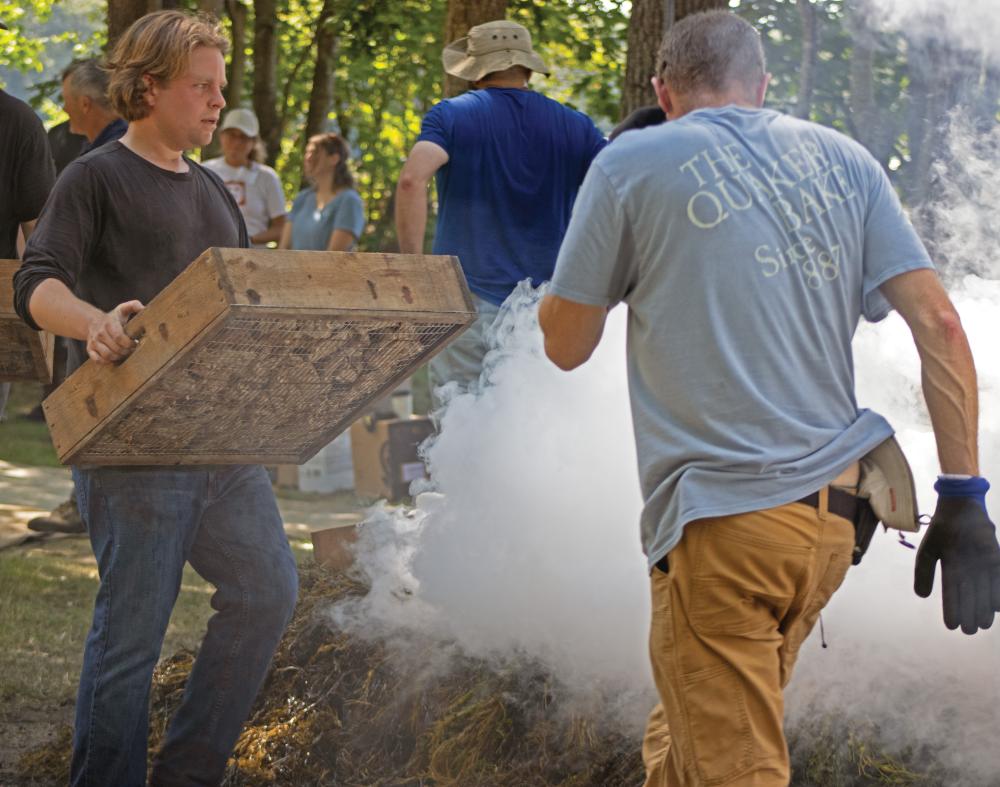
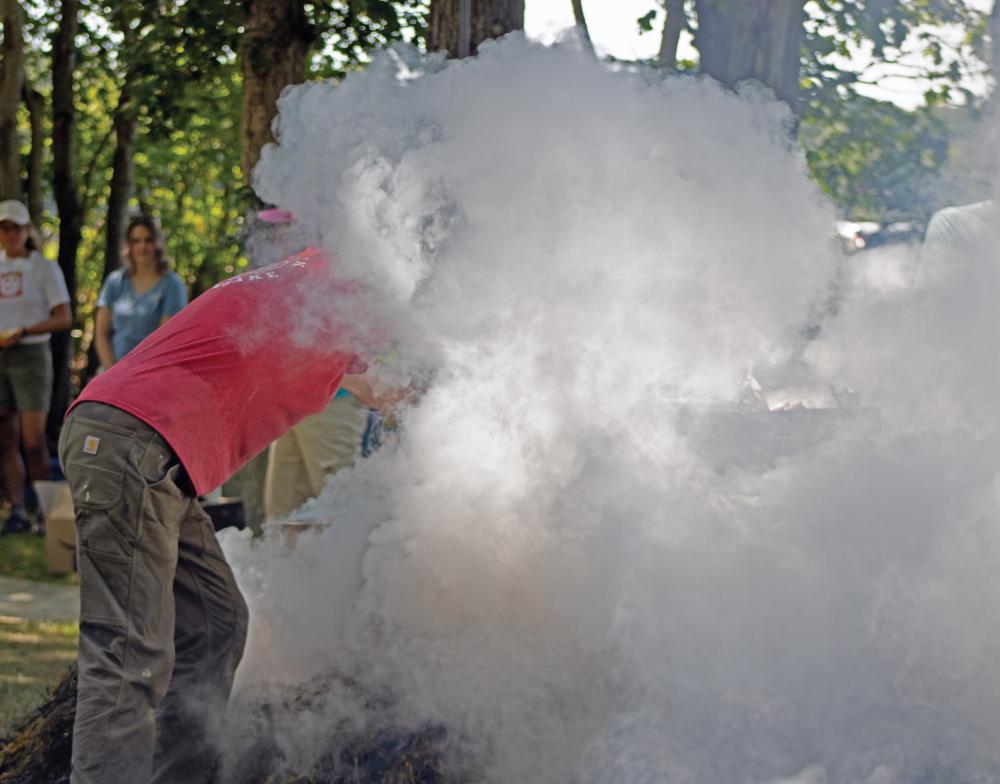 Placing a rack of food into the billowing steam.
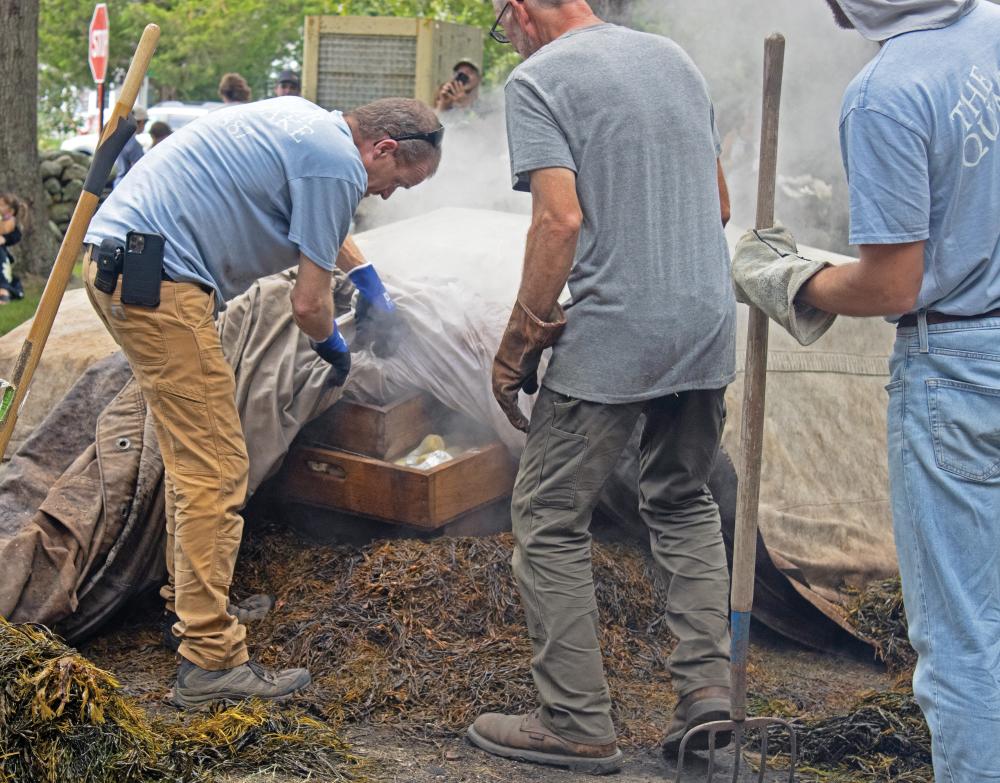 Checking on the food.
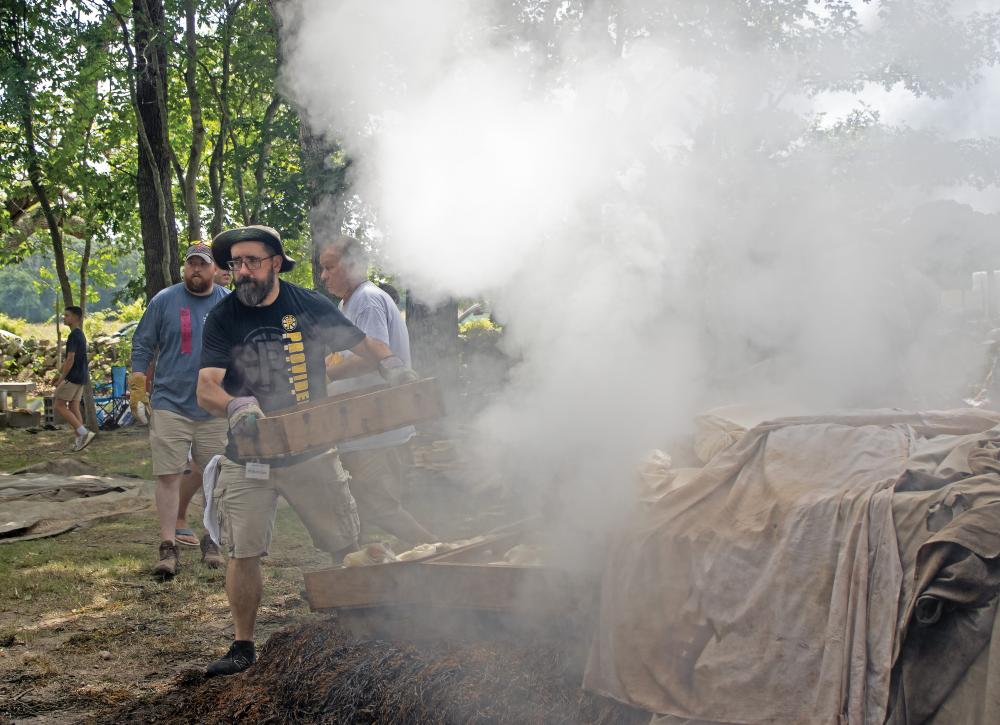 Retrieving racks of food ready to eat.
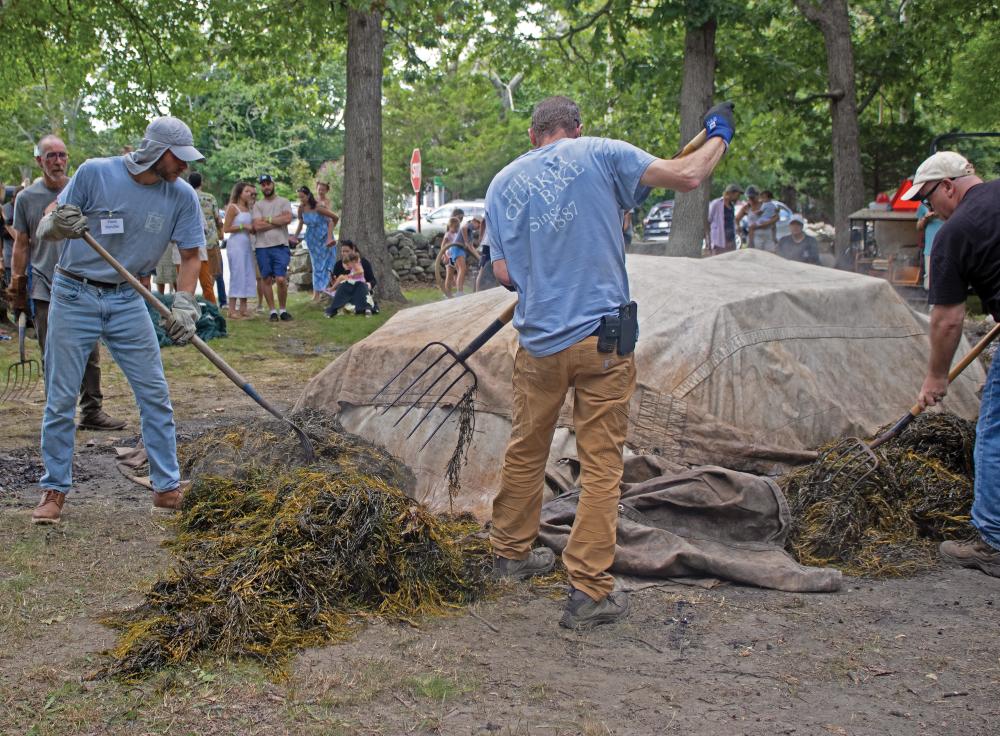 Raking away seaweed.
Suited up to rake away remaining embers. Photos by Abby Van Selous
Getting the stones out of the fire.
Steam billows from beneath the tarps.
Removing a tarp from the fire.
Dressed in firefighter gear, men remove the wood from the fire.
Bringing racks of food to a table.
Wrapping fish in tinfoil.
Around 500 people came out for the meal.
Grabbing a piece of fish to slice.
Packaging sausages for the bake.
Removing stones from the fire.
Preparing fish for the bake.
The fire burns, heating up the stones that will cook the food.
Slicing up a pie.
Dishing out stuffing.
Raking seaweed.
Dumping bags of seaweed onto the hot stones.
Dishing out onions.
Placing a rack of food into the billowing steam.
Checking on the food.
Retrieving racks of food ready to eat.
Raking away seaweed.
Raking away seaweed.
Suited up to rake away remaining embers. Photos by Abby Van Selous
Getting the stones out of the fire.
Steam billows from beneath the tarps.
Removing a tarp from the fire.
Dressed in firefighter gear, men remove the wood from the fire.
Bringing racks of food to a table.
Wrapping fish in tinfoil.
Around 500 people came out for the meal.
Grabbing a piece of fish to slice.
Packaging sausages for the bake.
Removing stones from the fire.
Preparing fish for the bake.
The fire burns, heating up the stones that will cook the food.
Slicing up a pie.
Dishing out stuffing.
Raking seaweed.
Dumping bags of seaweed onto the hot stones.
Dishing out onions.
Placing a rack of food into the billowing steam.
Checking on the food.
Retrieving racks of food ready to eat.
Raking away seaweed.
Nearly 140 years ago, Allens Neck Friends Meeting held their first annual clambake as a First Day School event. Years later, the clambake draws close to 500 people for a meal of clams, fish, sausage, sweet potato and freshly sliced watermelon.
“Started out as a Sunday school picnic, and then people wanted to come, so they decided to charge for it,” said bakemaster Michael Harrison.
On Thursday, Aug. 20, Allens Neck Friends Meeting held their annual clambake, which Andrew Pollock, who has participated in around 20 clambakes, called “very traditional,” noting that it’s the oldest bake in the country.
“The joke in the Quakerism is that there’s no sacraments except the clambake,” Pollock said, “So as a big event for the Meeting, we feel that it’s a wonderful showcase of Quakers and what we do and how we do it.”
Planning for the clambake takes just one meeting held in mid-spring, as “everyone knows what they’re doing, and they trust everyone,” Pollock said.
The day of the clambake itself begins in the early morning around 7 a.m. when granite stones are piled between branches that are set aflame.
While the stones heat up and the fire burns, around 100 volunteers prepare the food, whether it’s slicing fish and packaging it in tin foil, putting sausage links into paper bags, or cutting slices of pie.
Once the wood burns down and the stones are heated up, men in fire protective gear take up pitchforks and other tools to separate the stones and remaining pieces of wood. Rockweed — a type of seaweed — is layered on top of the stones before racks of clams and vegetables are piled up then covered by several layers of tarps.
Additional rockweed is then placed around the border of the tarps to keep the steam and heat trapped inside.
“You have to be pretty systematic with it,” Pollock said of the process.
Harrison said the meeting wouldn’t be able to host the clambake without volunteers who aren’t members of the meeting.
“We have quite a few volunteers that are usually people that are either friends of somebody in the meeting or family of somebody in the meeting — they come once, they get hooked, they come every year,” he said.
Pollock said that the clambake is a “tradition for folks” and noted that a lot of people who attend are often from families that have “been here for years.”
“This is kind of a local, traditional neighborhood event for friends,” he said.
Harrison said being the bakemaster doesn’t entail much because “most people know what they’re doing.”
“Mostly just building the fire, making sure the fire is hot enough and then putting the food on the fire,” he said of the job of bakemaster.
Like many others at the clambake, Harrison has been involved with its production ever since he was a young child.
“It’s a lot of work, but I wouldn’t miss it,” he said. “I wouldn’t miss it for the world."