











Board of Public Works announces town not nearing sewer moratorium
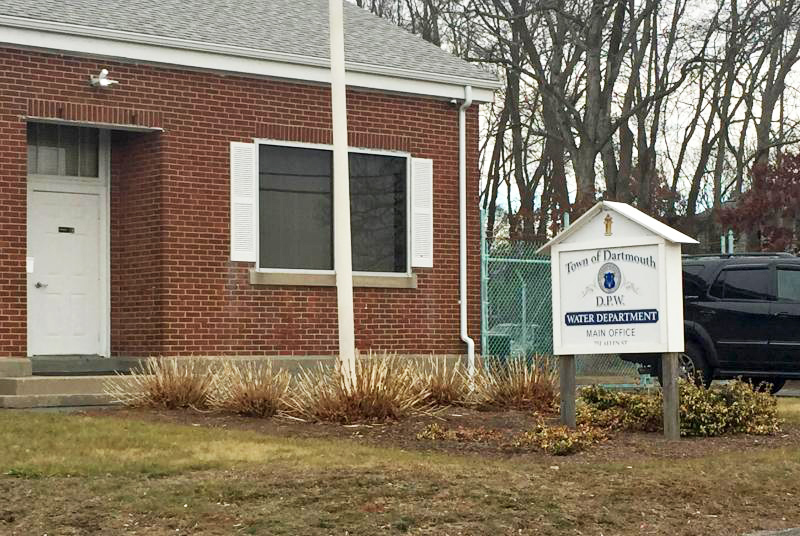
The Board of Public Works clarified that the Wastewater Treatment Facility is not at capacity and the proposed housing developments will not push the facility over capacity.
The Board conducted a study where they looked at the daily and monthly gallons of water treated from 2018 to 2026.
The facility can handle an average of 4.2 million gallons a day, and 80% of that is 3.36 million gallons. When the yearly average of sewer treated in a day is more or equal to 3.36 million gallons a day the sewer is considered over capacity.
When this happens, the state can step in and place a moratorium on the facility. A moratorium would stop anyone from connecting to the sewer system. This would include both developments and people in town who currently pay betterments but have not actually connected to the sewer.
The study found that the monthly average flow exceeded the total capacity 7% of the time. The monthly average exceeded 80% of the capacity 27% of the time.
This is mostly due to events like heavy rain storms that flow into the systems and the aeration tanks. When the facility goes over 100%, it is unable to treat all the sewer. This can cause untreated water to overflow.
They found that even with the anticipated extra gallons from the multiple proposed housing developments, the town should not exceed a yearly average of 80%.
The board stated that with the added developments, the flow would increase by about 9%.
There are eight developments that are proposed to be moving to Dartmouth, bringing a total of 1,102 units. There will be a combination of studios, one, two and three bedroom units. For a total number, the Dartmouth Week is counting studios as one bedroom. This will bring a total of 2,091 bedrooms to town. These include luxury, affordable and age-restricted housing. All eight of the projects have been approved, with many having begun construction. Combined, these would bring an estimated average of 268,000 gallons a day.
“It pushes the amount of times to higher than currently going over the 80% but not higher than 100%,” said Department of Public Works director Tim Barber.
The first step of a moratorium is creating a Comprehensive Wastewater Management Plan, which the town has already started. One of the first steps of the Management Plan is to upgrade the Facility’s aeration systems, which the funding for is being voted on during Fall Town Meeting.
The Department is requesting permission to borrow up to $5,500,000 for sewer system upgrades such aeration improvements.
The Board hopes that by acting proactively and working on the Management Plan will reflect positively on them with the state should the Town hit 80% capacity.
A number of the development projects would require more of the current pump system than it can handle, which is why the Department has begun planning upgrades to the aeration systems.
The town also received a state grant for $2,265,000 for improvement of the sewer system. This is part of the Massachusetts Community One Stop for Growth, which is for bringing housing and economic development to Massachusetts through public infrastructure. However, this was not enough to cover the improvement and replacement costs.
In the past, Public Works has expressed concern over the number of people this development would bring. The Board submitted a letter to the Town showing concern on the increasing population associated with the 28-unit Hathaway.
Another issue with this is the removal and transfer of biosolids, which is created after the wastewater is treated. The population growth from developments is expected to increase the amount of biosolids by around 9% as well.
Currently, the town treats biosolids by dehydrating it and composting it with wood chips to create a marketable product for gardens. This practice is no longer allowed and the town is expecting to have to spend around $1 million a year to transport the biosolids to a disposal site.
This is the cheaper of the options for biosolid removal; biosolids can be hauled away as a liquid or a cake form. The town plans to continue to dehydrate the biosolids for a cheaper removal option.
“The plant’s designed for 100%,” said Board member Ilidio (Lee) Azinheira, “They want to make sure is that when you hit 80 you come up with a plan so that you have something for the future.”