











After 234 years, Joseph Davis Burial Ground comes back to life
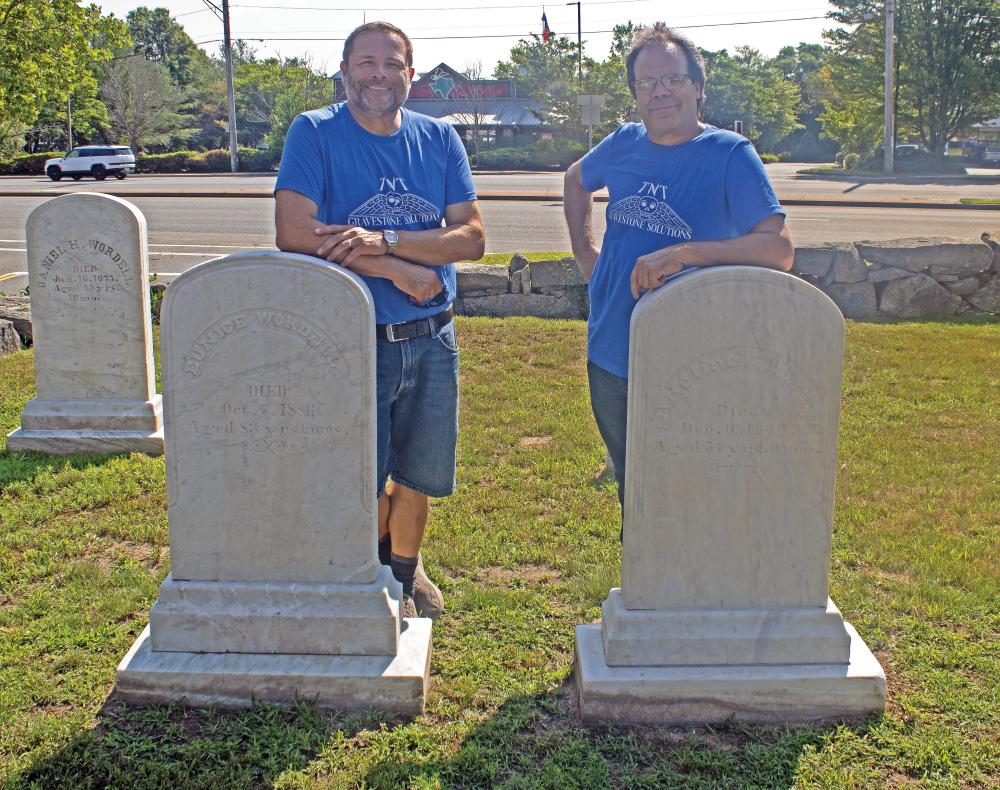 Todd Baptista, left, and Troy Rebello with two of the stones they restored. Photos by Abby Van Selous
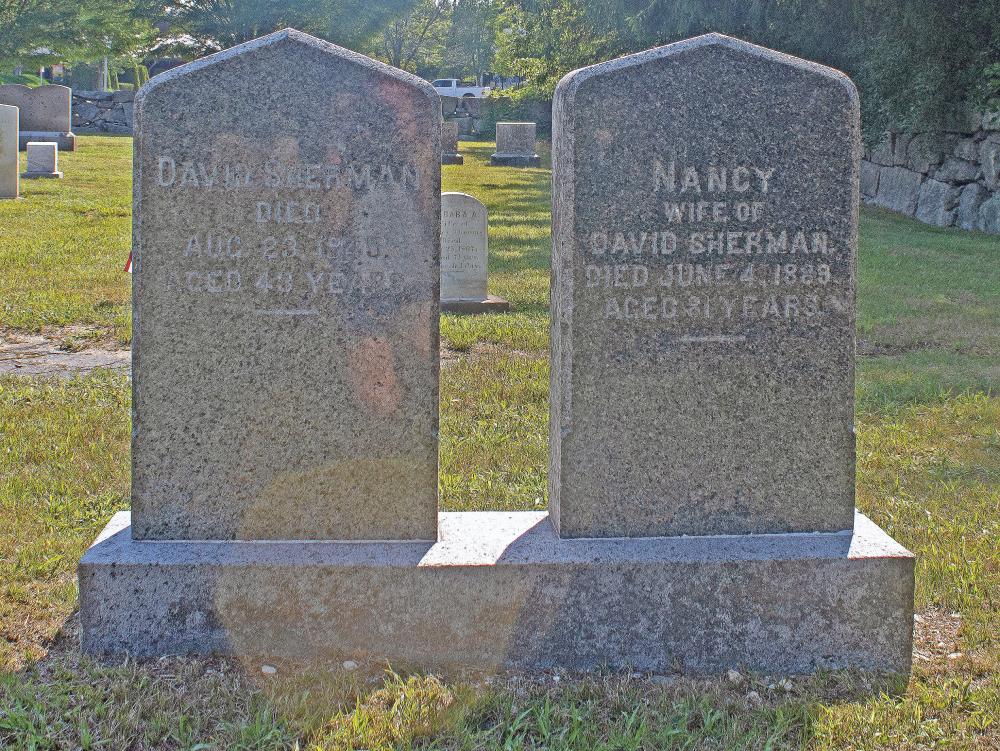 The first two stones cleaned.
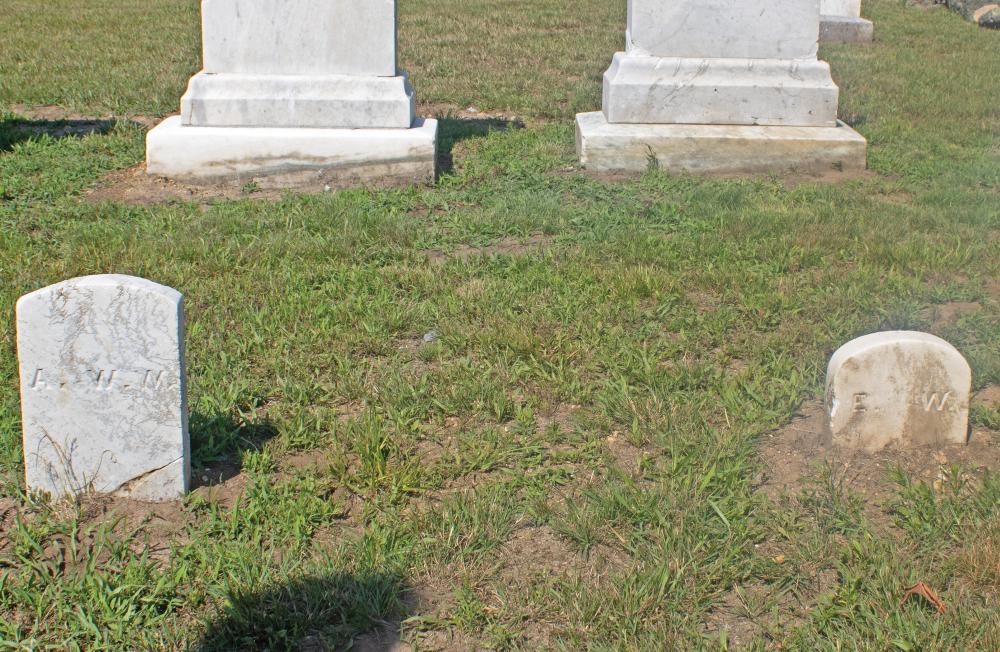 The headstones of a mother and her child. Both have partially disintegrated, with the child's headstone most noticeable.
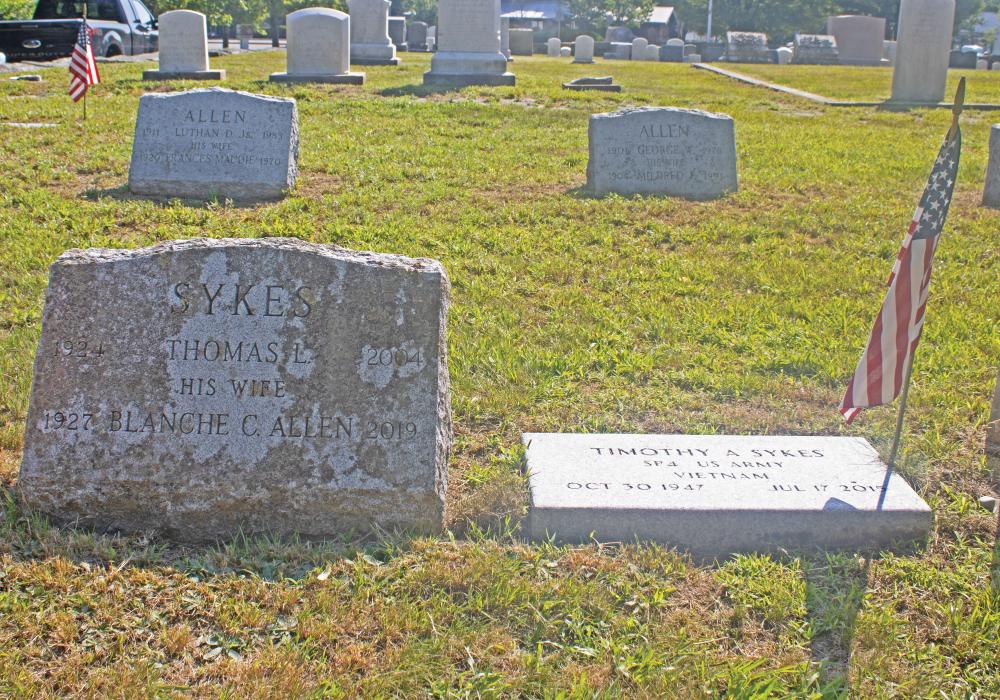 Members of the Sykes family who were most recently buried in the cemetery.
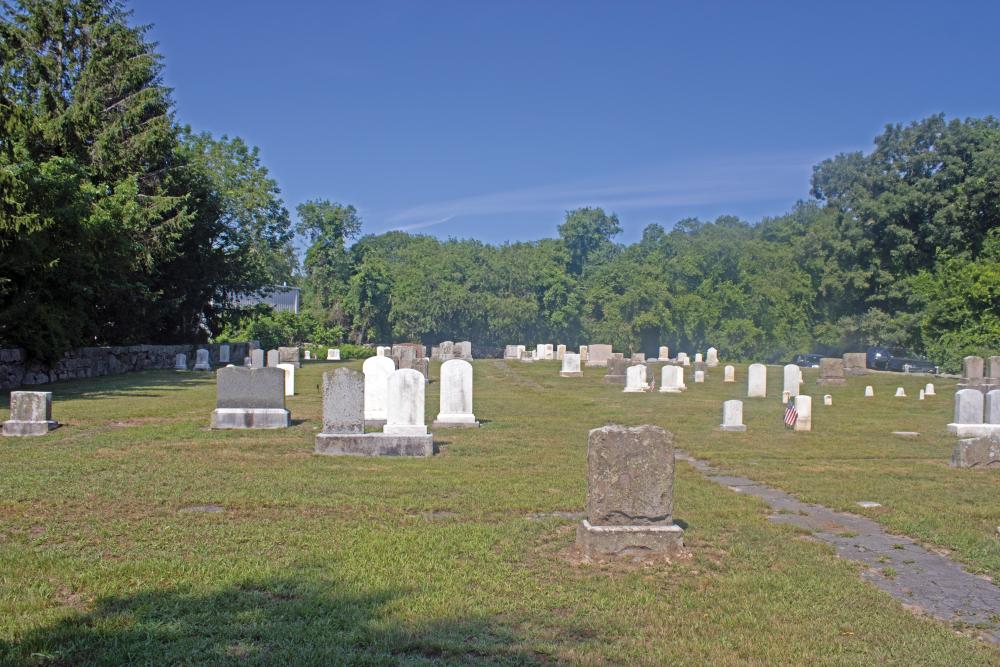 The Joseph Davis Burial Ground has 202 headstones, 90 of which have been restored.
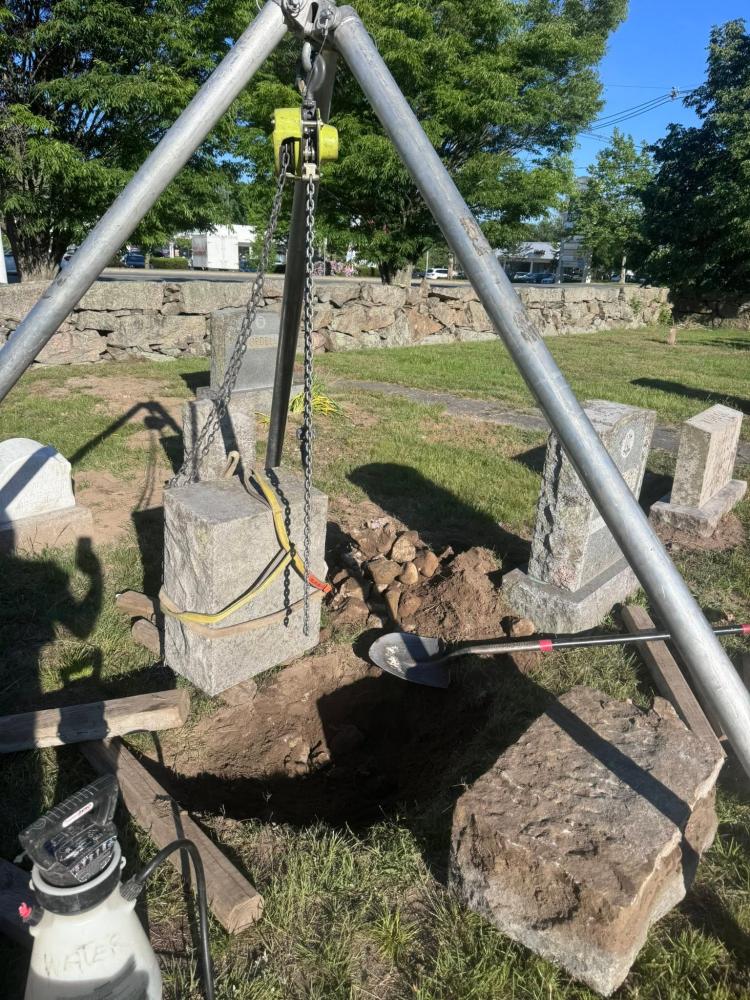 Machinery used to lift the 200-pound stones. Source: Todd Baptista
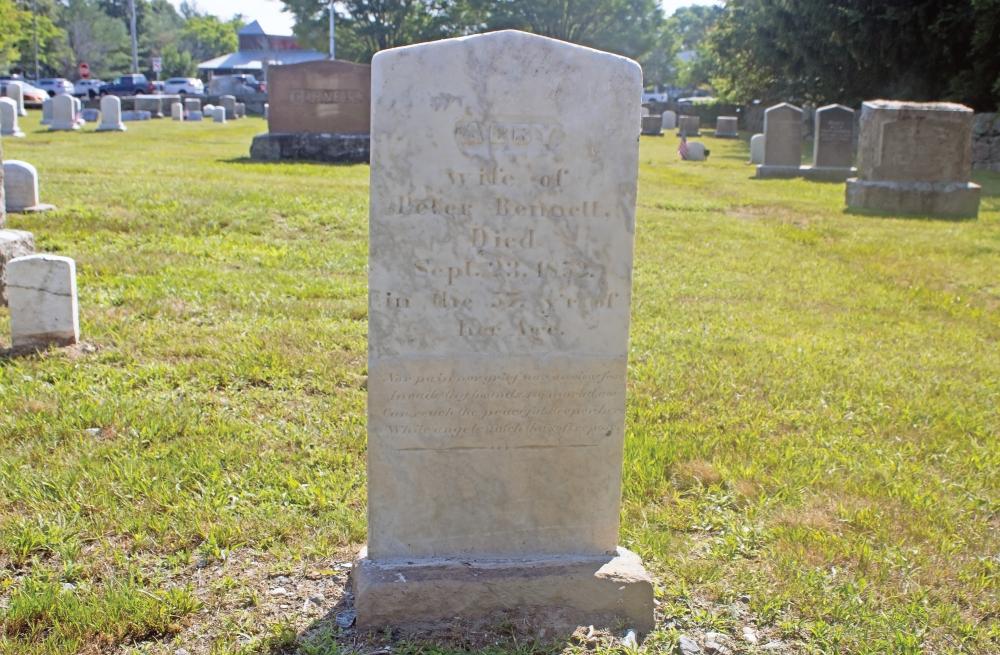 This headstone had been fractured into three pieces.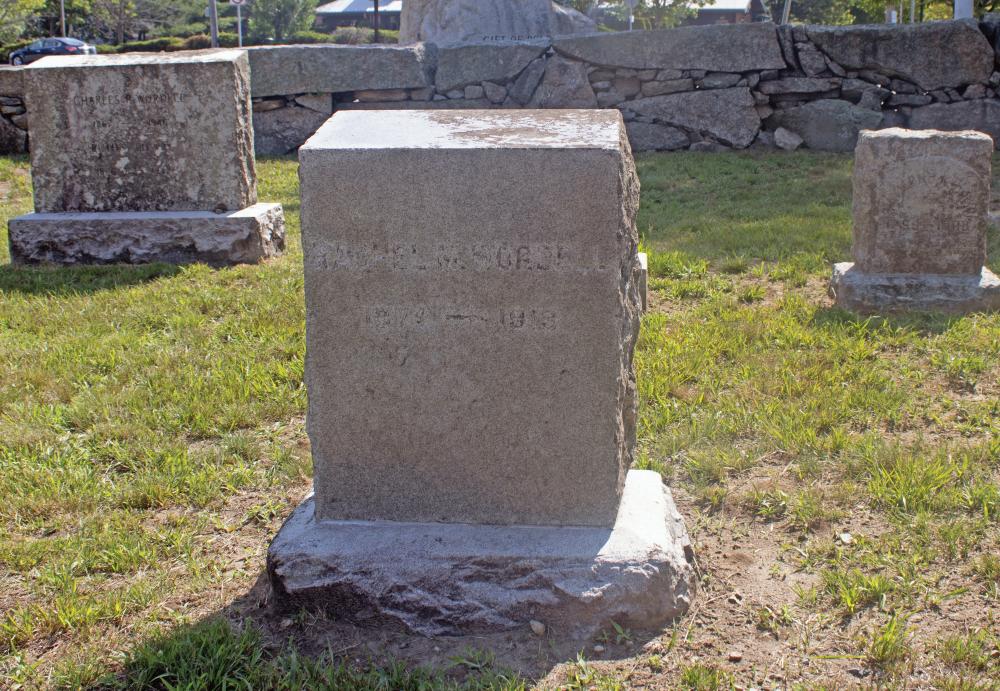
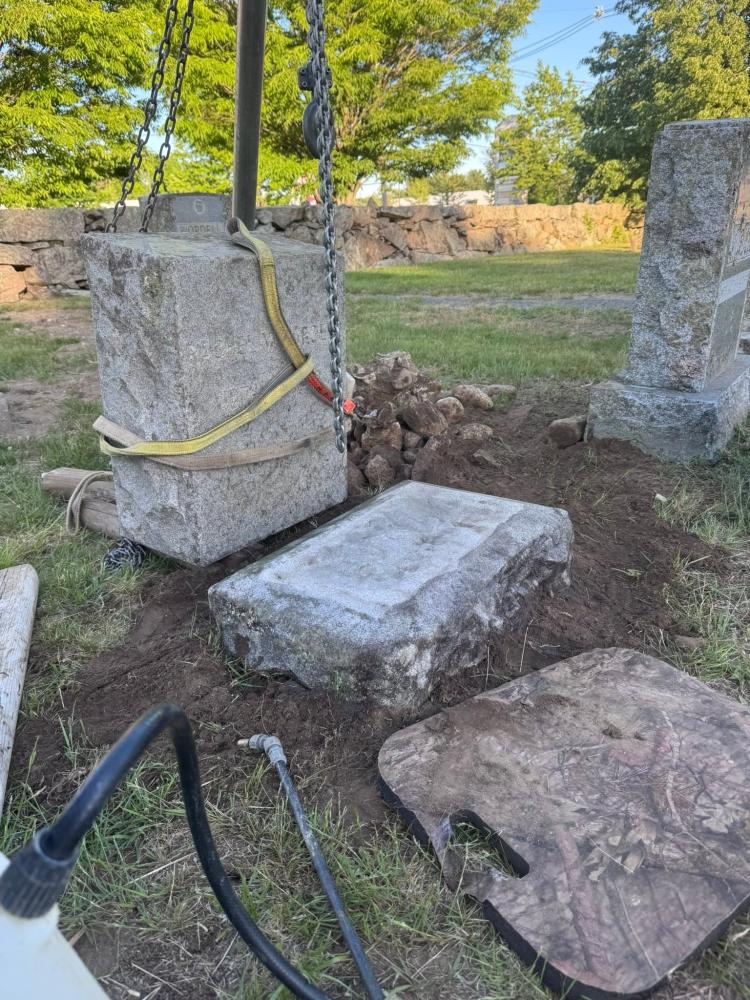 Rachel Wordell's headstone raised for restorations. Source: Todd Baptista
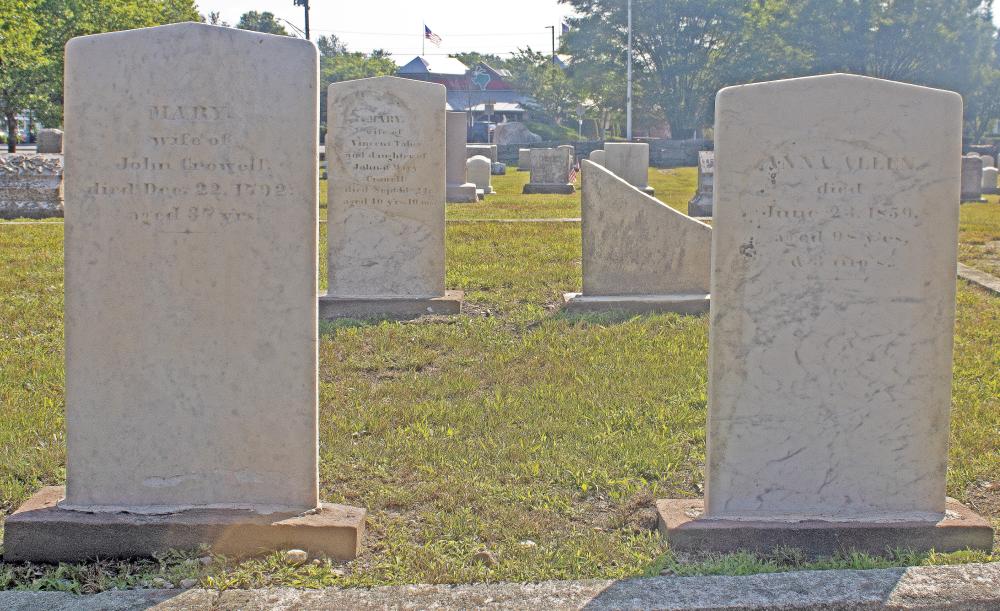 Mary Crowell, her headstone on the left, was the first person buried in the Joseph Davis Burial Ground.
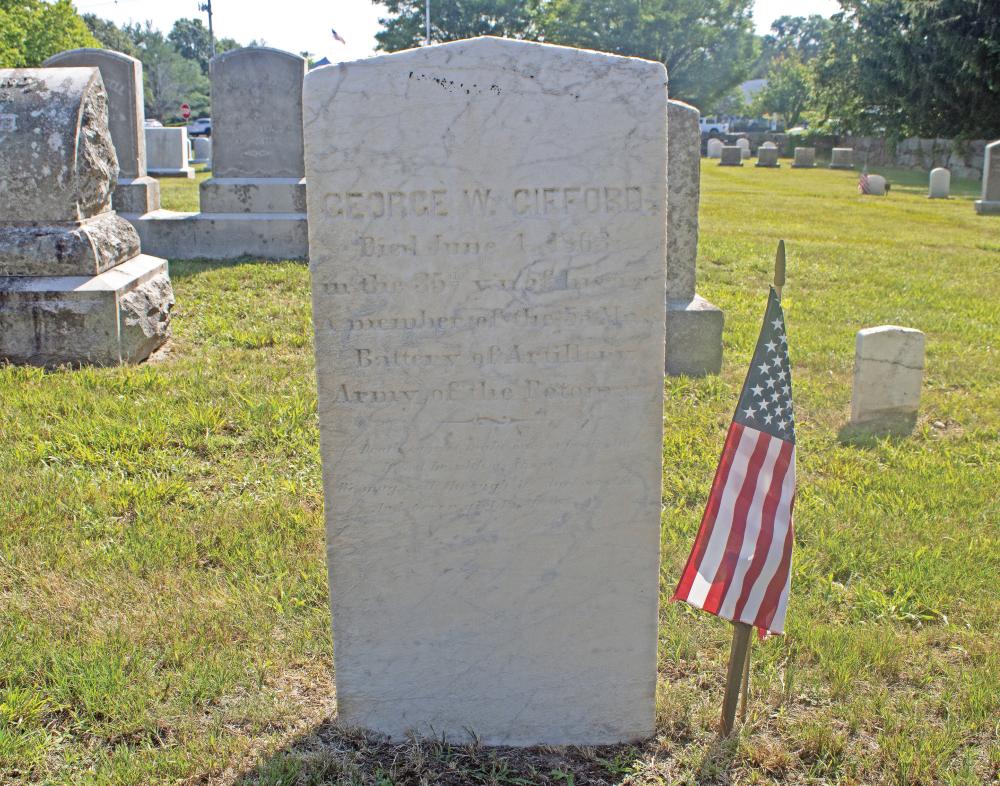 All veterans have an American flag by their headstones.
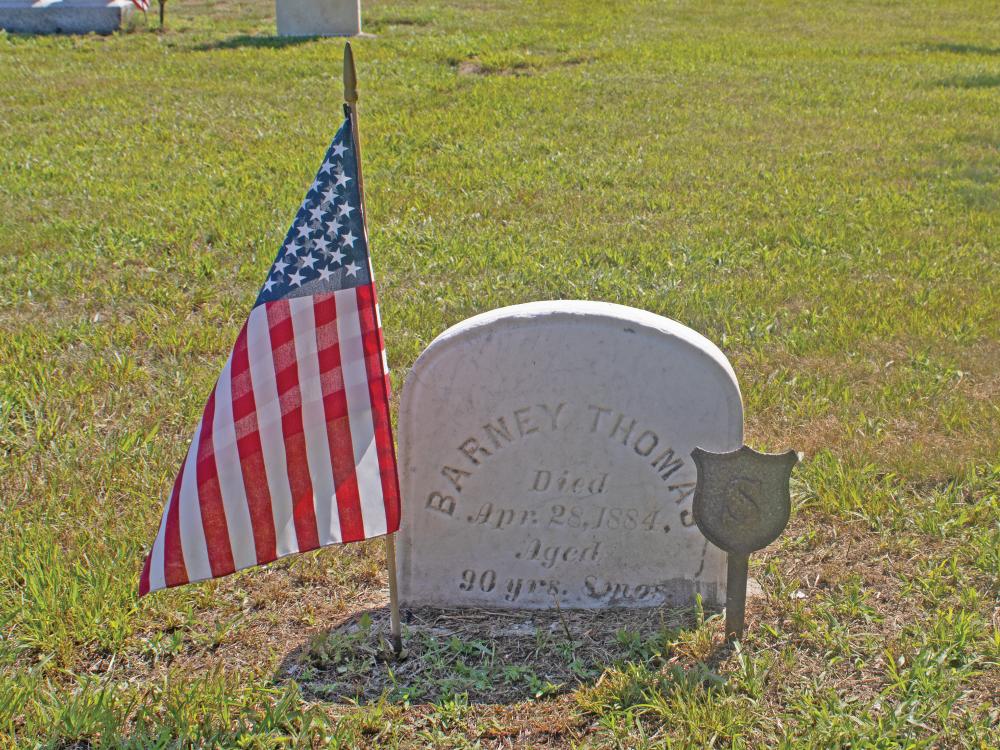 A Civil War veteran's headstone partially disintegrated from an improper restoration attempt.
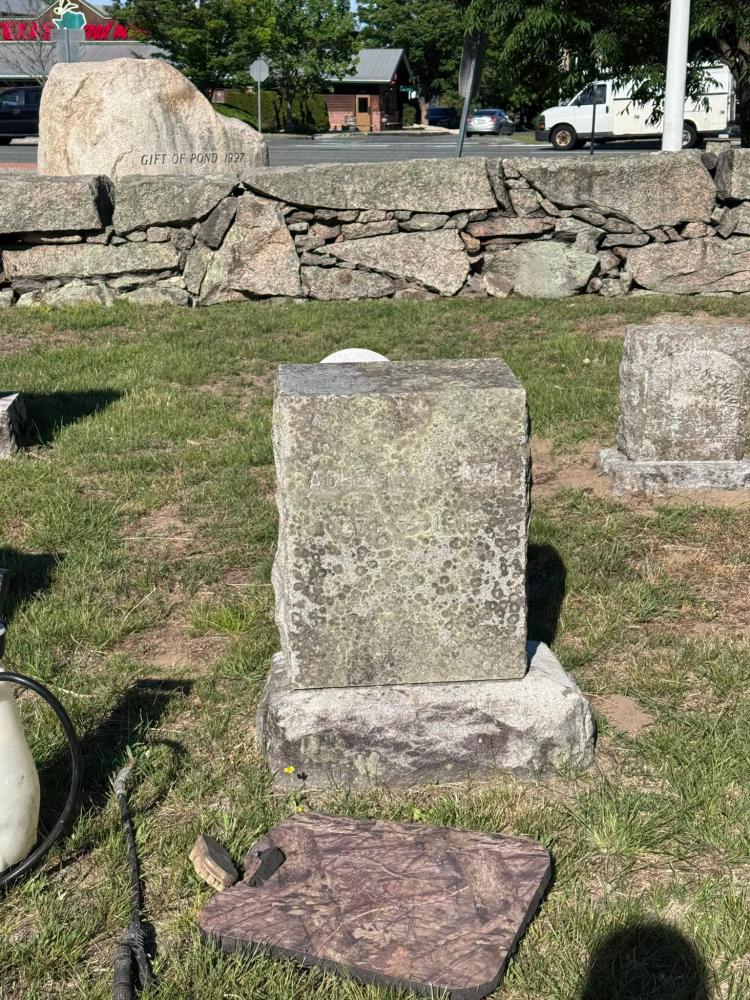 Rachel Wordell's stone before being cleaned and restored. Source: Todd Baptista
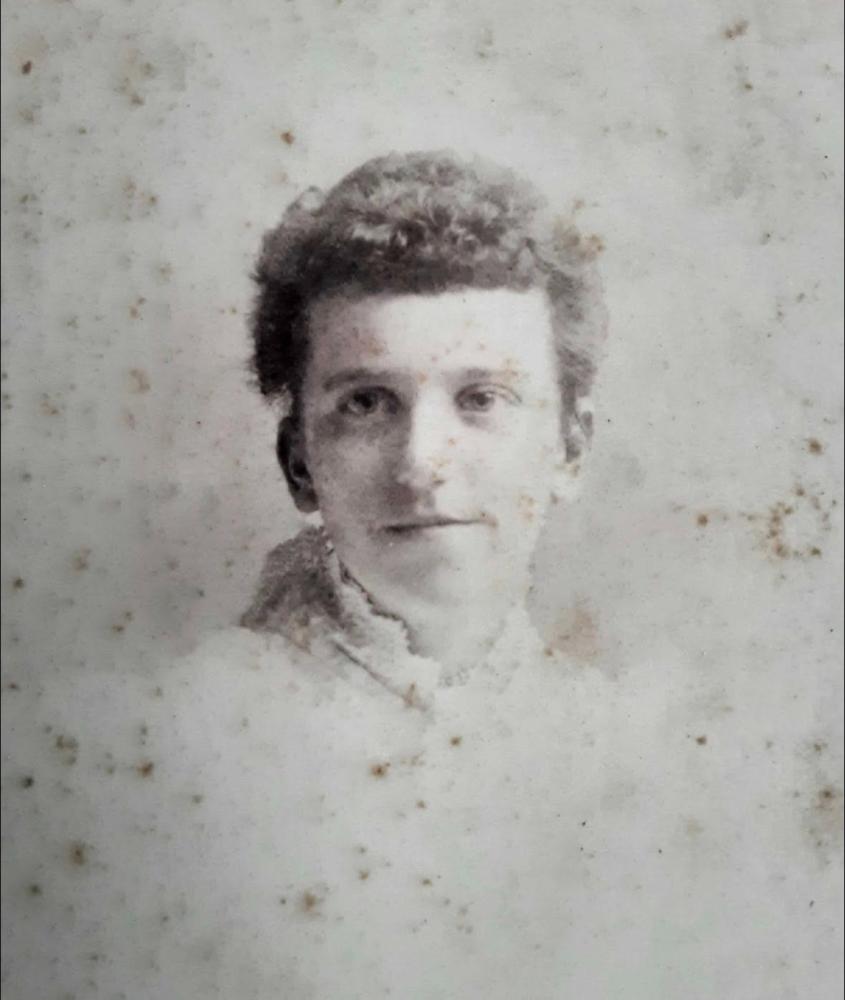 Rachel Wordell died from breast cancer when she was 39. Source: Todd Baptista
Todd Baptista, left, and Troy Rebello with two of the stones they restored. Photos by Abby Van Selous
The first two stones cleaned.
The headstones of a mother and her child. Both have partially disintegrated, with the child's headstone most noticeable.
Members of the Sykes family who were most recently buried in the cemetery.
The Joseph Davis Burial Ground has 202 headstones, 90 of which have been restored.
Machinery used to lift the 200-pound stones. Source: Todd Baptista
This headstone had been fractured into three pieces.
Rachel Wordell's headstone raised for restorations. Source: Todd Baptista
Mary Crowell, her headstone on the left, was the first person buried in the Joseph Davis Burial Ground.
All veterans have an American flag by their headstones.
A Civil War veteran's headstone partially disintegrated from an improper restoration attempt.
Rachel Wordell's stone before being cleaned and restored. Source: Todd Baptista
Rachel Wordell died from breast cancer when she was 39. Source: Todd Baptista
Rachel Wordell died from breast cancer when she was 39. Source: Todd Baptista
Todd Baptista, left, and Troy Rebello with two of the stones they restored. Photos by Abby Van Selous
The first two stones cleaned.
The headstones of a mother and her child. Both have partially disintegrated, with the child's headstone most noticeable.
Members of the Sykes family who were most recently buried in the cemetery.
The Joseph Davis Burial Ground has 202 headstones, 90 of which have been restored.
Machinery used to lift the 200-pound stones. Source: Todd Baptista
This headstone had been fractured into three pieces.
Rachel Wordell's headstone raised for restorations. Source: Todd Baptista
Mary Crowell, her headstone on the left, was the first person buried in the Joseph Davis Burial Ground.
All veterans have an American flag by their headstones.
A Civil War veteran's headstone partially disintegrated from an improper restoration attempt.
Rachel Wordell's stone before being cleaned and restored. Source: Todd Baptista
Rachel Wordell died from breast cancer when she was 39. Source: Todd Baptista
Walking around the 234-year-old Joseph Davis Burial Ground, Todd Baptista recalled the lives of the people buried in the cemetery.
Rachel Wordell, a young school teacher, died from breast cancer; a mother and her child died in childbirth and are buried side-by-side; and a Civil War veteran who was murdered and brought home by his father.
“Every stone has its own story,” Baptista said. “When we do the work, you don’t think of it in terms of ‘Okay, stone A has to have this done,’ Your mind always goes to ‘What was Sarah’s story?’”
Baptista and his business partner Troy Rebello work at TNT Gravestone Solutions in Westport, restoring cemeteries and headstones across Massachusetts and Rhode Island.
Most recently, they worked on the Joseph David Burial Ground, restoring 90 out of 202 headstones.
Restoration began in Fall 2025 after Town Meeting members voted to allocate $50,000 from the Community Preservation Fund to restore the cemetery and Baptista and Revello were hired for the project.
Community Preservation Funds are collected through a surtax on property taxes and can be appropriated by Town Meeting for purposes such as historic preservation.
Baptista recalled growing up in New Bedford and passing by the Joseph Davis Burial Ground, located on Old Faunce Corner Road.
“It’s kind of surreal that … something you’re familiar with as a kid, later in life, you have a chance to go back and revisit it and restore it,” he said.
When Baptista went by as a child, what he saw were discolored gravestones covered in lichen and biological growth, stones leaning over or chipped, and some others partially disintegrated from poor restoration efforts.
Rebello said that when they first got to the cemetery to scope out the project, the stones were “all wonky and twisted” when they were supposed to be the same height.
He noted that the Joseph Davis Burian Ground is one of the first things people see when they enter Dartmouth from 195.
“It should be something that looks nice,” he said.
Now, many of these headstones are upright, engravings are legible, the stones are bright white and fractured pieces have been put back together.
“Now when you come through, it’s starting to brighten up — it catches your eye,” Rebello said.
Some of the headstones only needed to be cleaned with a product called D/2 — a biological solution that’s used to clean off heavy lichen growth — but others needed repairs, whether due to failed restoration, people or animals knocking the stones over, or simply time passing.
Over the years, there have been largely unsuccessful attempts to restore the headstones, such as painting them gray or encasing their bases in cement.
Nationwide, there are now industry standards for how to properly restore historical headstones, including using a soft bristled brush to clean off biological growth rather than a pressure washer.
Baptista said that he suspected the majority of the earlier repair work occurred in the late 1940s and the 70s before people knew how to properly care for the stones.
“There are some that you can’t really do anything about,” he said, taking note of some stones that had been cut and then stuck into cement bases.
Rebello said that the previous restorers came in with good intentions but that after five to 10 years the stones fell apart again.
“It’s a vicious cycle,” he said. “We’ve had stones in here that we repaired that have been repaired two or three times with well-meaning individuals not using the right materials.”
Rebello noted that he’s glad they were able to give back to the community where he and Baptista both grew up.
“This is our community, so to have a chance to do this, we don’t take it for granted,” he said.
Baptista added that the hope for every project is for the work to “outlast you.”
“Now we’re here, and this is the way that it’s supposed to look,” he said. “It’s a satisfying feeling.”