











Digideroo or don’t? Aboriginal Australian music takes over the North Branch Library
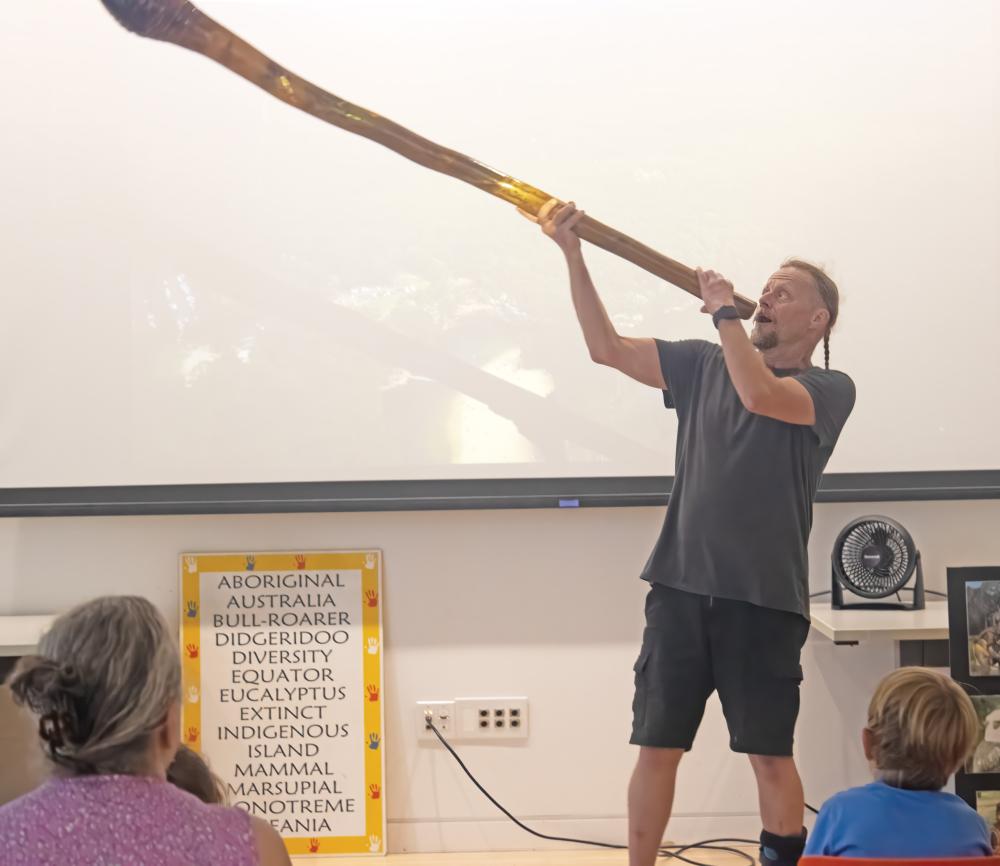 Rob Thomas plays a didgeridoo at the North Branch Library on Tuesday, Aug. 4. Photos by Abby Van Selous
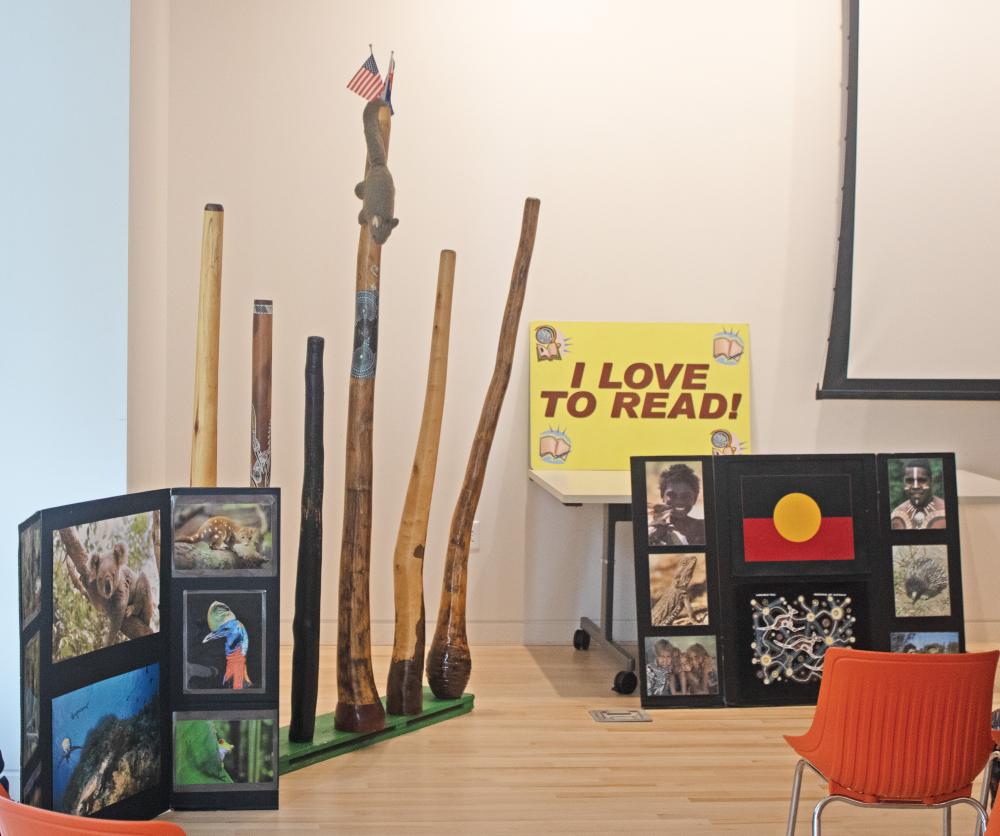 Some of the didgeridoos that Thomas crafted.
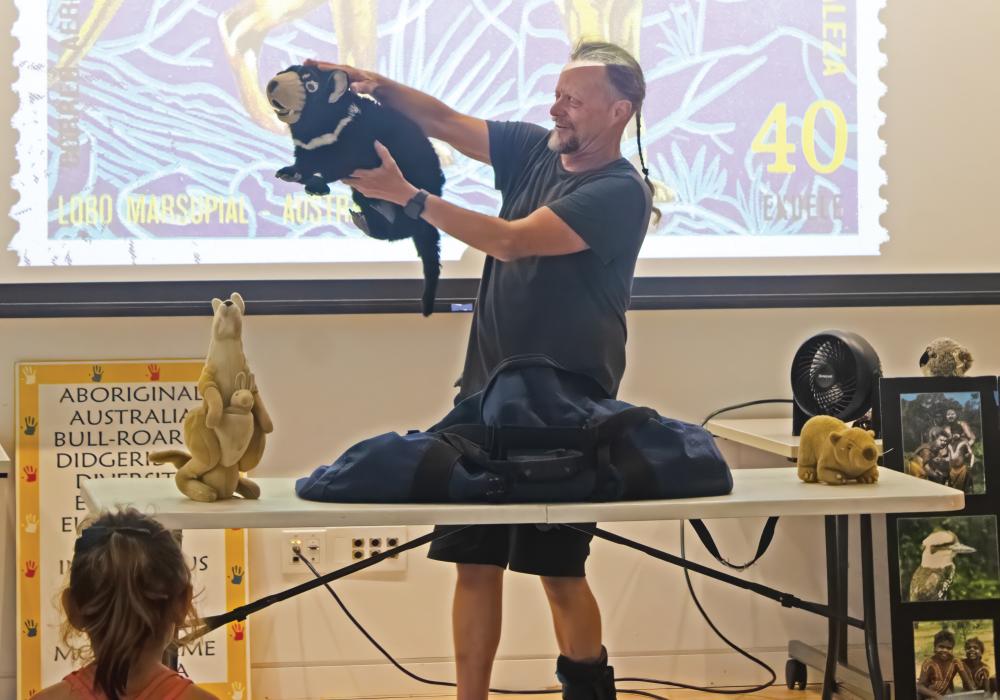 Thomas taught the kids about some of the animals that live in Australia.
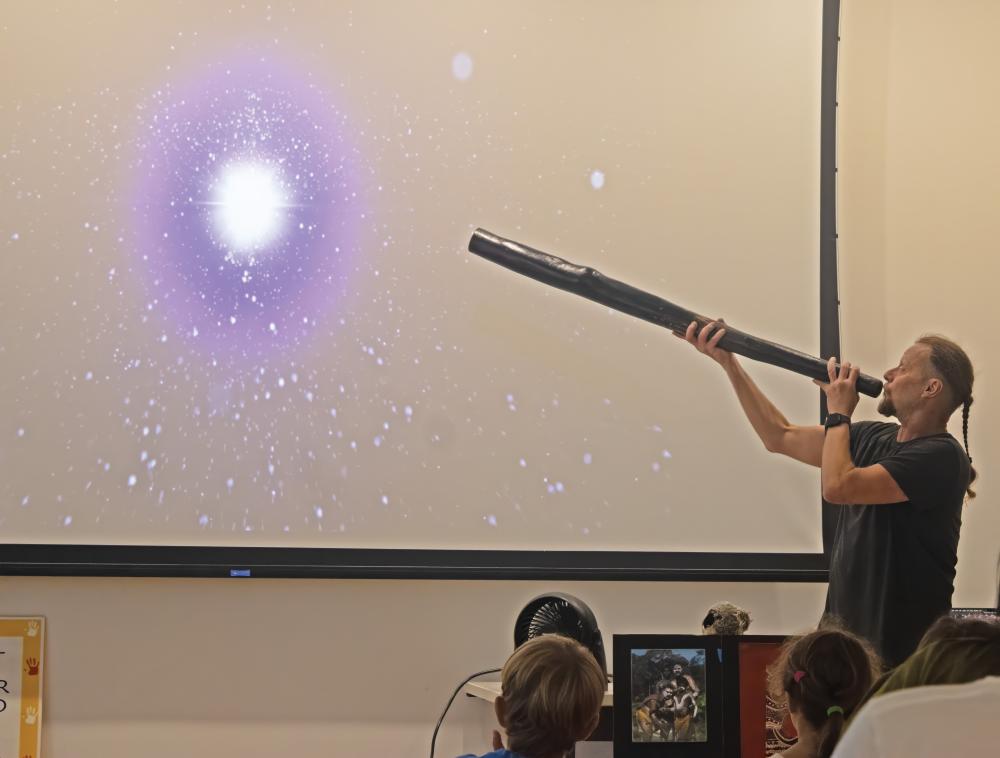 Thomas shows how the Milky Way came to be with termites from a didgeridoo.
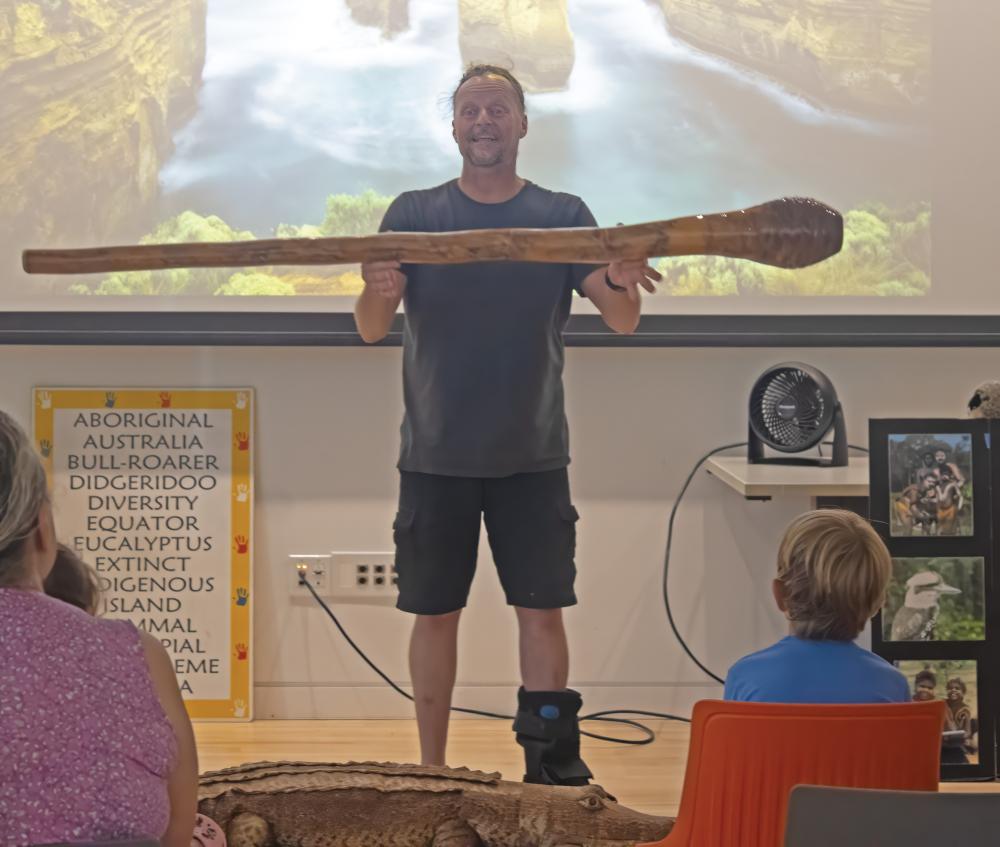 Thomas shows the audience one of the didgeridoos he made.
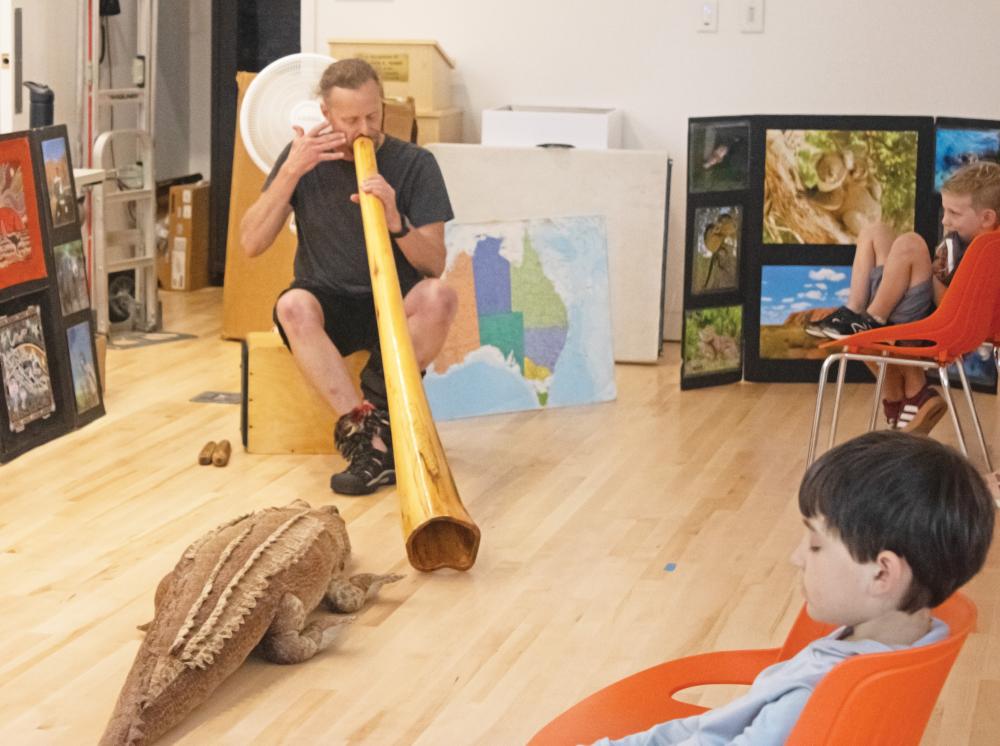 Thomas plays the didgeridoo as kids close their eyes to be immersed in the music.
Rob Thomas plays a didgeridoo at the North Branch Library on Tuesday, Aug. 4. Photos by Abby Van Selous
Some of the didgeridoos that Thomas crafted.
Thomas taught the kids about some of the animals that live in Australia.
Thomas shows how the Milky Way came to be with termites from a didgeridoo.
Thomas shows the audience one of the didgeridoos he made.
Thomas plays the didgeridoo as kids close their eyes to be immersed in the music.
Thomas plays the didgeridoo as kids close their eyes to be immersed in the music.
Rob Thomas plays a didgeridoo at the North Branch Library on Tuesday, Aug. 4. Photos by Abby Van Selous
Some of the didgeridoos that Thomas crafted.
Thomas taught the kids about some of the animals that live in Australia.
Thomas shows how the Milky Way came to be with termites from a didgeridoo.
Thomas shows the audience one of the didgeridoos he made.
Thomas plays the didgeridoo as kids close their eyes to be immersed in the music.
The sounds of Australian creatures filled the community room at the North Branch Library, though humans were the only animals in the room at the time.
An elephant’s trumpet, a whale’s hum, the jump of a kangaroo and sounds of the Australian bush funneled out into the room as Rob Thomas played a wind instrument called a didgeridoo.
Thomas, the didge evolution co-founder and performer at Didgeridoo Down Under, performed for kids and their families on Tuesday, Aug. 4, playing the didgeridoo and other traditional instruments and sharing pieces of Australian history.
Invented more than 1,500 years ago, the didgeridoo has been used by the Aboriginal Australians for centuries and are most often made out of a hollowed out eucalyptus tree trunk or branch.
During the show, kids played instruments alongside Thomas and danced to his music, at times acting like the animals represented in the songs.
“Many of the sounds you hear, they might sound like random noises, but they often represent the sounds of nature and animals,” Thomas said.
Thomas said that there are many mythical stories surrounding the didgeridoo, including one about the formation of the Milky Way.
He recounted the story, explaining how an Aboriginal man was looking for wood to start a fire when he came across a hollow eucalyptus log and saw that there were termites inside.
“He didn’t want to harm those white ants, so he held that log to the sky and blew,” Thomas said. “The white ants flew out of the log into the sky and formed the Milky Way.”
This story is partially representative of the way didgeridoos are created today, said Thomas, who has been crafting the instrument for over 30 years. To create one, people go out into the Australian bush to find a eucalyptus tree trunk that termites hollowed out.
Thomas noted that when a tree trunk is first pulled out of the ground, it looks a bit like honeycomb, which must be cleaned out.
He said people are “finishing the job originally started by nature and the termites.”
He noted that there’s nothing mechanical about a didgeridoo and that unlike most other wind instruments, it doesn’t have a reed.
“I am simply playing a piece of nature, literally a tree trunk with some beeswax on it for the mouthpiece,” Thomas said.