











Changes to composting regulations may be on the way
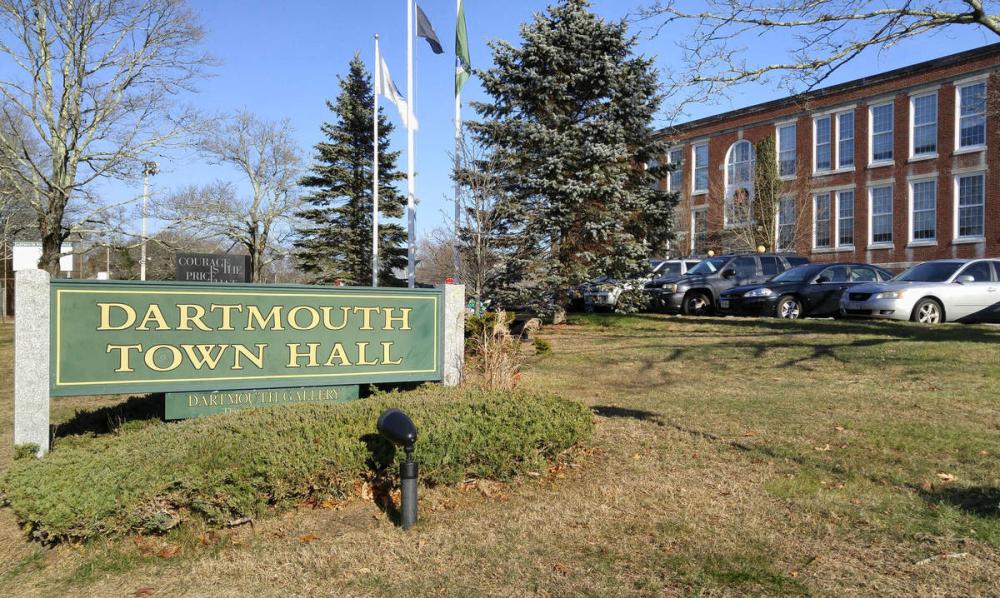
Fourteen months ago, in October 2024, Dartmouth submitted a petition to the Massachusetts Department of Environmental Protections to change the laws surrounding permitting and location laws for commercial composting facilities.
Commercial composting sites take organic waste from large companies, such as fish from New Bedford or cranberries. They then mix the waste with wood chips and keep it continually turning to decompose. The companies are then able to sell the compost turned fertilizer.
There are four or five commercial composting sites in town according to the Board of Health, although the exact number is unknown.
During a meeting with the Massachusetts Department of Environmental Protection on Monday, March 16, the MassDEP representative Gregg Cooper said that an updated regulation is being reviewed, which could be implemented in the fall.
“I thought Dartmouth got its point across,” Director of Public Health Chris Michaud said after the meeting.
The petition asked for changes to be made to the regulation to better support the health of both residents and environment in Dartmouth.
These include verification of engineered plans before a permit is granted for large scale composting, third party testing and monitoring wells. This is to prevent pollutants ending up in composting areas, such as plastic bottles that won’t break down.
In the petition, the town raised concerns about commercial composting, which include odors, unpermitted discharge of pollutants to the groundwater and surface waters, as well as fires and the emission of air pollutants and greenhouse gases.
“The town of Dartmouth is not opposed to composting, and we certainly understand the need and the benefits of it,” said Town Administrator Cody Haddad. “We just need to make sure that it's regulated for the safety of our community.”
There was a combination of nitrogen and phosphorus being produced by the landfill, that the ratios of each were incorrect and causing environmental problems like contaminating runoff, over-fertilizing plants and water temperature issues from discoloration.
When mixed correctly, compost should not emit odors.
One of the points raised by Cooper is that the amount of organics composted has gone down in the past decade, but Michaud felt they are incorrect with this finding.
“I don’t buy that composting is vastly diminishing in Massachusetts,” Michaud said. “Yes, we are maybe seeing fewer sites, but there’s a lot of material going in there.”
He stated that in the last year, they received 1,000 tons of organics from a fish hauler, and 2,500 tons of cranberries from another.
Michaud also said that the state should be treating composting more like the landfills, with continuous random testing.
Another issue raised is the fact that unless filed annually, a petition to be a commercial composting site becomes “inactive.” However, there is no monitoring to check whether the site is active or not, which could lead to inactive sites being mislabeled as active.
As of eight years ago, the tipping fee was $30 a ton, but Michaud said he has been unable to get an updated number. A tipping fee is how much a company pays per ton of organic waste dumped at a composting facility. Now, with a permit, people can dump up to 50,000 cubic yards, which costs the town an estimated $1.5 million a year.
Michaud wants to see the tipping fees raised as well as the harsher policing of whether the organics are having a negative impact on the residents or the environment.